Tachibana orange Coloring Pages
 ~
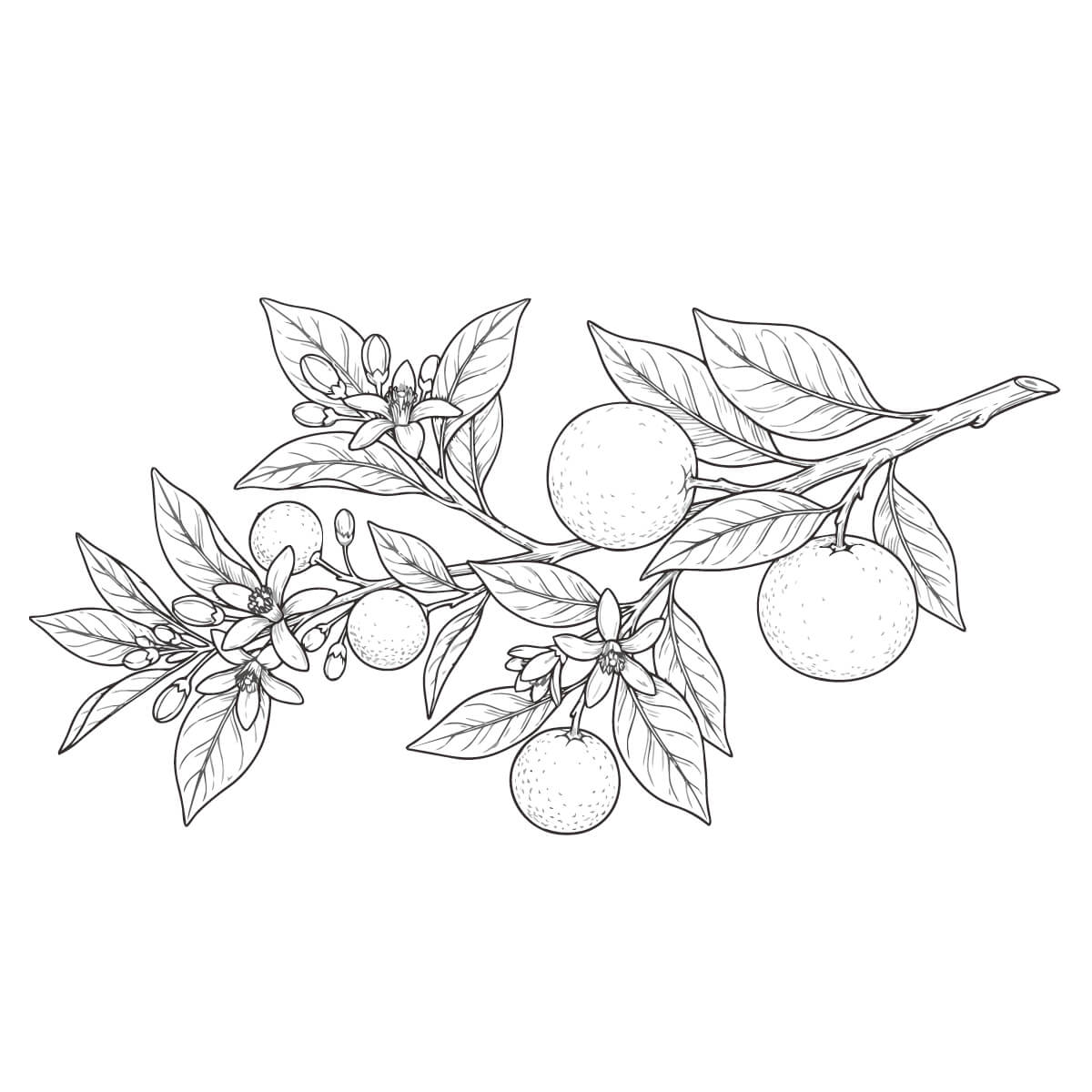
~ 
About Tachibana orange
A Special Mandarin Fruit from Long Ago! Tachibana orange
The Tachibana orange is a fruit from Japan that has grown naturally here since ancient times. It is special to Japan! It is different from the regular satsuma mandarins we usually eat. It is very small and tastes super sour. But its leaves stay green all year round. Long ago, people loved it as a symbol of life that never dies.
Look and History of the Tachibana orange
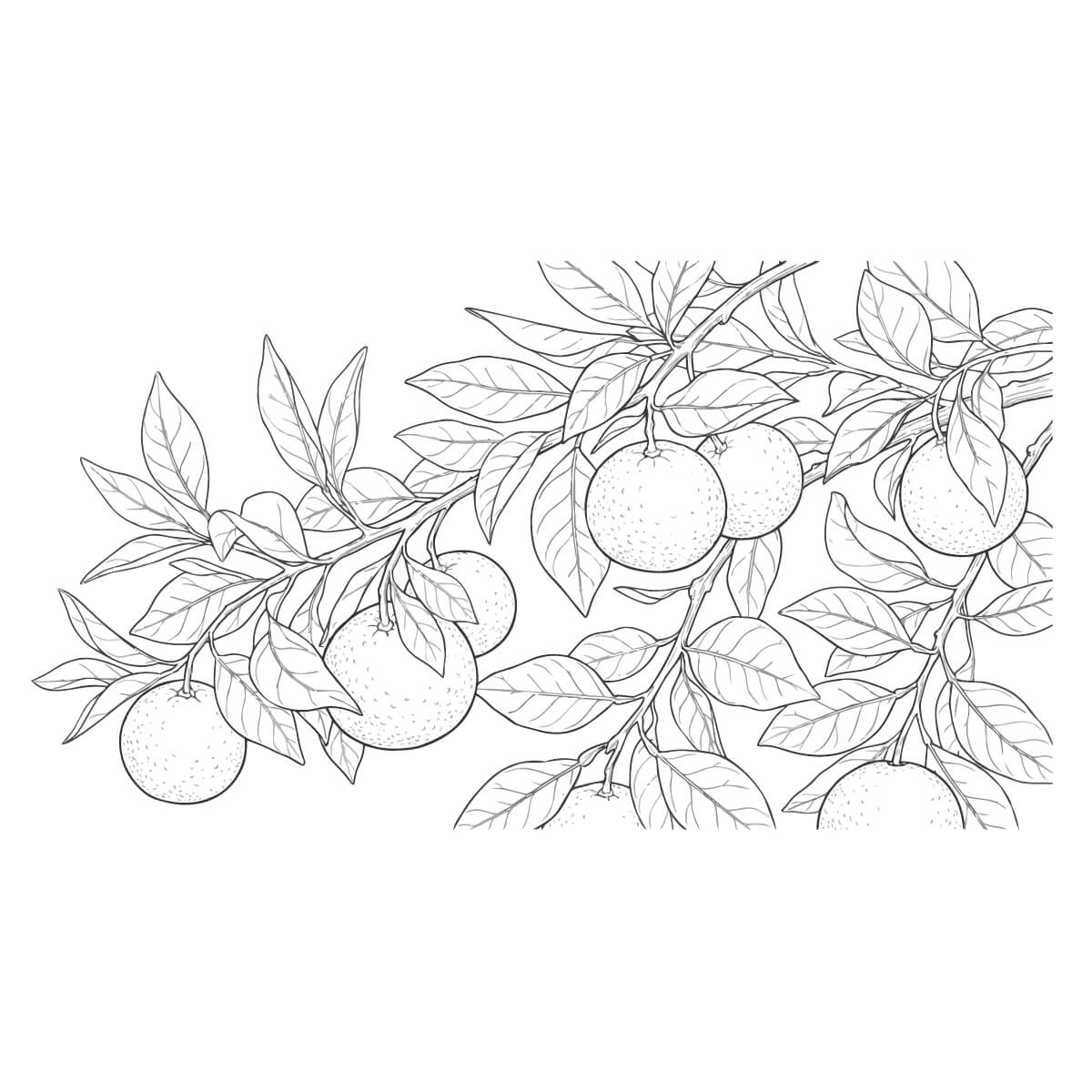
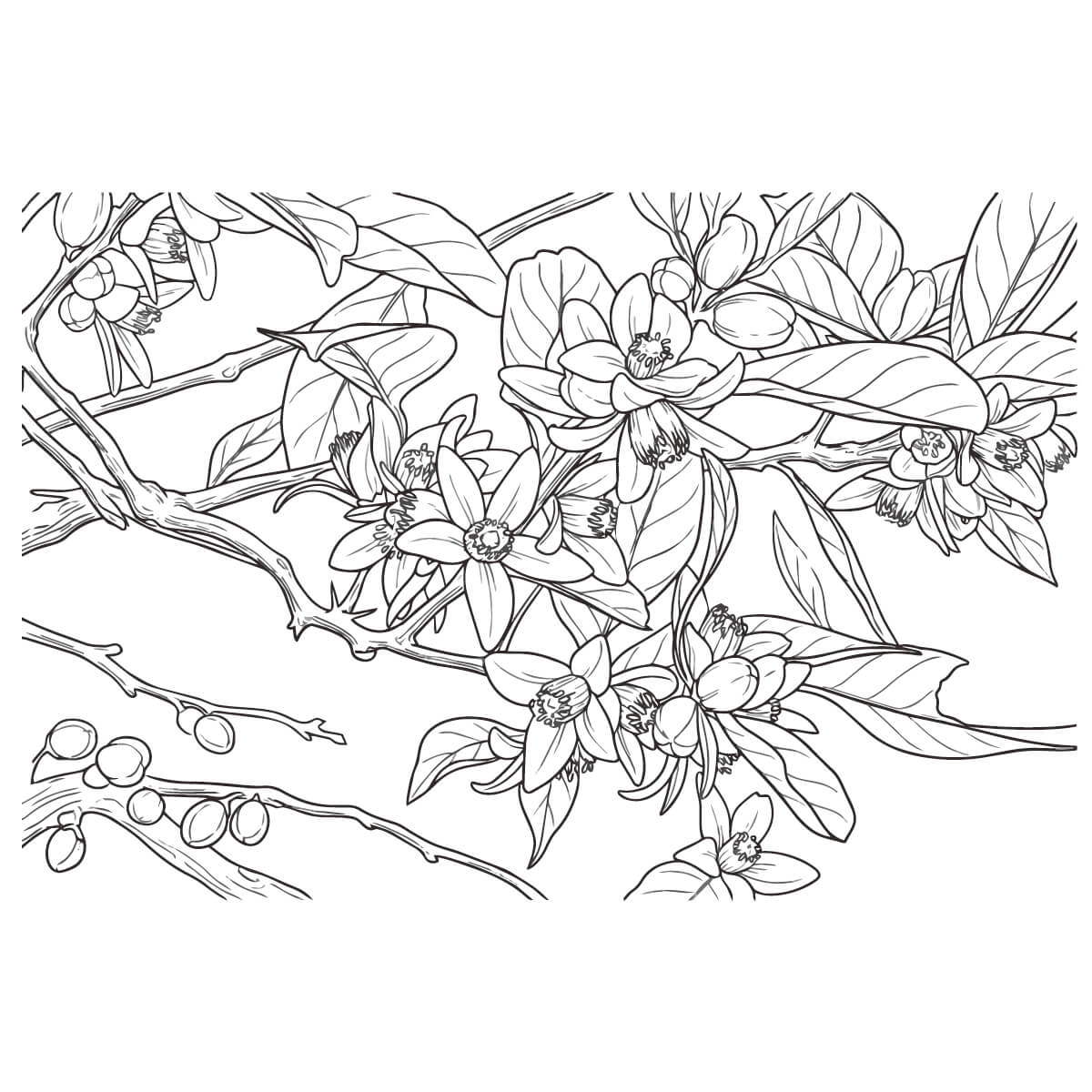
In early summer, the Tachibana orange grows cute, bright white flowers. In winter, it grows small yellow fruits. Its history is very old. It even appears in ancient Japanese storybooks like the "Kojiki" and "Nihon Shoki". Long ago, people believed that eating this fruit would keep you healthy and help you live forever.
- Fruit Size: It is about 3 centimeters wide. That is smaller than a ping-pong ball!
- Taste and Smell: It is very sour and has a lot of seeds. But it smells super fresh and nice!
- Leaf Secret: It is an evergreen tree. That means its leaves do not fall off, even in winter.
Ukon Tachibana orange
At the Imperial Palace in Kyoto (where the Emperor lived long ago), trees are planted by the stairs. A Tachibana orange is on the right, and a cherry blossom tree is on the left. People say the Tachibana orange shows "staying the same forever," and the cherry blossom tree shows "new life."
Why are Cherry Blossoms and the Tachibana orange Side by Side?
Hina dolls are set up with "Sakon Cherry Blossoms" and "Ukon Tachibana orange" together, right?
- Cherry Blossoms: A symbol of pretty spring beauty that blooms bright.
- Tachibana orange: A symbol of everlasting life that never dies. Putting them side by side sends a wish: "May everyone stay pretty, healthy, and live a long time!"
Why is it Called "Ukon" (Right) When It Is on the Left of the Hina Dolls?
When you look at the Hina doll display, the Tachibana orange is on the left side, right? But there is a reason for this!
- It is on the "Right" from the Emperor's View: If you look from the Emperor doll's spot, the Tachibana orange is on his right side! In old Japan, people cared about the view from the main person's spot. That is why it is called "Ukon Tachibana orange" (Right-side Tachibana orange).
- It Copies the Palace in Kyoto: The doll setup looks just like the garden of the old palace in Kyoto. A real Tachibana orange tree is still planted in that exact same spot today!
How to Color Tachibana orange
When you color the Tachibana orange coloring page, try to show its lively power!
- Fruit color: Color the fruit a bright yellow or orange. If you mix in a little green, it will look like real fruit that is not fully ripe yet.
- Shiny leaves: The leaves are dark green, but if you leave white spots where the light hits them or layer on some yellow-green, they will look shiny and full of life.
- Tiny white flowers: When you color the flowers, leave the petals pure white and add a tiny dot of yellow right in the middle to make them look super cute.
- Strong branches: Layer brown and gray on the branches to make them look like a strong, sturdy tree.
Try adding a cool background and mood
Tachibana orange trees are often planted at shrines and old houses. If you draw Japanese-style buildings or a blue sky in the background, your art will look even more amazing. It could also be fun to show a little bit of snow on it for a winter scene!
Tips for enjoying your coloring page!
You do not have to stick to real colors. It is totally okay to color it however you like! How about making a glowing golden Tachibana orange? Using shiny pens on the fruit would look super cool too!
Fun Facts About Tachibana orange
Was it a potion for eternal youth and long life?!
Long, long ago, an Emperor ordered a man named Tajimamori to find a "mysterious fruit that never withers." They say Tajimamori spent 10 whole years bringing the fruit back from a far-off land. That is how the story of the Tachibana orange began!
It is shaped like a medal
In Japan, there is a special medal called the "Order of Culture." It is given to people who make wonderful inventions or master the arts. The shape of this medal is designed after the flowers and fruit of the Tachibana orange. Just like the Tachibana orange never loses its leaves all year round, it holds the wish that "culture will flourish forever, too."
It is connected to the god of sweets
Tajimamori, who brought back the Tachibana orange from a far-off land, is now worshiped as the "god of sweets." In the old days, people called fruit "kashi" (which now means sweets), so the Tachibana orange was thought to be one of the oldest sweets in Japan!
Share These Tachibana orange Coloring Pages


More Trees & Leaves Coloring Pages
-
Tachibana citrus tree leaves and fruit
-
Tachibana orange tree (leaves, fruit, flowers)
-
-
Tachibana citrus tree leaves and flowers
-