Asari clam Coloring Pages
 ~
~ 
About Asari clam
A Master of Hiding Patterns in the Sand! The Asari Clam
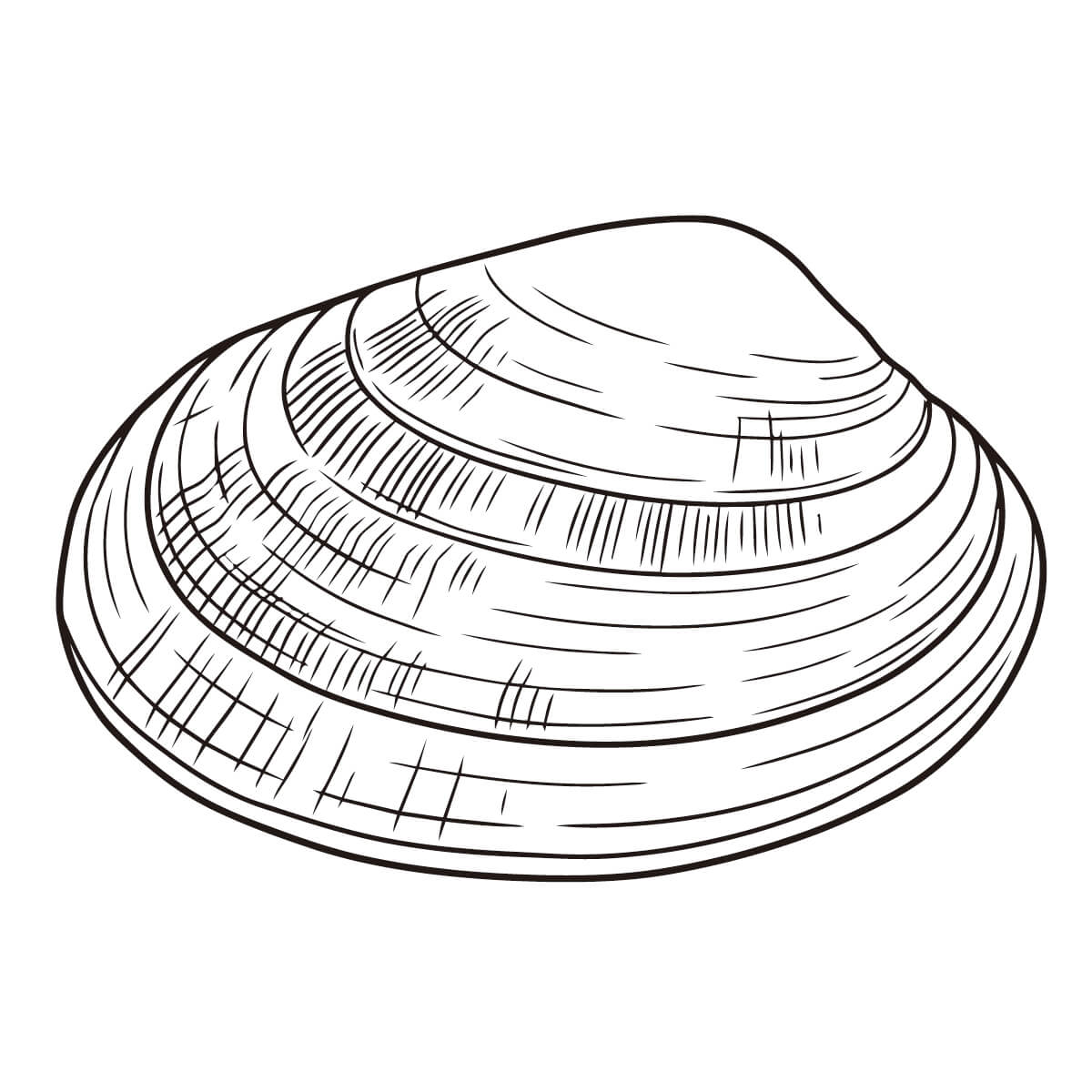
The Asari clam is a clam that hides in the sand by the sea. It is very familiar to us, and you can find it when you go clam digging. It burrows in the sand and cleans the ocean water. It is a very hard worker! The shell feels rough with lines going across, and it has a cute, round shape.
Where the Asari Clam Lives
The Asari clam mainly lives in a place called a tidal flat. This is the area that appears when the tide goes out. It burrows deep into the sand or mud to protect itself from birds and fish.
- Water Filter: The Asari clam sucks in seawater to eat tiny living things called plankton. As it sucks in and squirts out water, it helps clean the ocean.
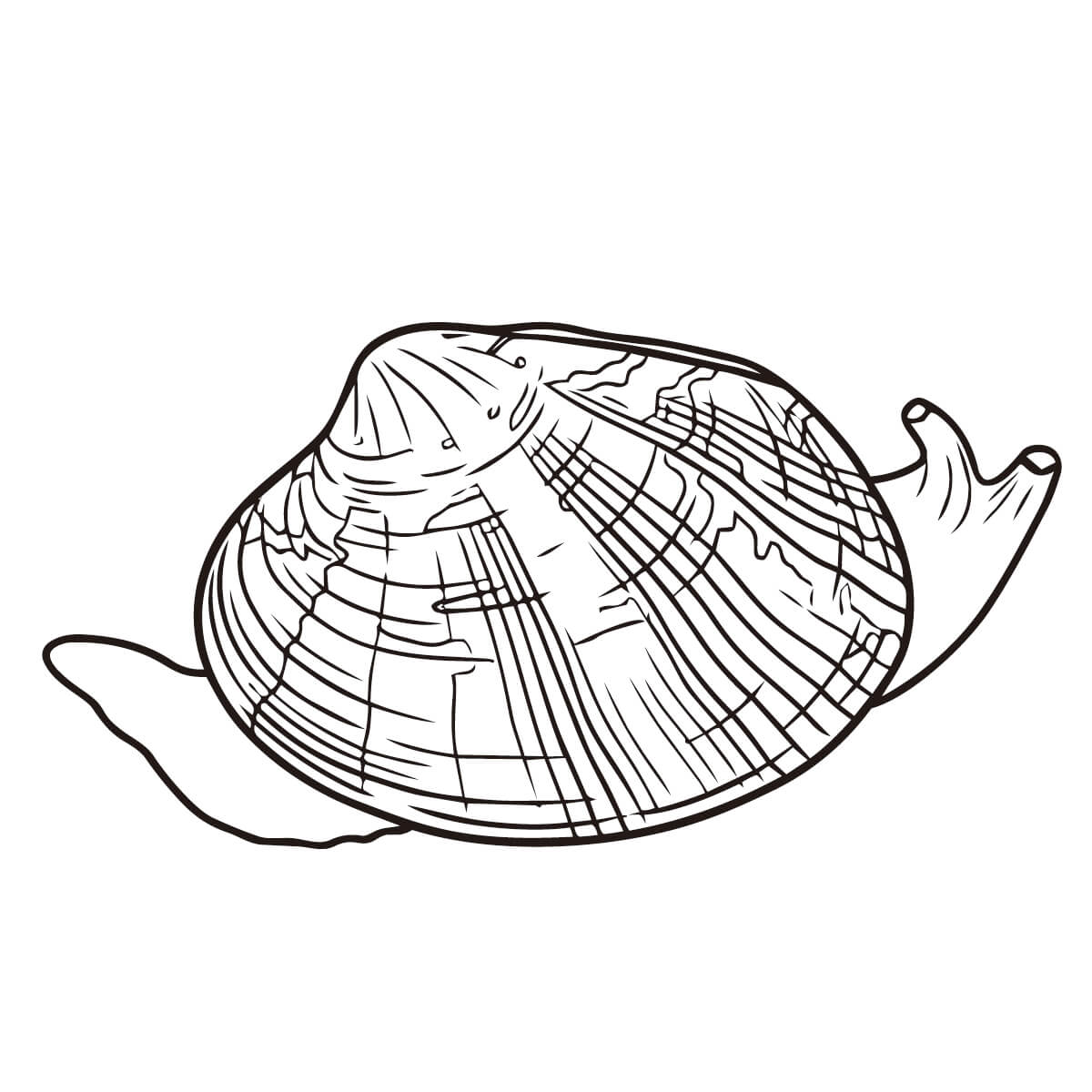
- Two Tubes: It sticks two long tubes up out of the sand so it can breathe while hiding. One tube sucks water in, and the other squirts water out.
- Secret to Moving: Believe it or not, the Asari clam uses a strong foot muscle to move around and dig into the sand!
The Secret of the Patterns
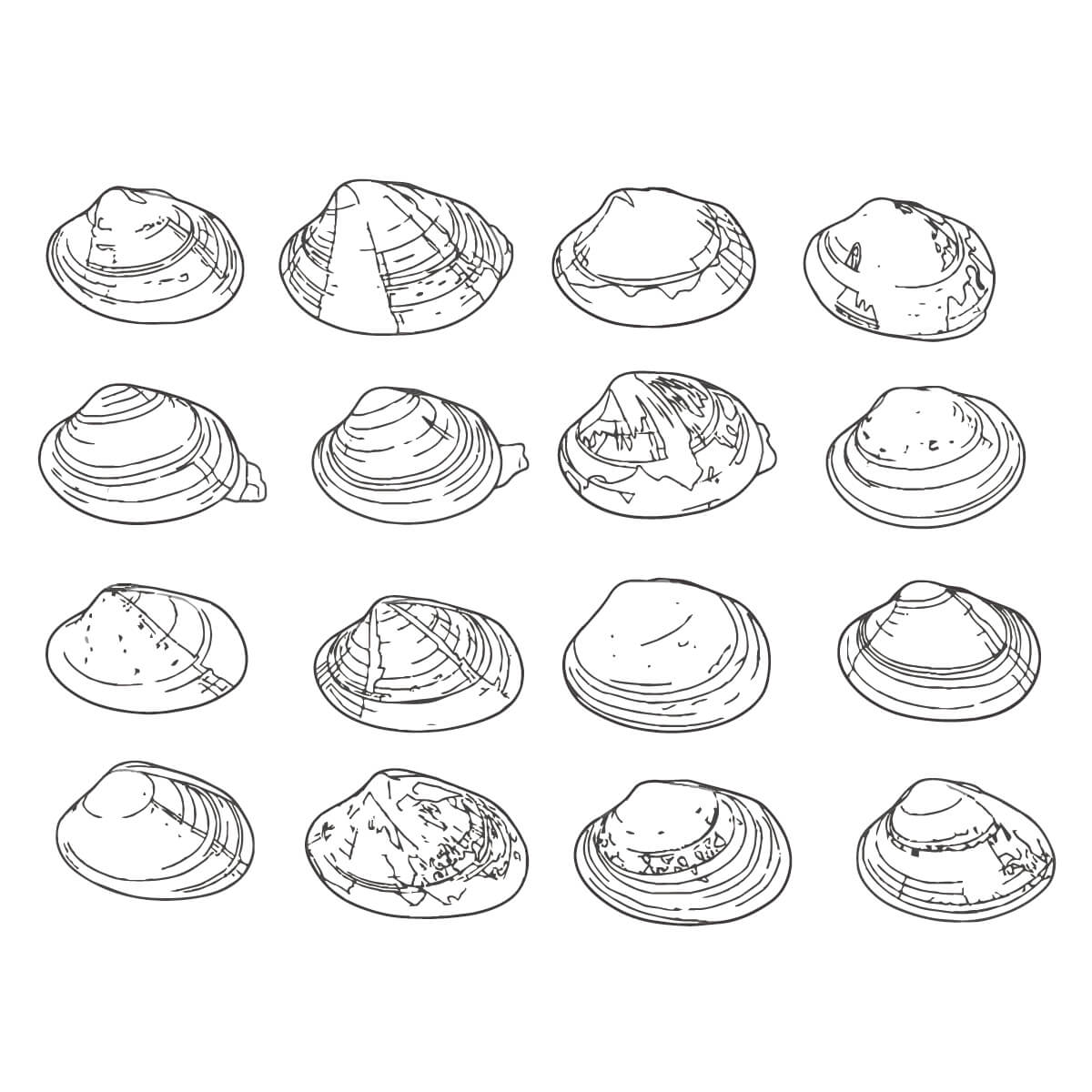
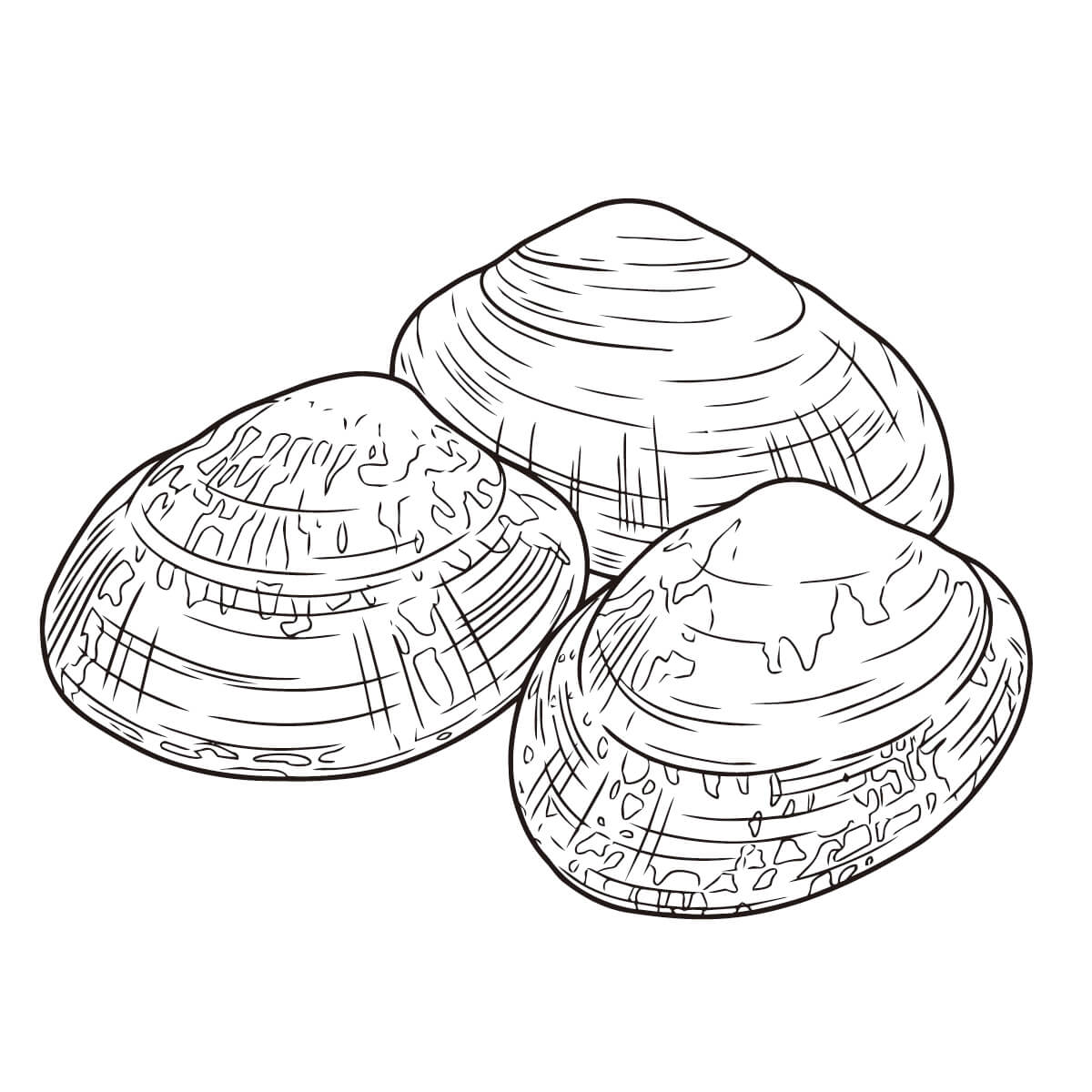
Asari clam shells have many different patterns. In fact, every single Asari clam has a different pattern! It is just like a human fingerprint. It is super hard to find two Asari clams with the exact same pattern! Some are whitish, some are brown, and some have cool shapes and designs.
Cleans Over 10 Liters of Water a Day
It has a tiny body, but one Asari clam pumps out 1 liter of water every hour. That is 24 liters a day! Many Asari clams work together to keep the ocean clean and shiny.
Babies Are Born in Spring and Autumn
You can see Asari clams all year long, but they have babies mostly twice a year in spring and autumn. When the water feels just right, they lay eggs in the sea. Newborn babies float gently in the water at first.
How to Color Asari clam
Tips for coloring the Asari clam
When you color the Asari clam coloring page, try to show off its cool patterns!
- A pattern made just for you: Every single Asari clam has a different pattern! Try drawing zigzag lines, dots, or stripes—whatever you like best. If you mix in brown, gray, and a little bit of purple, it will look super real.
- A bumpy texture: Hold your colored pencil up a bit and draw lots of tiny lines. This makes the shell look nice and bumpy!
- A sandy beach background: Try drawing your Asari clam peeking out from the sand. Color the sand light brown and the water light blue to make it feel like a fun day of clam digging!
Imagine the underwater world
You can also draw seaweed, neighbor crabs, or little fish in the background. Try drawing your Asari clam hiding in the sand, just like searching for treasure!
Fun Facts About Asari clam
Their patterns are decided by genetics
The mysterious patterns on an Asari clam are decided by genetics from their mother and father, as well as where they live. So, even if they live in the same place, they have different patterns depending on their family. One theory says this makes it harder for enemies to find them.
Their name comes from the word for "search"
People say the name "Asari" comes from the word "asaru," which means to push through the sand and search. They live in shallow water, and you can catch them easily if you search. Because of this, it is said they came to be called "Asari clam."
People have eaten them since long, long ago
In Japan, there are places called shell mounds where shells eaten by people long ago piled up. Many Asari clam shells have been found there, too. Asari clam has been a beloved food for Japanese people since the Jomon period.
Their natural enemy is the baby moon snail
Even if they hide in the sand, Asari clam has scary enemies. One is a sea snail called the baby moon snail. The baby moon snail uses acid to make a tiny hole in the shell of an Asari clam and eats the inside. If you find an Asari clam shell with a hole on the beach, it might be proof that a baby moon snail attacked it.
Share These Asari clam Coloring Pages


More Shells & Corals Coloring Pages
-
Clam (single)
-
Asari clam with its siphons extended
-
-
Asari Clams (Set of 3)
-
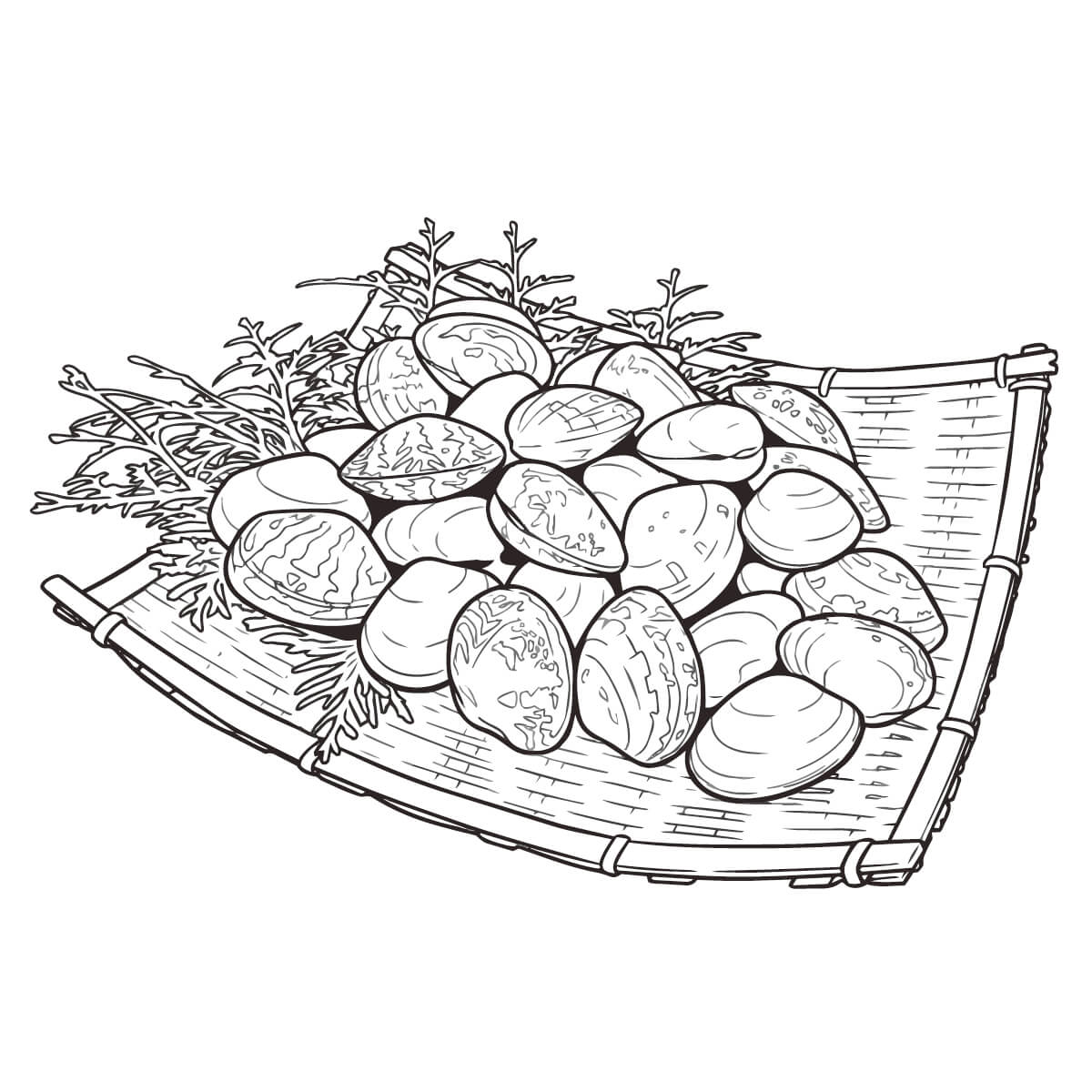
Clams served on a plate
-
-
Various Clams
-