Pale Grass Blue Coloring Pages

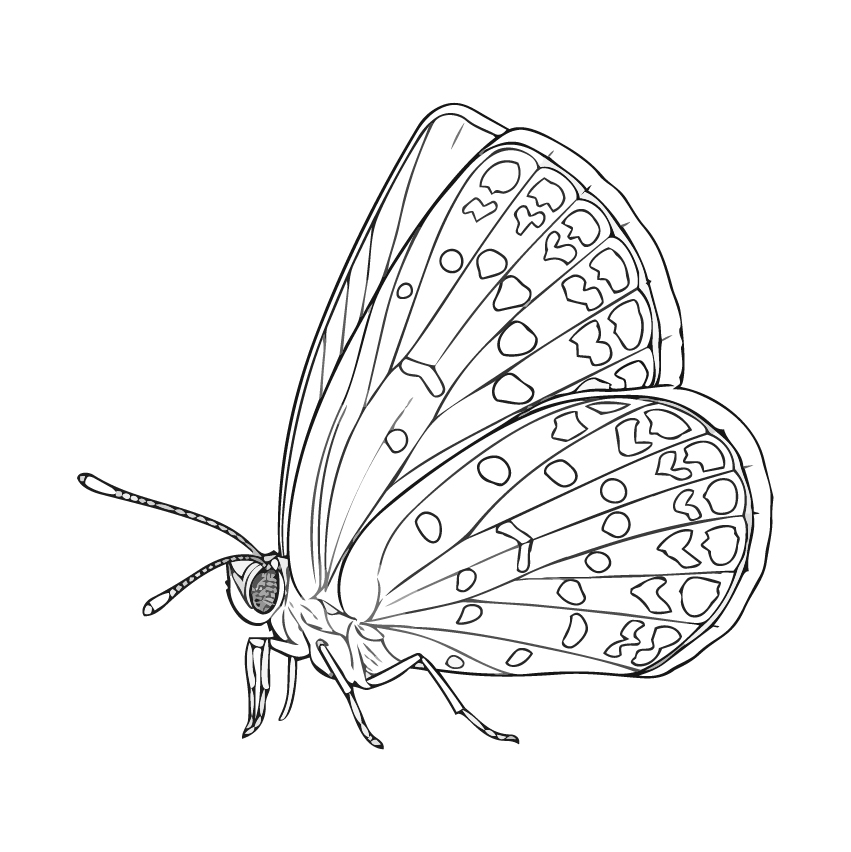
About Pale Grass Blue
Everyday Jewels! Pale Grass Blue
The Pale Grass Blue is a very tiny, cute butterfly that you can see most often all around us. They live everywhere, like city parks and roadsides, so you might have seen one before!
How It Got Its Japanese Name
The Japanese name for Pale Grass Blue has a lovely meaning behind it.
-
"Yamato" is an old name for Japan, showing that this butterfly represents Japan.
-
"Shijimi" comes from the shijimi clam. When the butterfly closes its wings, it looks just like the clam shell people put in miso soup!
English Name
In English, it is called the Pale Grass Blue. This name means "a pale blue butterfly in the grass," which describes how it looks very well!
Where Do They Live? (Homes)
Pale Grass Blue butterflies live in many places.
-
They love sunny grassy spots like parks, gardens, riverbanks, and roadsides.
-
They live right near people, so they are one of the easiest butterflies for you to watch.
When Can You See Them? (Seasons)
You can see them for a long time from spring to autumn.
-
They are active from around March to November.
-
They lay eggs many times a year, so you can meet lots of Pale Grass Blue butterflies in autumn.
-
In winter, they hide under dry leaves as caterpillars and quietly wait for spring.
What Do They Eat to Grow? (Food)
The Pale Grass Blue has special foods it likes to eat.
-
As caterpillars, they grow by eating only the leaves of the creeping woodsorrel plant. This is a small plant that grows everywhere with groups of three heart-shaped leaves.
-
When they become adult butterflies, they drink nectar from many flowers for energy.
Differences Between Boys and Girls
It is fun to pick if your Pale Grass Blue is a boy or a girl before you color your coloring page!
-
Boys: The top side of their wings is a light shiny blue, just like a gem!
-
Girls: They are darkish gray all over.
How to Color Pale Grass Blue
Color the Wings with Different Colors!
The best trick to make your Pale Grass Blue look real is to use different colors for the front and back of the wings.
-
When coloring a boy: Color the front of the wings in pretty light blue. Outline the wing edges just a bit with black or dark blue. This makes the wing shape stand out and look super cool.
-
When coloring a girl: Use dark gray or black as the main colors. Mix in a little bit of blue to give it a nice shiny color.
-
Back of the wings: When coloring a picture where the butterfly faces sideways, we recommend using pale gray or cream color for the base.
Draw the Tiny Patterns on the Back!
There are many tiny dots on the back of the wings.
-
Try coloring these dots carefully in deep black.
-
If you look closely, you can see a tiny white border around the dots. Sharpen your colored pencil and color while leaving white rings. Your picture will look real right away!
Make the Body Look Fluffy!
Take a close look at the butterfly's body.
-
The body has a little bit of fine hair growing on it.
-
Color by drawing many short lines over each other. It gives a soft feel and makes the butterfly look alive!
Draw Favorite Wood Sorrel Leaves in the Background!
Try drawing wood sorrel leaves around the Pale Grass Blue. Caterpillars love to eat them!
-
Put three heart shapes together to draw wood sorrel easily.
-
Color the leaves bright green. It makes the blue and gray of the Pale Grass Blue pop out. You will get a wonderful picture!
Fun Facts About Pale Grass Blue
Does It Look Like a "Clam"?
The Pale Grass Blue gets its Japanese name, "Shijimi," because when it folds its wings and stops, its rounded shape looks like a "shijimi clam"—the kind you often find in miso soup. If you find one resting by the roadside, compare its shape to a real clam!
Males and Females Have Different Wing Colors
If you look closely at the top of their wings, the males are a shiny, pretty "light blue," while the females are a calm, "darkish brown." When they spread their wings to sunbathe, it is your chance to guess which color they are!
Cute Polka Dots on the Underside of Their Wings
The underside of their wings (the outside you see when closed) features bright gray with many "black spots (polka dots)." Thanks to this pattern, when they rest on grass or rocks, they blend right in with their surroundings so enemy birds cannot find them easily.
The Caterpillars Are Great Friends with Ants!
Pale Grass Blue caterpillars have a mysterious power to squeeze sweet nectar from their backs to call "ants." In exchange for giving the ants delicious nectar, the ants protect them from scary enemies like ladybugs. They grow up by helping each other!
Share These Pale Grass Blue Coloring Pages


More Butterflies & Moths Coloring Pages
-
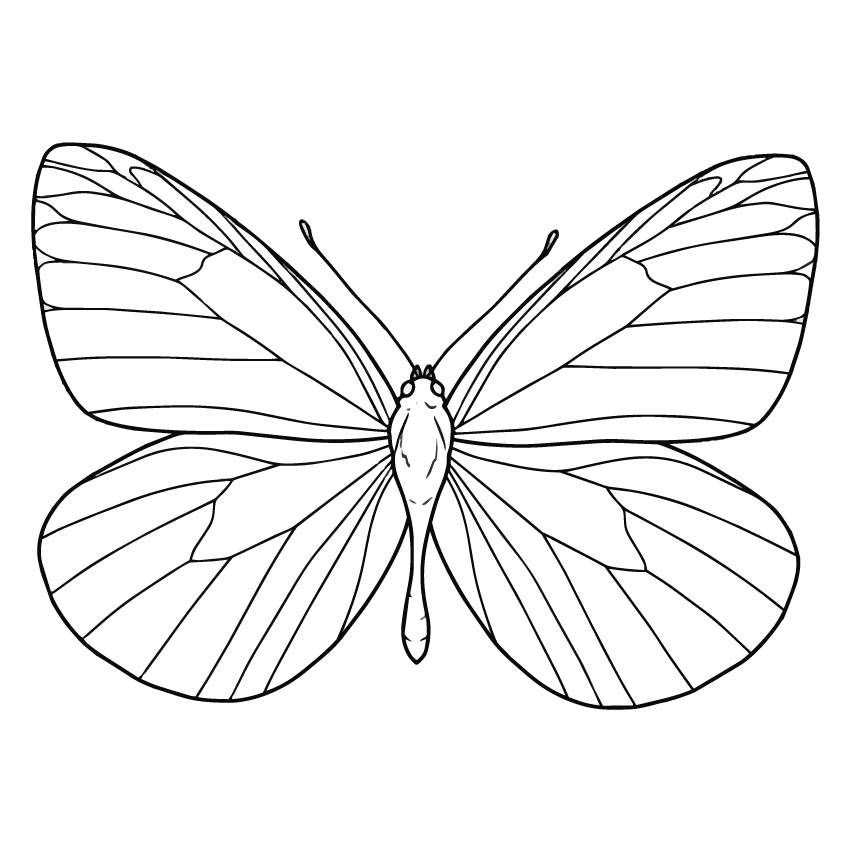
Pale grass blue
-
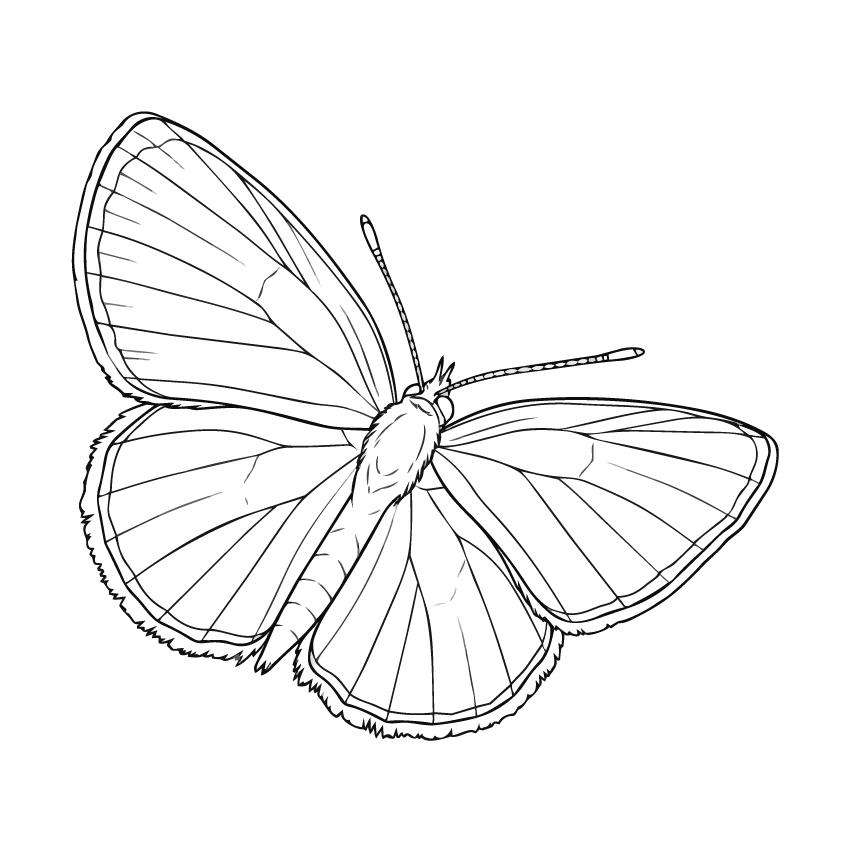
Pale Grass Blue Butterfly 2
-