Rosenberg's golden stag beetle Coloring Pages

About Rosenberg's golden stag beetle
Shining Golden! The Most Beautiful Stag Beetle Cousin in the World
The Rosenberg's golden stag beetle is one of the most beautiful and rare stag beetles in the world. Its whole body shines just like bright gold! Because of its amazing look, it is a big superstar that bug-loving kids and collectors all dream of seeing.
Where Its Name Comes From
People say the name "Rosenberg" comes from the person who first found and studied this beetle. Its Japanese name includes the words "golden demon." This is because it has a beautiful gold body and strong jaw pincers that look like a demon.
In English, it is called "Rosenberg’s golden stag beetle." Just like the name says, its golden shine is super famous all over the world!
Where Does It Live?
The Rosenberg's golden stag beetle does not live in Japan. It is a very rare bug that only lives on Java Island in Indonesia. On Java Island, it hides high up in cool, misty mountain jungles over 1,000 meters high. In Japan, you can sometimes see them at special pet shops that sell cool bugs from other countries.
When Can You See It?
It lives on Java Island, which is near the equator and warm all year. There are no four seasons there, but these bugs get super active during the dry season when it rains less. They are nocturnal bugs that move around at night in cool forests. They fly through the sky using the light from the moon and streetlights to find their way.
What Does It Eat to Grow Big?
-
Grown-up beetles: They love sweet tree sap from jungle trees and juice from ripe fruit like bananas. When you keep them at home, they will happily munch on yummy insect jelly filled with good nutrients.
-
Baby grubs: As babies in the dirt or old wood, they eat soft wood made by special mushrooms like turkey tail fungi. This special food helps them grow into cool adult beetles!
How Long Does It Live?
When adults first come out of the ground, they can live for about 8 months to 1 year if you keep them cool at around 22 to 24 degrees Celsius. In the wild jungle, birds and lizards might try to eat them. But for a stag beetle, they live a pretty long time!
Color-Changing Magic!
Just like the Grant's rhinoceros beetle and the Hercules beetle, the Rosenberg's golden stag beetle has a cool trick. It can change its color when the air gets wet!
-
When it is dry: When its body is nice and dry, it shines with a bright golden color that everyone loves.
-
When it is wet: When it rains or gets foggy, its body soaks up water. Then it changes into a dark black or deep olive green! This clever trick helps it hide on wet tree trunks so enemies cannot find it.
Big Jaw Pincers with 3 Tips
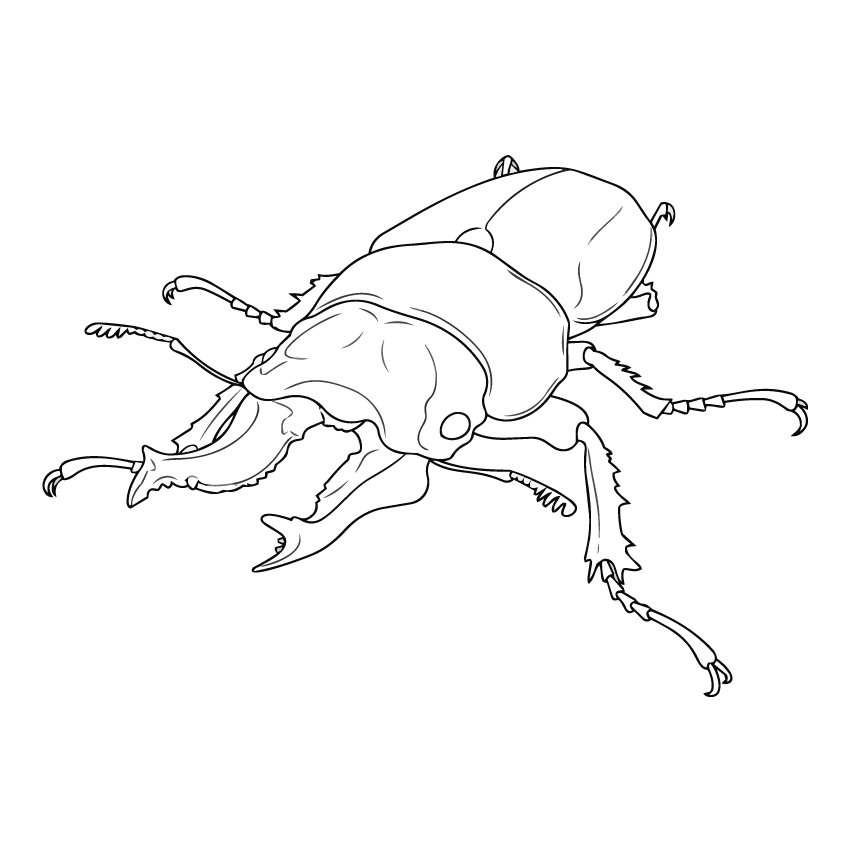
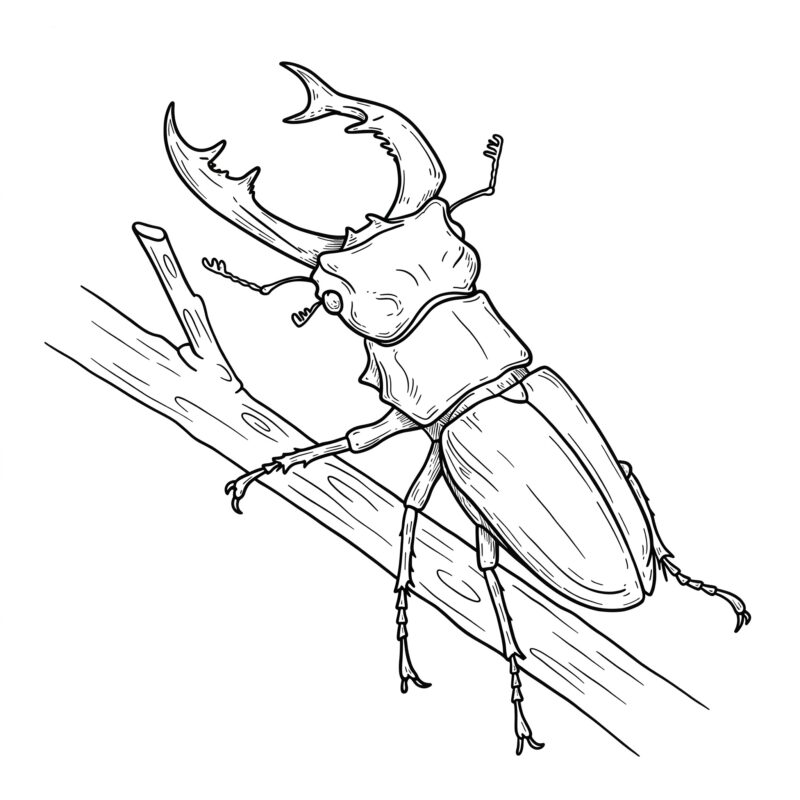
The male beetle has big jaw pincers that look totally different from Japanese stag beetles. They bend sharply near the head, and the ends of the pincers split into 3 tips. They use these cool pincers to fight other bugs for sweet tree sap!
How to Color Rosenberg's golden stag beetle
Base tips for coloring a shiny gold body
Layer your colors gently to show off the shiny gold body. That is the coolest part of Rosenberg's golden stag beetle!
-
Base colors: First, try coloring the whole body lightly with bright yellow or lemon yellow.
-
Magic gold trick: Next, layer light brown or orange softly on the sides of its tummy and shadowy parts. Leaving some light areas helps it look deep and shiny, just like a real gold medal!
Try showing color changes from humidity
It is fun to show how Rosenberg's golden stag beetle changes color in your coloring page!
-
Misty jungle color: When damp, this beetle turns a darker color. You can color it olive green or bronze to look cool and powerful. Adding a bit of black where the wing covers meet makes it look even more real.
Make the cool jaws and head look 3D
Let's make the smooth metallic jaws and head look round and hard.
-
Tips of the giant jaws: Use dark brown or black to trace thin lines around the three-pronged tips and small bumpy teeth inside the jaws.
-
Head shapes: Lightly shade curved brown lines over the bumpy back of its head and the dented middle part. This makes it look super hard and shiny, just like a toy action figure!
Color a cool flying pose
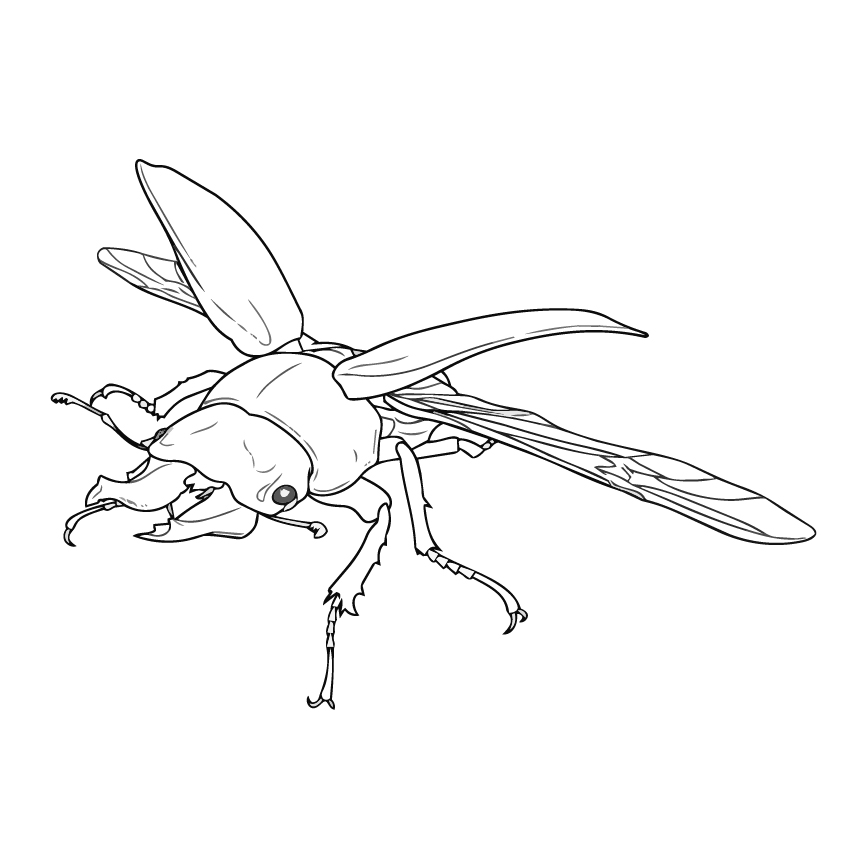
Here are tips for coloring Rosenberg's golden stag beetle flying through the sky with its wings open wide.
-
Hard wing covers vs. soft flying wings: Leave a tiny white spot on the hard golden wing covers on top. This makes them look shiny and bright in the light.
-
Clear flying wings: For the soft flying wings underneath, use a very light brown or gray. Carefully trace the wing lines with a darker brown. It will look fast and full of power, like you can almost hear it buzzing through the air!
Fun Facts About Rosenberg's golden stag beetle
Just like real gold! A shiny body
The coolest thing about Rosenberg's golden stag beetle is its dazzling golden body. Most stag beetles are black or brown. But Rosenberg's golden stag beetle looks super fancy, just like a robot made of real gold!
It changes colors like a chameleon!
This beautiful gold body changes color when the air gets wet. When it is dry, the beetle shines bright gold. But when it rains or gets humid, the body drinks in the water and turns pitch black!
Unique jagged jaws
The large jaws on its head look very different from Japanese stag beetles. They curve outward in a circle and have many saw-like spikes inside. Also, the tip of each jaw splits into three parts. That makes Rosenberg's golden stag beetle look so cool!
King of Java Island in Indonesia
There are a few types of golden stag beetles in the world. But Rosenberg's golden stag beetle only lives on Java Island. It is the biggest kind of golden stag beetle. Big ones can grow over 8 centimeters long!
Raising them used to be super hard!
You might see them in pet shops today. But long ago, Rosenberg's golden stag beetle was called the hardest stag beetle in the world to raise and lay eggs in Japan. Then, beetle lovers found a special way to use mushroom fungus (turkey tail) for food. Now, you can raise them at home too!
Share These Rosenberg's golden stag beetle Coloring Pages


More Beetles & Stag Beetles Coloring Pages
-
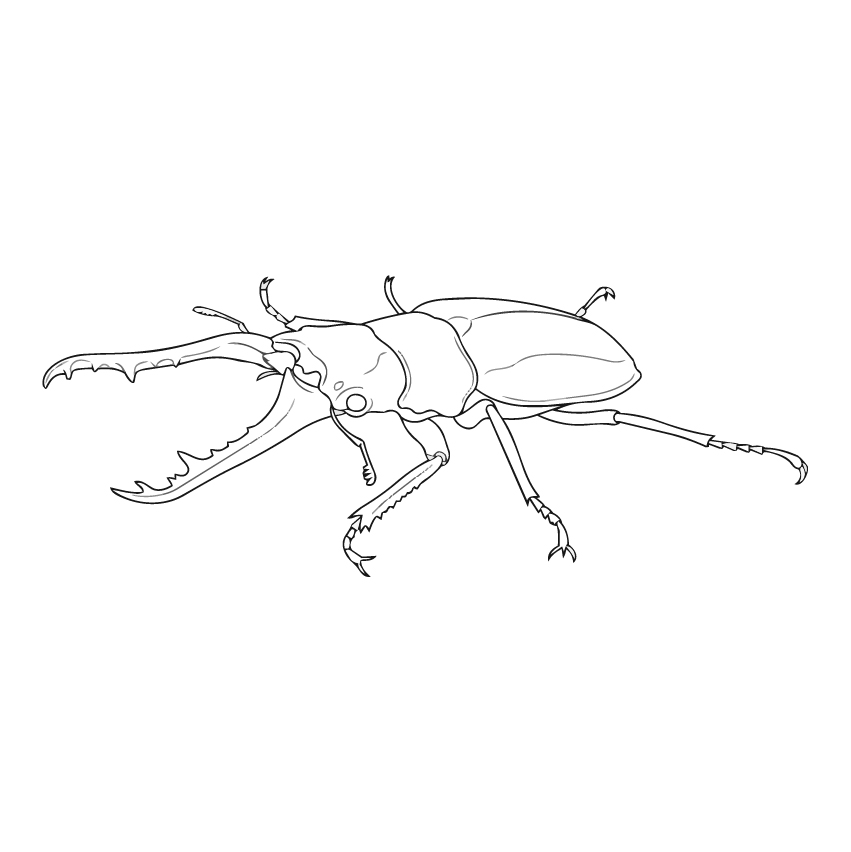
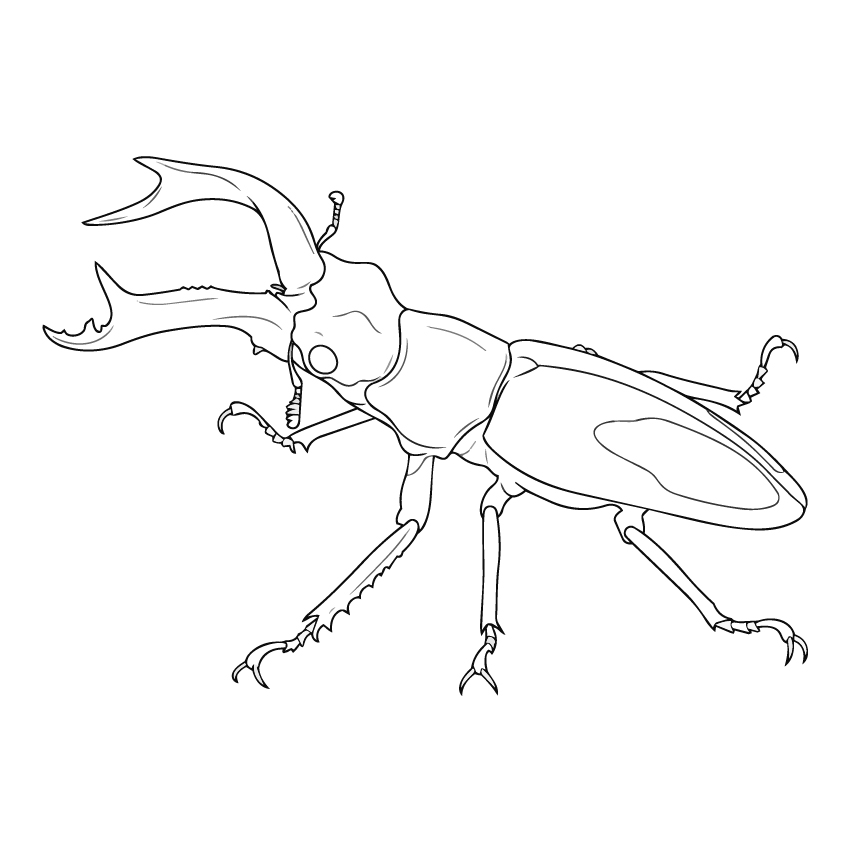
Rosenberg's Golden Stag Beetle
-
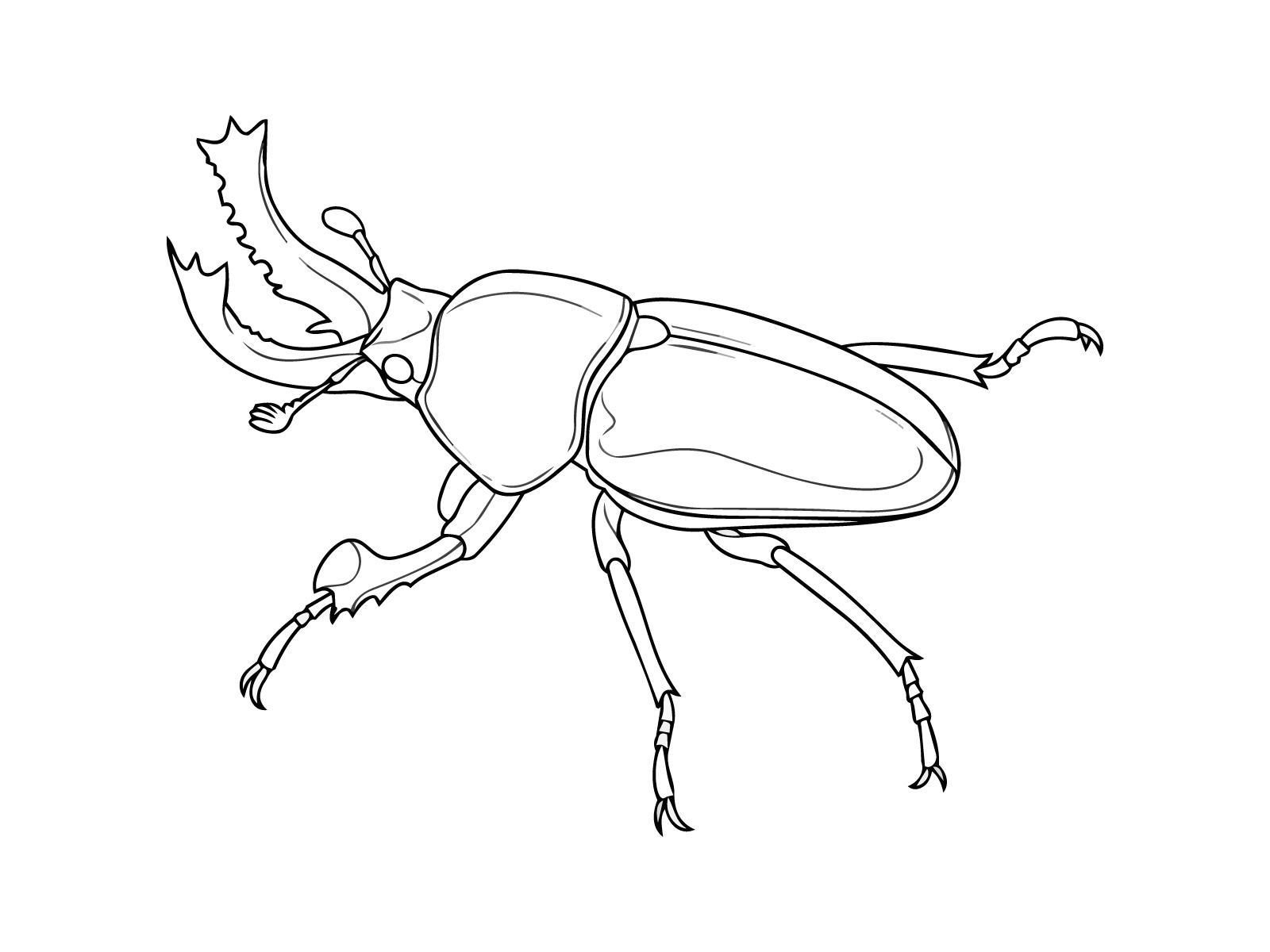
Rosenberg's Golden Stag Beetle 2
-