Japanese Giant Mantis Coloring Pages
 ~
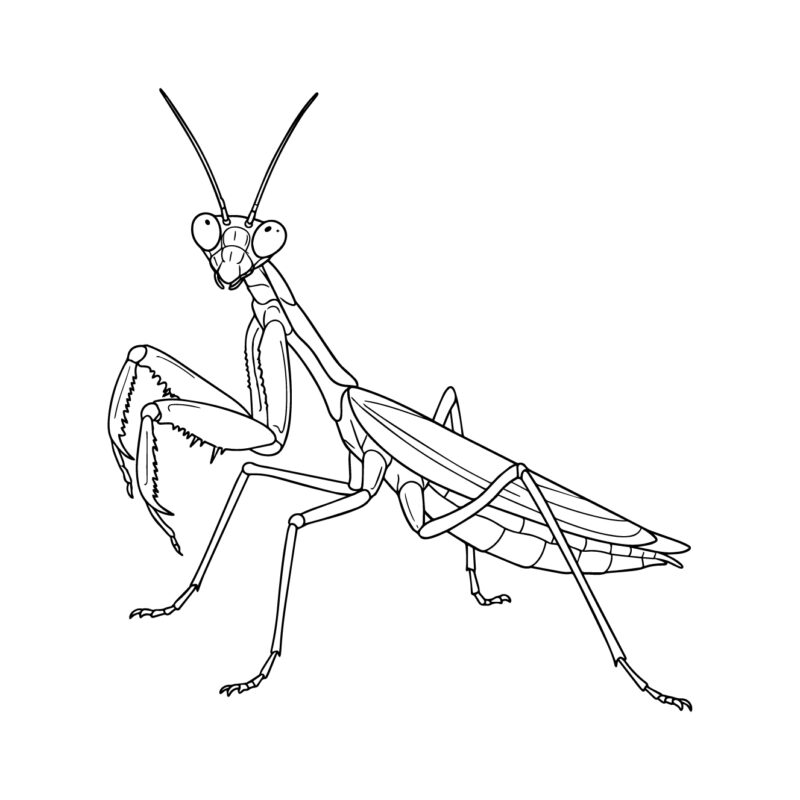
~ 
About Japanese Giant Mantis
A big green or brown hunter!
Just like its name says, the Japanese Giant Mantis is a mantis with a big and splendid body! Some Japanese Giant Mantis have green bodies, and others have brown bodies. This is so they can hide themselves by matching the color of the grass and tree leaves where they live. They are great at blending into their surroundings, just like a ninja!
How the Japanese Giant Mantis Got Its Name
A mantis has jagged front legs like a saw, shaping them just like a sickle. It was named "Mantis" in Japanese because it uses these sickle-like legs to catch its prey. In English, it is often called "Mantis" or "Praying Mantis." "Praying" means saying a prayer. People say it got this name because the way it holds its legs together looks just like it is praying!
What does the Japanese Giant Mantis eat?
The Japanese Giant Mantis is a meat-eating insect. It catches and eats insects smaller than itself, like grasshoppers, crickets, and butterflies. When the Japanese Giant Mantis finds its prey, it stays very still and waits. When the prey gets close, it grabs it quickly with its front legs. Its moves are just like a skilled hunter!
Where can you find them?
You can often find the Japanese Giant Mantis in grassy places, fields, and parks. They are often at the tips of tall grass and tree branches. They like places where there are lots of bugs to catch!
How does the Japanese Giant Mantis grow?
In autumn, female Japanese Giant Mantis lay eggs wrapped in a foam-like thing called an "egg case" on tree branches or walls. This egg case helps protect the eggs from the winter cold. When it gets warm in spring, lots of tiny baby Japanese Giant Mantis (nymphs) hatch from the eggs. The nymphs shed their skin many times, growing bigger little by little until they become adults!
Differences between males and females
Male Japanese Giant Mantis are a little smaller than females, have longer wings, and can fly really well. Females have big bodies and round tummies. Their tummies get big so they can lay lots of eggs.
How long do they live?
In nature, they live for about a few months after becoming adults. You can often see them from late summer to autumn, and they stay active until the cold winter comes.
How to Color Japanese Giant Mantis
How to Choose Colors: Pick colors that blend into nature!
- Basic body colors: Japanese Giant Mantis is usually either green or brown. Pick the one you like best and start coloring!
- If you pick green: Use dark green or yellow-green. This makes it look like it is hiding among the leaves.
- If you pick brown: Use dark brown or light brown. This makes it look like it is resting on dead grass or tree branches.
- You can make it look more real if you change how dark or light the color is on different parts of the body.
- Eye color: The eyes of Japanese Giant Mantis are big and round. If you color them black or dark brown, it will look like it is watching its prey closely.
- Scythe colors: The scythes can be the same color as the body! Color the jagged edges a little darker to make them look extra cool and powerful.
How to Make it Look 3D: Think about "shadows" and "light"!
The body of Japanese Giant Mantis is thin and long, but its scythes and chest are thick and strong.
- Where shadows fall: Try using a darker color on sunken body parts, the inside of the scythes, and where the legs meet the body. This shows off its round body shape and sharp scythes.
- Where light hits: For places that catch the light, like its back or raised body parts, use a lighter color. You can also layer a pale color over your main color to make it look even more 3D.
Color the Small Parts Carefully!
Japanese Giant Mantis has many small parts, like thin legs, jagged scythes, and long feelers.
- If you use colored pencils and color carefully inside the lines, your whole picture will look neat and amazing.
- To make the wings look a bit see-through, color them lightly or try layering different colors!
Tips to Enjoy Your Coloring Page!
- Add a background!: Imagine where your Japanese Giant Mantis is and draw a picture behind it. Is it hunting for prey in the tall grass? Or is it taking a rest near some flowers? Drawing grass, leaves, and the sky will bring your picture to life!
- Express yourself freely!: You do not have to use real colors. It is fun to color it any way you want! Just ask yourself, "What kind of cool mantis would I like to see?" A magical, fantasy-colored mantis sounds wonderful too!
Fun Facts About Japanese Giant Mantis
Is its big, proud scythe actually not a pair of scissors?
The weapon of the Japanese Giant Mantis is, of course, its big scythes! But these are not scissors for cutting. They are tools to grab prey super tightly! There are lots of sharp spikes inside the scythes, so once it grabs something, it will never let go!
The only insect that can do this! An amazing neck that can look around
Regular insects cannot move their heads, but the mantis can move its neck freely! That means it can even look behind itself without moving its body. It looks all around to see if there is any prey or an enemy!
Share These Japanese Giant Mantis Coloring Pages


More Praying Mantises Coloring Pages
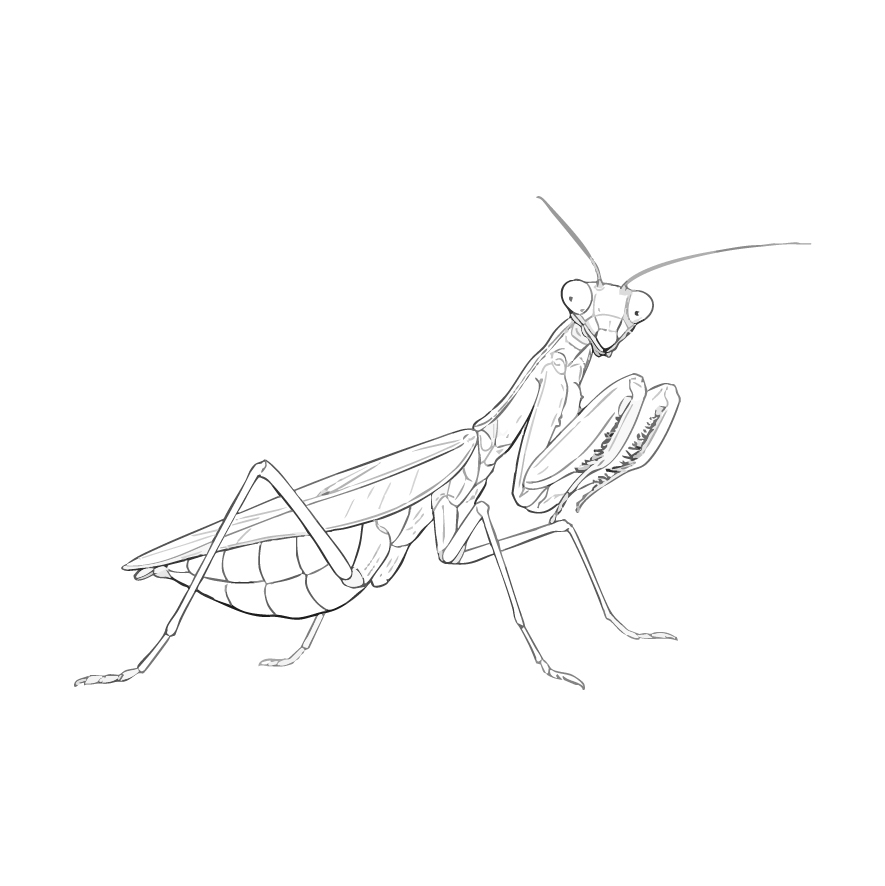
-
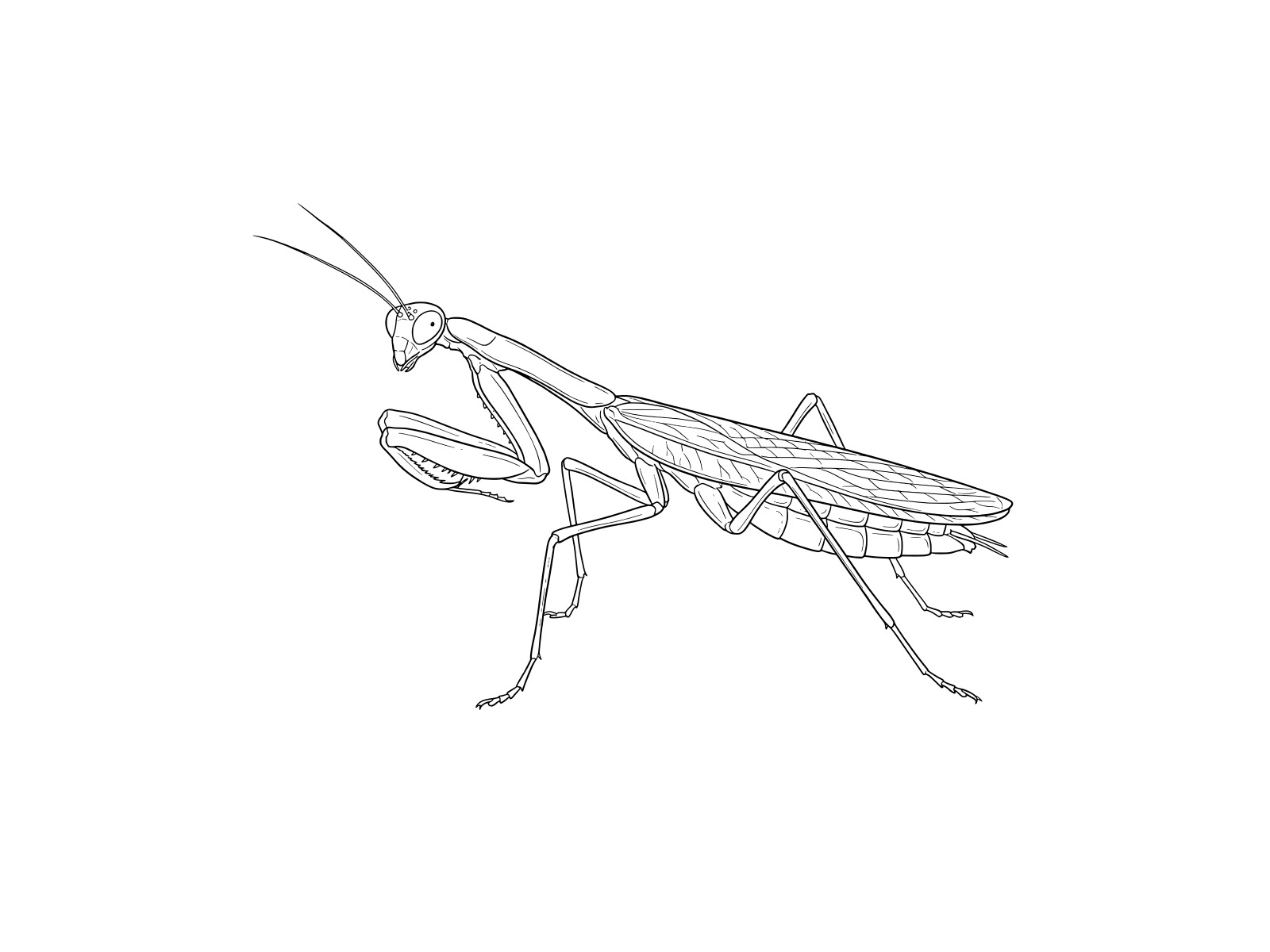
Japanese giant mantis
-
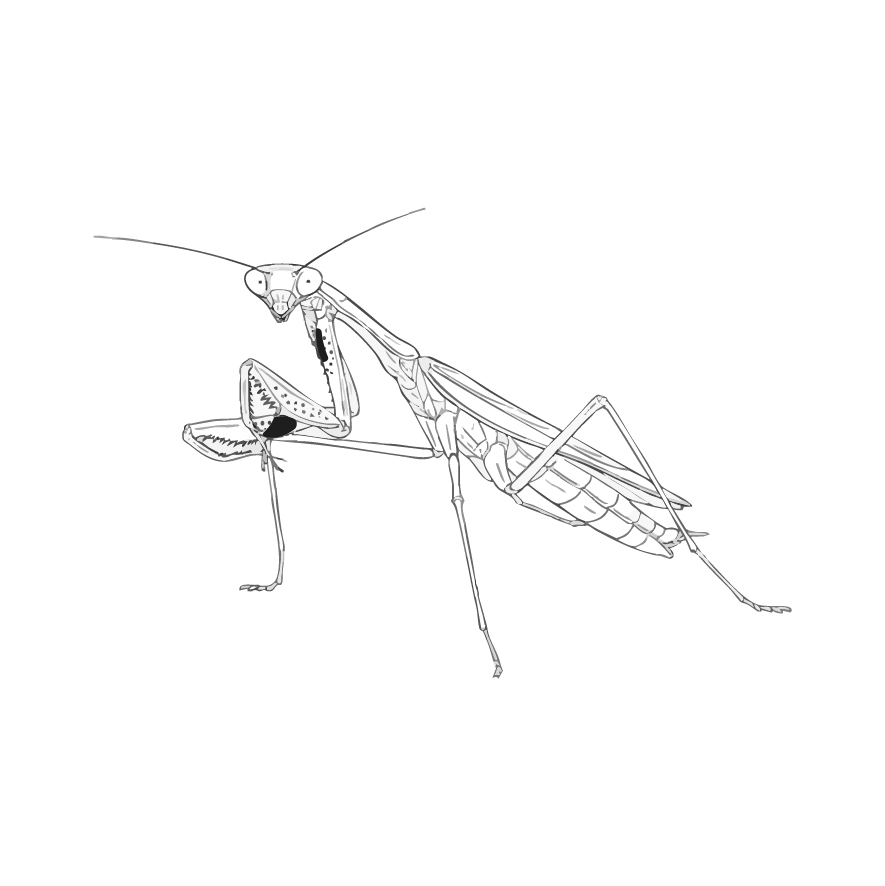
Japanese Giant Mantis 2
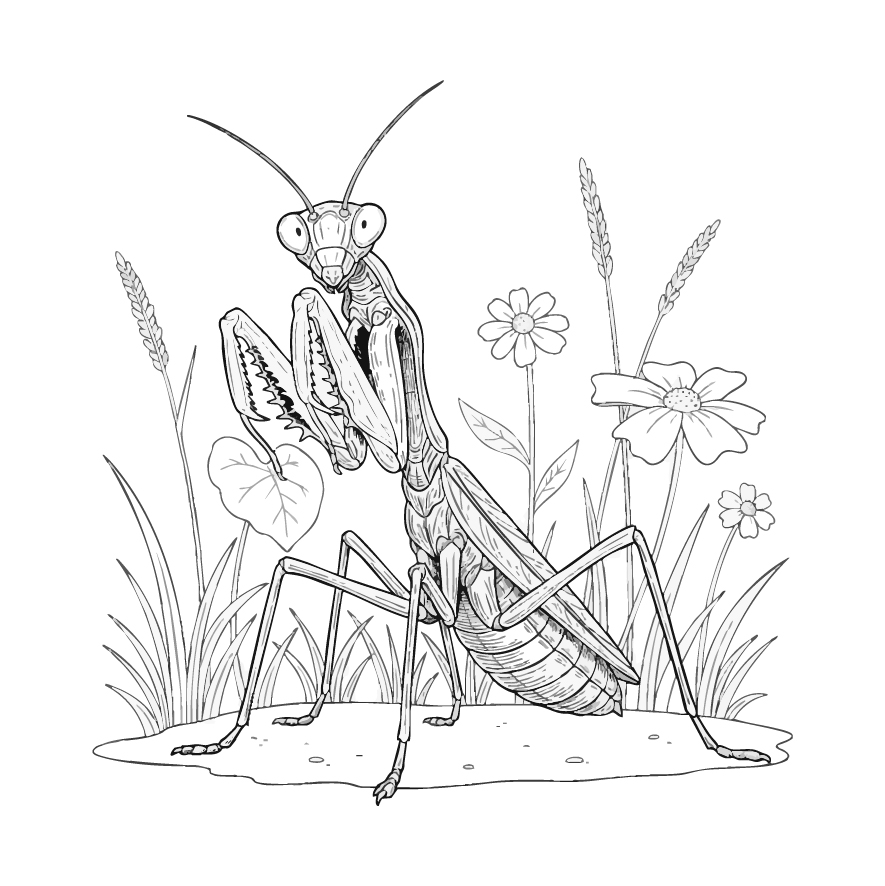
-
-
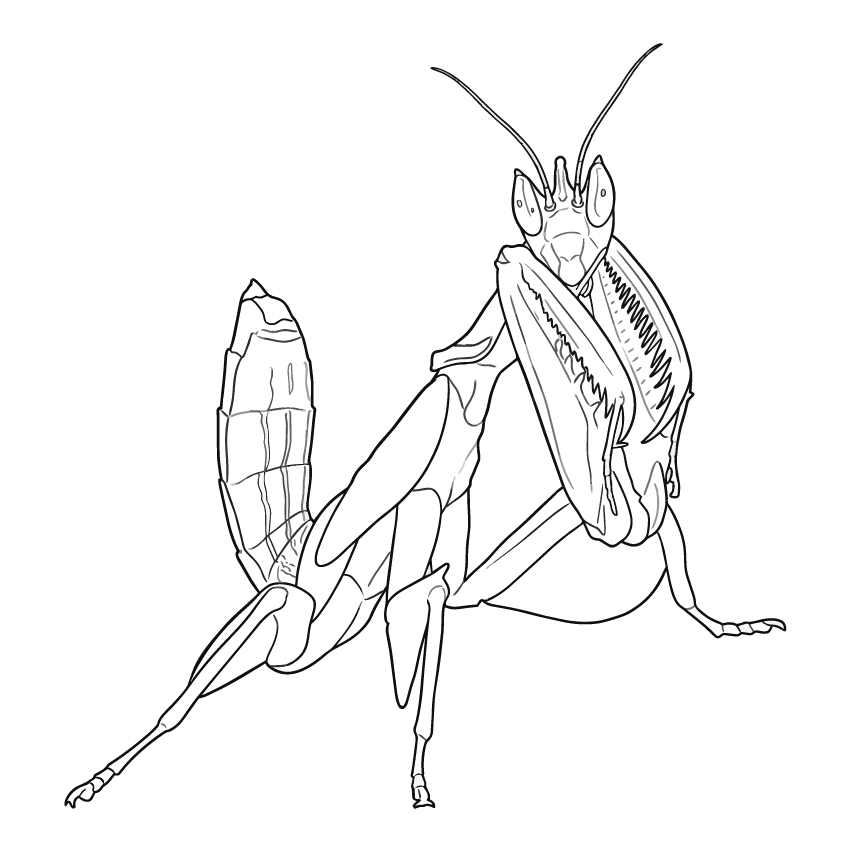
Japanese giant mantis threat pose
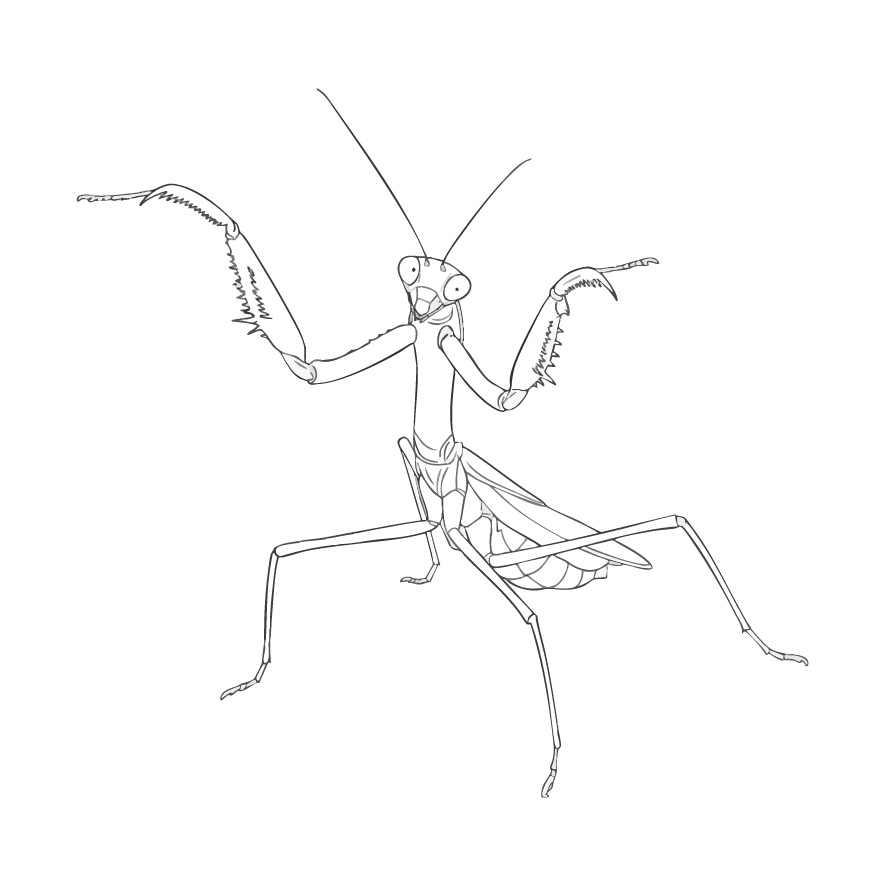
-