Zaru Soba (Chilled Buckwheat Noodles) Coloring Pages

About Zaru Soba (Chilled Buckwheat Noodles)
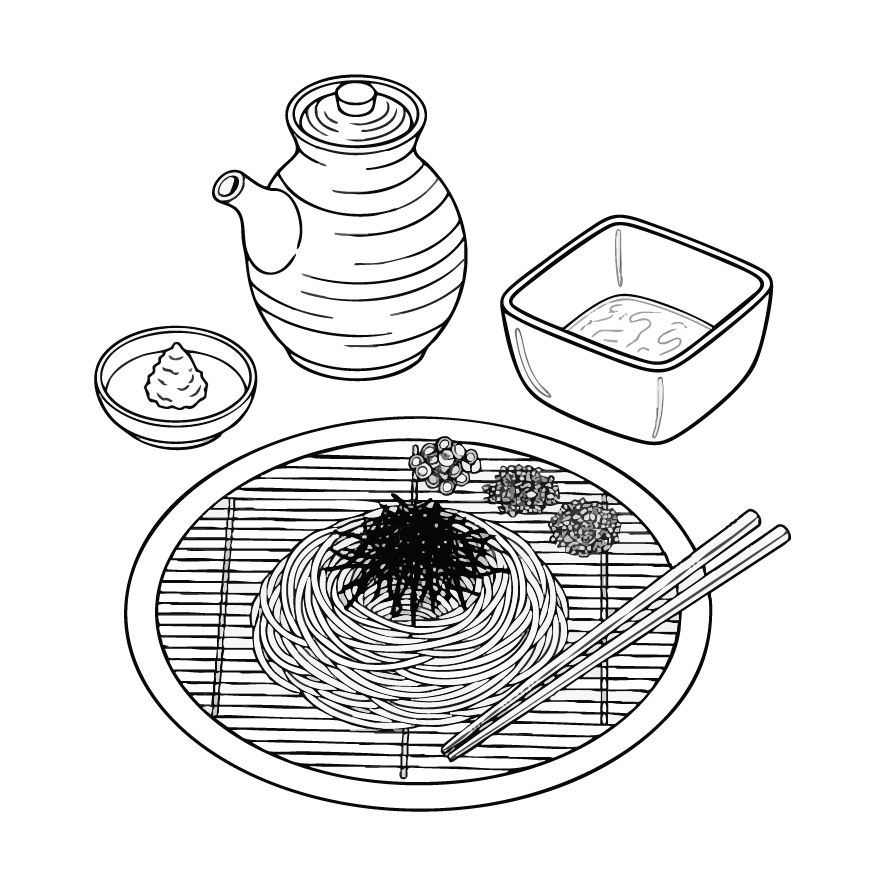
A summer classic! Cold noodles served on a bamboo strainer: Zaru Soba (Chilled Buckwheat Noodles)
Zaru Soba (Chilled Buckwheat Noodles) is a dish made by boiling buckwheat noodles, cooling them quickly in cold water, and serving them on a bamboo basket called a "zaru." You eat them by dipping them into a rich sauce. They are very popular in the hot summer because they look cool and feel nice and smooth when you eat them!
History and How It's Different from "Mori Soba"
It is said that Zaru Soba (Chilled Buckwheat Noodles) started in the middle of the Edo period when a soba shop in Fukagawa, Tokyo served noodles on a woven bamboo basket instead of the usual bowls or plates, giving Zaru Soba (Chilled Buckwheat Noodles) its name.
- At first, cold noodles that you dip in sauce were called "Mori Soba."
- Then, Zaru Soba (Chilled Buckwheat Noodles) appeared as "Mori Soba" served on a bamboo basket with seaweed sprinkled on top.
At noodle shops today, noodle dishes topped with shredded nori seaweed are usually called "Zaru Soba (Chilled Buckwheat Noodles)," while those without nori are called "Mori Soba." Also, to make sure the dipping sauce tastes great with the seaweed flavor, some shops add extra mirin and sugar to the sauce for Zaru Soba (Chilled Buckwheat Noodles). This makes it sweeter and richer than the sauce for Mori Soba!
How Zaru Soba (Chilled Buckwheat Noodles) Looks
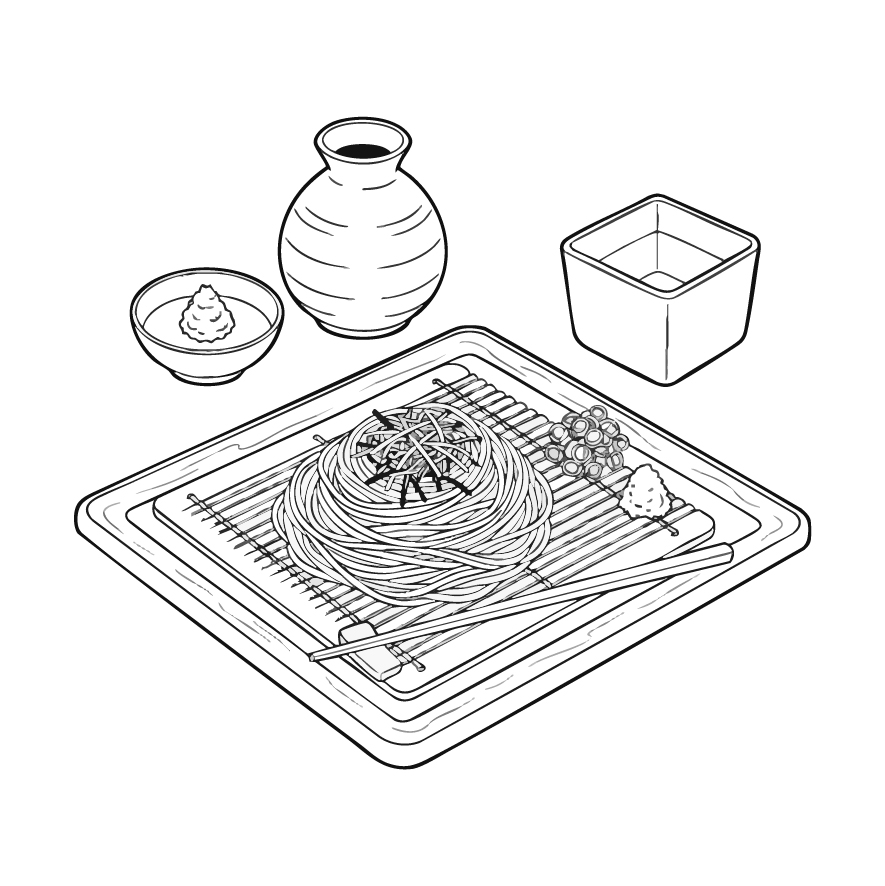
Zaru Soba (Chilled Buckwheat Noodles) gets its name because it is served in a round bamboo "zaru" basket or a square wooden "seiro" steamer.
- Zaru Soba (Chilled Buckwheat Noodles): Rinsing the noodles in cold water makes the edges firm. It gives them a nice chewy texture and makes them go down smoothly.
- Bamboo sieve (Zaru): Using a sieve lets extra water drops fall through the bottom. This keeps the Zaru Soba (Chilled Buckwheat Noodles) from getting watery, so it tastes great until your last bite! It looks cool and refreshing, too.
- Nori seaweed: Thinly shredded nori is sprinkled on top. The tasty aroma of the nori makes the flavor of the Zaru Soba (Chilled Buckwheat Noodles) even richer.
- Condiments: People usually add green onions and wasabi. Wasabi brings out the flavor of the Zaru Soba (Chilled Buckwheat Noodles) and adds a nice sharp kick.
Stylish ways to eat Zaru Soba (Chilled Buckwheat Noodles)
Even today, people who love noodle soup still care a lot about this "stylish way to eat" from the Edo period.
- Your First Bite: First, try eating just the noodles without dipping them in the sauce. This lets you enjoy the natural scents and flavors of Zaru Soba (Chilled Buckwheat Noodles).
- How Much Sauce to Use: Lightly dip only the tip, about one-third of the noodle, into the sauce. If you dip them all the way in, the sauce will be too strong, and you won't taste the Zaru Soba (Chilled Buckwheat Noodles)!
- Using Toppings: Instead of mixing the toppings into the sauce, put a little right on your noodles. Then dip them in the sauce and eat! This is the cool, classic way to eat without ruining the Zaru Soba (Chilled Buckwheat Noodles) flavor.
- Slurp Away: In Japanese culture, you do not bite off your noodles. Slurp them up all at once with a slurping sound! Making noise helps you enjoy the yummy scent of Zaru Soba (Chilled Buckwheat Noodles) even more.
Soba Water at the End
Drinking "Soba-yu", which the restaurant serves you after you finish eating your noodles, is another fun part of enjoying Zaru Soba (Chilled Buckwheat Noodles).
- Soba-yu is the hot water left over after boiling the noodles.
- A lot of the Zaru Soba (Chilled Buckwheat Noodles) nutrients and flavor melt into this water.
- People usually pour soba-yu into their leftover sauce to dilute it and drink it. The tasty sauce and smooth soba-yu mix together. It is gentle on your stomach after eating, and you can enjoy the delicious aftertaste of Zaru Soba (Chilled Buckwheat Noodles).
Share These Zaru Soba (Chilled Buckwheat Noodles) Coloring Pages


-
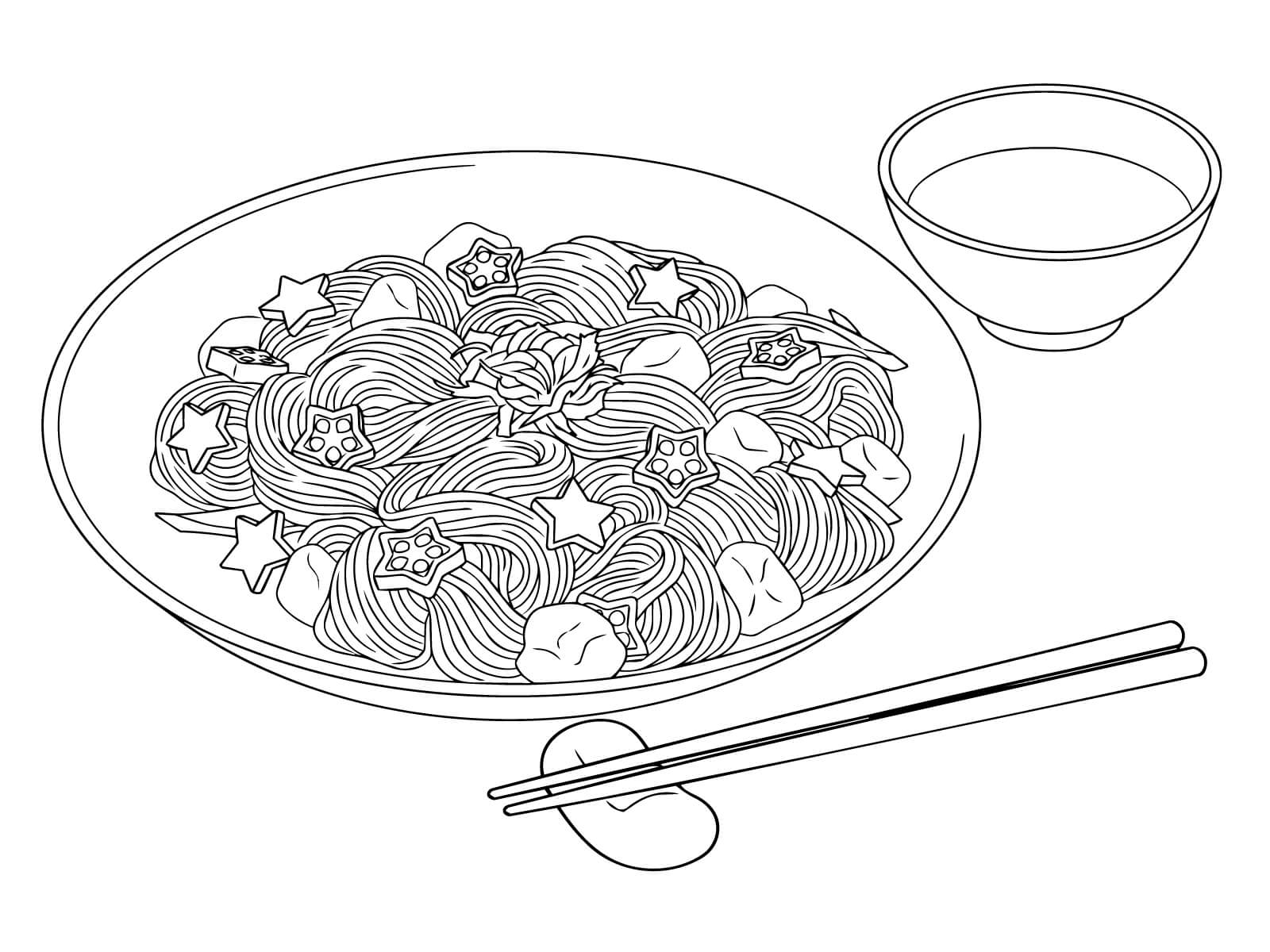
Zaru Soba (Chilled Buckwheat Noodles)
-
Zaru Soba 2
-