Kangaroo Coloring Pages

About Kangaroo
Jumping Experts! The Symbol of Australia
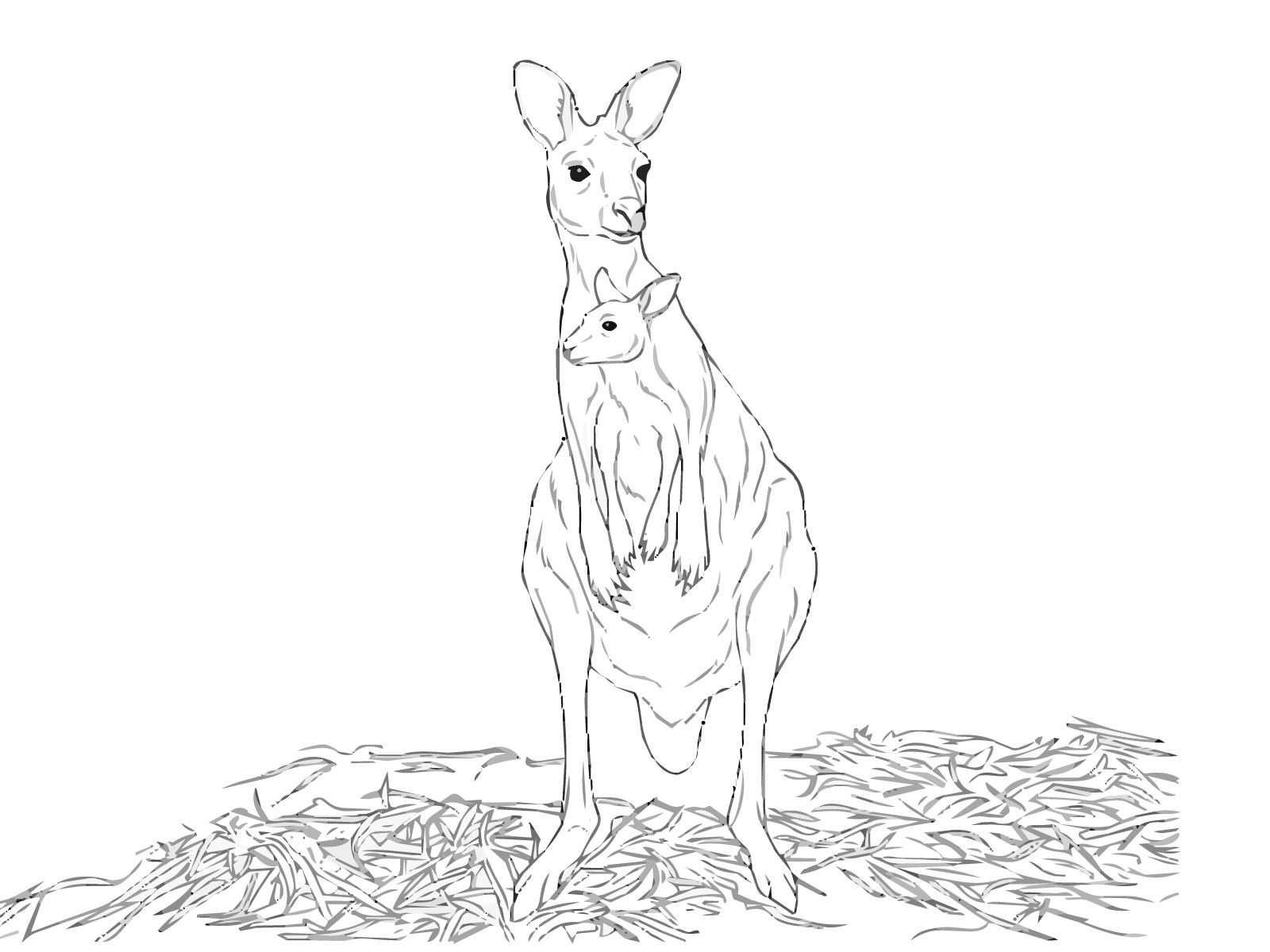
The Kangaroo is a favorite animal at the zoo! They are special animals that live in the wild nature of Australia, a big country in the southern half of the world. They are famous for using their big back legs to hop hop hop through the air! The Kangaroo is a great example of a marsupial, a group of animals that raise their babies inside a belly pouch.
Their Name and History! "I Don't Know" Became Their Name?!
There is a famous story about the fun name of the Kangaroo. Long ago, Captain Cook, an explorer from England, came to Australia. He saw this strange animal for the first time and asked a local person its name. There is a famous story that the local person answered "Kangaroo," which meant "I don't understand you." But the explorer thought it was the animal's name! That is why they are called Kangaroo in English today too.
Marsupials Raise Babies in a Pouch!
The biggest secret of the Kangaroo is the pouch on the mother's belly. When a Kangaroo baby is born, it is super tiny! It weighs only 1 to 2 grams, which is about the weight of a single 1-yen coin. The newborn baby is tiny, red, and clear. It climbs up its mother's belly all by itself to get into the pouch. It drinks milk inside and grows safely for a few months.
Spring-Like Back Legs and a Speed of 60 km/h!
The back legs of the Kangaroo have thick, strong muscles and flexible tendons. These legs work just like huge, powerful springs! With just one jump, they can leap about 8 to 9 meters far! That is as long as a big bus. When they run at full speed, they go faster than 60 kilometers per hour. That is as fast as a car, so they can zoom across the huge land!
A 5th Leg to Support the Body! A Thick, Grand Tail
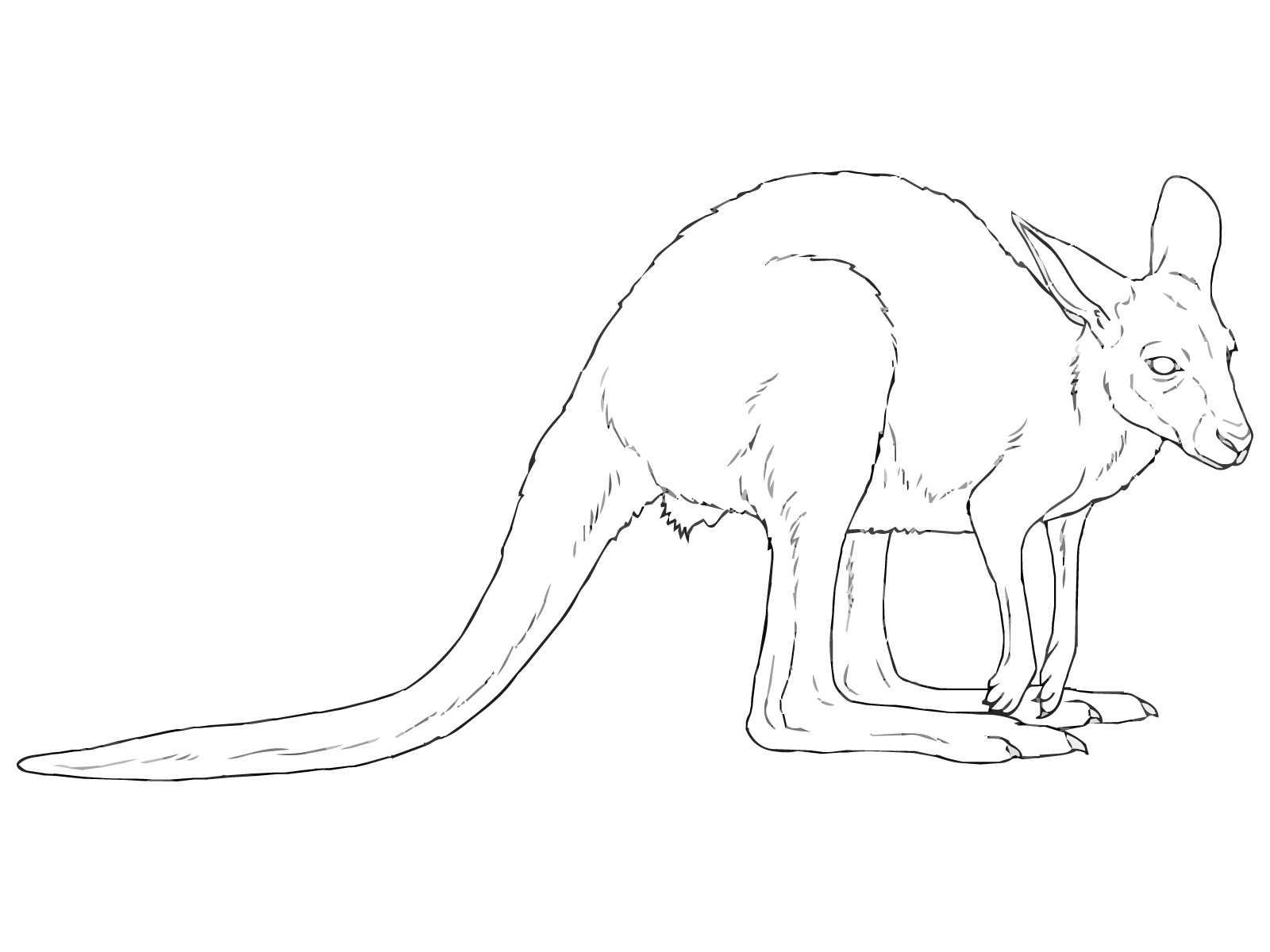
The thick, long tail of the Kangaroo is not just for looks. It is packed with so much muscle that people call it their "5th leg"! When they hop, the tail acts like a rudder to help them balance in the air. When they stand still on the ground, their tail and two back legs make a strong tripod to hold up their body. When they walk slowly, they use their tail to lift their body and move their front paws in a funny way!
Exciting Kickboxing! Boy Battles
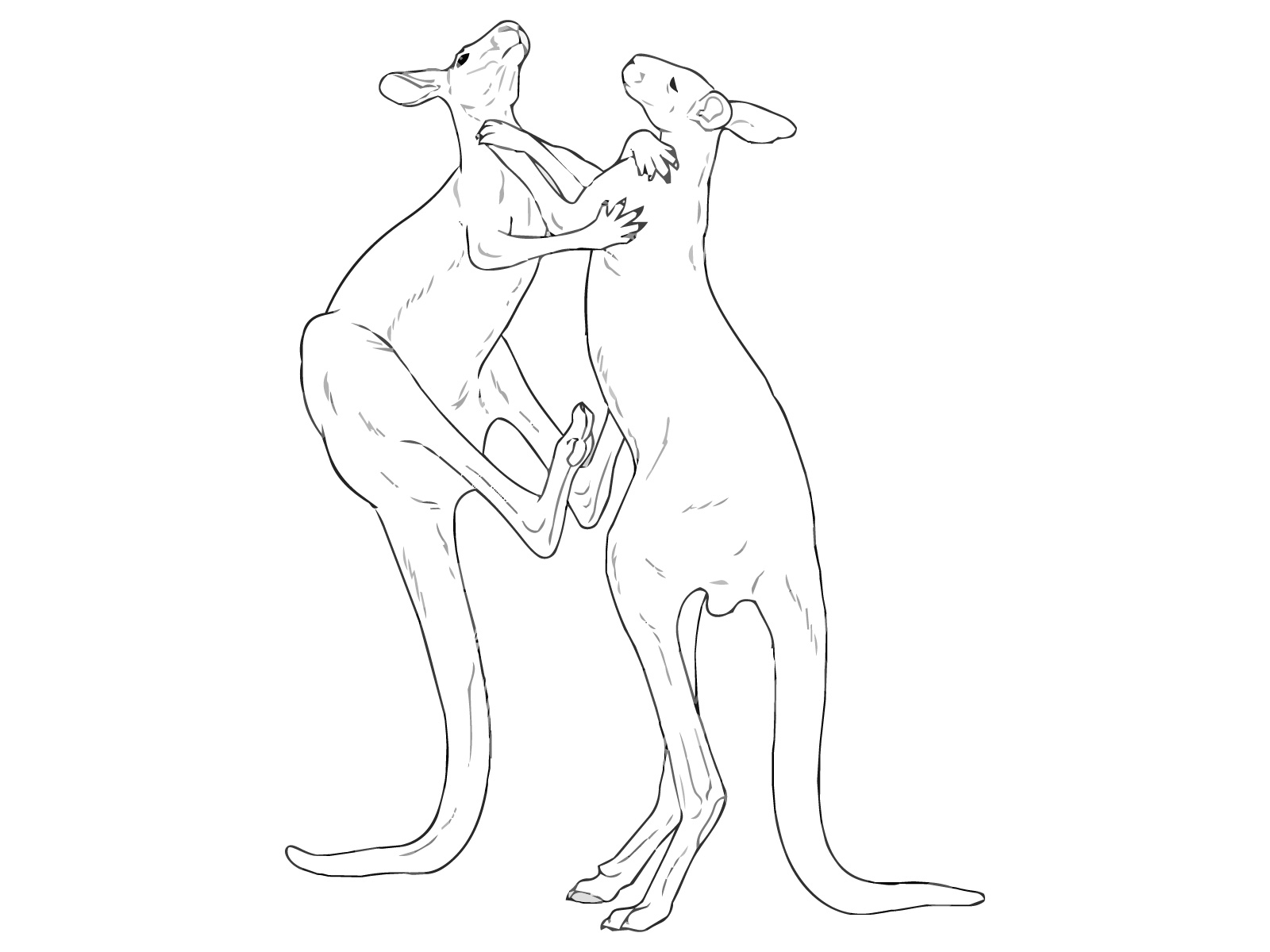
Boy Kangaroo animals fight like boxers to show how strong they are and to see who is the boss! They grab each other's necks with their front paws and throw punches. Even cooler, they can balance their whole body on just their thick tail! Then they fly up into the air and land a powerful kick right on the other's belly with both back feet!
Friends of the Kangaroo! Red Kangaroo and Eastern Grey Kangaroo
There are many kinds of Kangaroo animals. They live in different places and come in different sizes! The biggest one is the reddish-brown Red Kangaroo. Another famous one is the grey Eastern Grey Kangaroo that lives in the forest. Friends that are smaller and cuter than the Kangaroo are called wallabies. Medium-sized ones are called wallaroos!
What Do They Eat? The Secret Stomach of Plant-Eaters
The Kangaroo is a plant-eater. Their main food is grass and tree leaves that grow on the big plains. To digest tough grass, the Kangaroo has a special stomach with different rooms, just like a cow! They bring up grass they already ate back into their mouth to chew it again. This trick helps them get all the energy they need from their food!
Smart Ways to Beat the Heat! Licking Arms to Cool Down
The deserts and plains in Australia where the Kangaroo lives get super hot under the bright sun. But the Kangaroo is very smart! During the hottest part of the day, they lie down in the shade of trees to save their energy. They also lick their front paws to get them wet with spit. When the wind blows, the spit dries and cools down their blood! This smart trick helps them lower their body temperature.
Living Together in a Group Called a "Mob"
The Kangaroo does not live all alone. They live happily together in a group called a "mob" with a few to a few dozen animals! Friends in the mob touch noses to say hello and groom each other's fur to become good pals. If enemies like wild dogs or hawks get close, they thump the ground hard with their feet! The loud sound tells all their friends about the danger so they can hop away together!
How to Color Kangaroo
How to Choose Colors: Natural Browns and Pastels
Main Body Colors:
-
Male Red Kangaroo: Color the back and body with reddish-brown (brick red) or bright orange to make a strong and cool boy Kangaroo!
-
Eastern Grey Kangaroo or Female: Color the whole body with calm gray, light brown, or ochre to give it a realistic and gentle look.
Tummy and Face Colors:
-
Try coloring the soft fur around the tummy, under the chin, inside the tail, and between the legs with a slightly lighter cream or pale beige than the back!
Details for Eyes and Claws:
-
Color the big round eyes with solid black. Leave small white dots near the edge or inside the eye, and they will shine as if brought to life!
-
If you color the sharp claws on the front and back feet with black or dark brown, you will boost the powerful feel of jumping and kicking!
Coloring Baby Pouches and Boxing Poses
Mom and Baby Coloring Page:
-
For the baby peeking out of the pouch on the mother Kangaroo's tummy, color it with a slightly lighter light brown or skin tone with a hint of pink compared to the mom. You can show how cute and protected it is!
Boxing Match Coloring Page:
-
If you are coloring a page with two Kangaroo friends standing up and wrestling, try using reddish-brown for one and grayish-brown for the other. It will turn into an exciting match scene that makes you wonder who will win!
Use "Light" and "Shadow" for Thick Muscles and 3D Tails
Places with Shadows:
-
Try adding a slightly darker brown or gray over the main color on the inside of the thighs, under the tummy, in the neck folds, and under the tail touching the ground.
-
This will make the thick thigh muscles special to a Kangaroo and the heavy tail supporting its body pop out in 3D!
Places with Light (Highlights):
-
Gently layer a slightly bright yellow or cream on the back line where sunlight hits, the tops of the shoulders, and the outside of the thighs. Or you can leave those areas light. This shows off a shiny, pretty fur coat!
Fur Texture and Art Supply Tips
Colored Pencil Technique:
-
Relax your hand and gently layer the color over and over to show the soft fur of the Kangaroo.
-
If you draw quick, short lines repeatedly along the direction the fur grows, it will look like the real texture of a live animal!
Crayon and Paint Technique:
-
When using crayons, spread the color a bit thick. Then gently tap and rub it with your fingertip to blend it into warm fur!
-
When using watercolors, mix a light brown with plenty of water. Once it dries, add fur lines with a slightly darker brown for a rich finish!
Have Fun Finishing Your Coloring Page!
Express Yourself Freely!:
-
It is totally okay if you do not use real colors! Try coloring with your own fun ideas and favorite colors, like a "Rainbow Super Kangaroo" or a "Golden Kangaroo Shining All Over"!
Try Adding Backgrounds!:
-
At the feet of the Kangaroo, try drawing Australia's red earth and green grass. You can also add a big red setting sun or a refreshing sky blue in the sky. Your picture of the Kangaroo moving around in great nature will come to life even more!
Fun Facts About Kangaroo
Raising babies in a pouch on the belly!
The biggest feature of Kangaroo is that moms have a big pouch on their belly. A newborn baby is only 2 centimeters long (about the size of a gummy candy), but it climbs up into the belly pouch all by itself and grows up inside it.
60 Kilometers per hour! The secret of jumping around
Kangaroo does not run. Instead, it moves by jumping with its thick, strong back legs. The muscles and tendons in the legs act like strong springs. Kangaroo can jump 7 to 8 meters in one leap at speeds over 60 kilometers per hour!
The thick, strong tail is a "fifth leg"!
The big, thick tail is a very important tool for steering and keeping balance when jumping. Also, when Kangaroo walks slowly or stands to rest, the tail works as a "fifth leg" to support its body.
No moving backward! A symbol of going forward
Because of the shape of its big back legs and tail, Kangaroo cannot walk backward or step back. In Australia, it is used on the national emblem as a happy symbol that means "always moving forward and never backing down."
Licking front legs to cool down on hot days!
Kangaroo does not sweat much like humans do. So on hot days, it licks its front legs with spit. It cools its body in a clever way as the spit dries and takes away the heat!
Share These Kangaroo Coloring Pages



-
Kangaroo
-
Kangaroo 2
-
-
Kangaroo 3
-