Mock strawberry Coloring Pages
 ~
~ 
About Mock strawberry
If you find a red berry, it's probably this
In the corner of your schoolyard, along the path between rice fields, or in the tall grass near a river. When you walk around, you might see tiny red berries tucked away in the grass.
You might think, "A strawberry!" But when you get closer, it looks a little different. That is the Mock strawberry.
It likes sunny, slightly wet grassy areas, and it grows by creeping along the ground.
"It is poisonous" is wrong
Let's start with the most important thing. The Mock strawberry is not poisonous at all.
People sometimes call it scary names like "Poison Berry," so a lot of people think it is dangerous to eat. But that is wrong, and it is actually safe to eat.
So why doesn't anyone eat it? The reason is not poison, but because it does not taste good. The inside is soft like a sponge, and it has almost no taste. It looks so red and yummy, but you will be disappointed if you put it in your mouth—that is the Mock strawberry!
We don't know for sure why it is called a "Snake Strawberry" in Japan
You might wonder, "Why does its Japanese name have the word 'snake' in it?" Actually, no one knows for sure. There are three famous ideas.
The first idea says that since people cannot eat it, it must be a strawberry for snakes.
The second idea says that it grows in damp places where snakes might be.
The third idea says that snakes wait nearby to catch small animals that come to eat the berries.
All of them sound true, but we don't know the real reason. Even long ago, people thought this plant seemed a little scary!
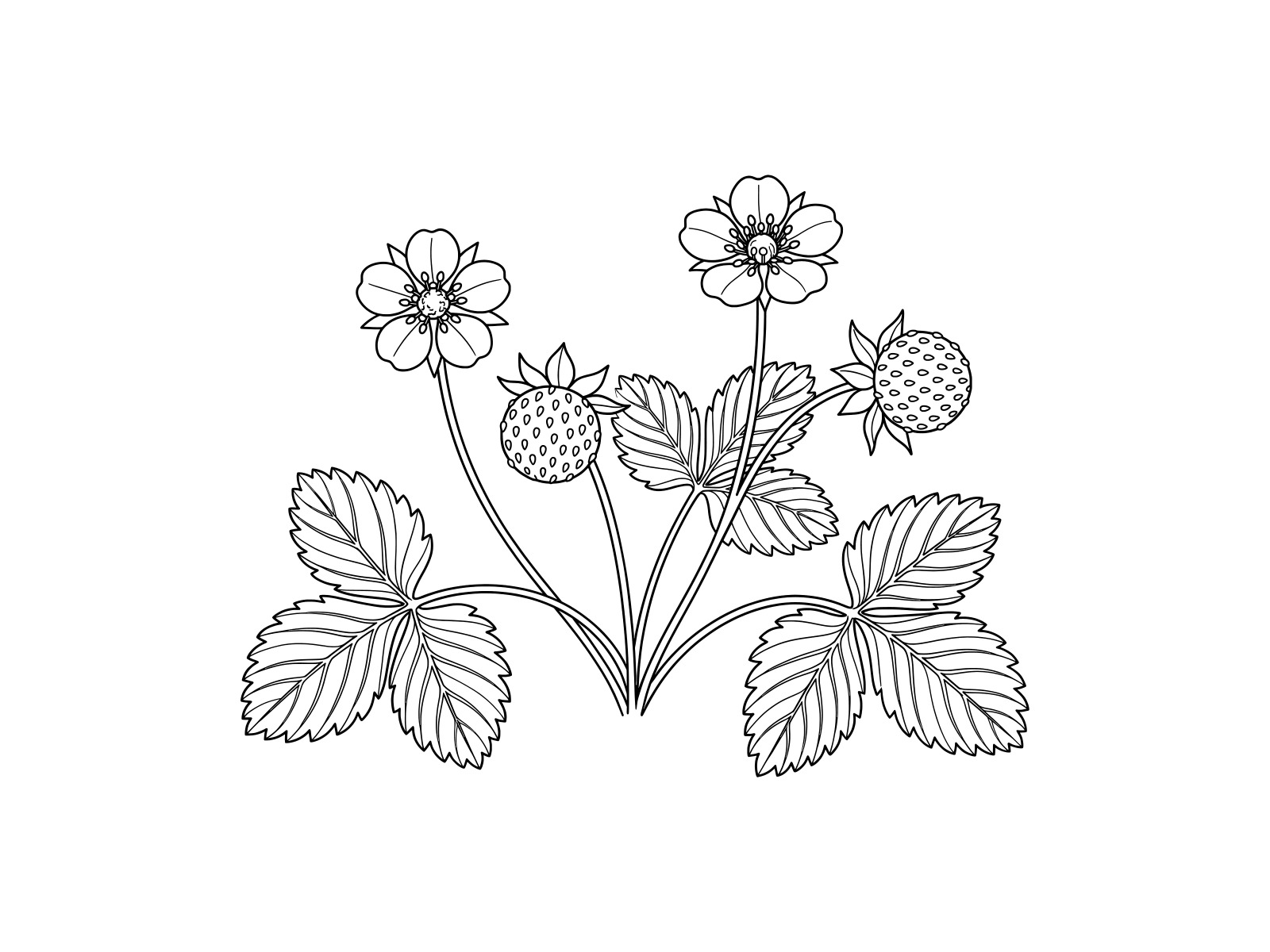
The flowers are yellow. They are not white like real strawberries
The flower of the Mock strawberry is yellow. Real strawberries at the store have white flowers, so this is a big difference.
It has 5 petals, and the flower is about 1.5 centimeters wide. They bloom from spring to early summer (April to June).
Take a close look at the back of the flower. You can see the green sepals spread out like a star. But look closely, and you will see another set on the outside with three points on each tip. This double set of sepals is a cool fact about the Mock strawberry.
It has three leaves, but the edges are jagged
The leaves grow in sets of three. That is just like clovers or wood sorrels. But if you look at the edges, you can tell them apart right away.
The small leaves of the Mock strawberry have tiny, jagged edges. Clovers and wood sorrels have smooth edges. Remember: "If it has three leaves with jagged edges, it's a Mock strawberry!"
The leaf shape is an oval close to a diamond. It is part of the rose family, so if you look closely, the leaves look just like strawberry leaves.
Each tiny bump on the berry is a real "fruit"
The surface of the red berry is covered with tiny bumps. Surprisingly, this red puffy part is not the fruit itself.
The red puffy part is actually the base of the flower that grew big. The tiny bumps on the surface are each a real fruit.
Strawberries at the store are made the exact same way. The tiny bumps on those strawberries are the real fruit, too! When you look at a Mock strawberry, you learn the secrets of real strawberries, too!
How to Color Mock strawberry
Color the fruit dark red to make it look real
The fruit of the Mock strawberry is a surprisingly bright red. So, go ahead and use a nice, dark red. If you use a light red, you won't get that "pops right out at you in the grass" look.
The secret is to leave the tiny bumps white without coloring them. When white bumps line up inside the red fruit, it looks just like the real thing!
If you want to be extra careful, try coloring the bumps a light yellow. That makes the bumpy pattern stand out even more.
The flowers are yellow. Don't color them white!
When you hear "strawberry flower," you might think of white, but the flower of a Mock strawberry is yellow. Don't mix this up!
If you make the petals a bright yellow and the stamens in the middle a dark yellow or orange, the center will look nice and sharp.
The double calyx behind the flower is green. If you make the inner and outer parts slightly different shades of green, people can tell it has two layers!
Don't cover up the jagged edges of the leaves
The main key to finding a Mock strawberry is the jagged edges on the leaves. If you color over them, it will just look like a plain three-leaf clover.
Color the leaves from the inside out, following the outline. Gently put the tip of your colored pencil into each little point.
You want the lines inside the leaves to show too, so start with a lighter green and add darker green later.
Make the thin stems a reddish color
The stems that crawl along the ground are often a bit reddish-brown, not just green.
If you color the stems reddish-brown, it connects the green leaves and the red fruit, bringing your whole picture together! In the second picture, this stem goes all the way across, so just coloring it will change the look a lot.
Once you color it, let's go look for the real thing!
When you finish coloring, take this picture and go outside! Look in damp grassy places. You can find them on the edges of rice fields, by rivers, or in damp corners of the schoolyard.
When you find a red fruit, check if the leaf edges are jagged. If they are jagged, it's a Mock strawberry!
It is not poisonous, so it's safe to touch. But you already know it doesn't taste good, right?
Fun Facts About Mock strawberry
Called "Doku-ichigo" (Poison Strawberry), But It Has No Poison
Mock strawberry has a scary nickname: poison strawberry. But this is a total misunderstanding.
Mock strawberry is not poisonous. You can even eat it if you want to! So why do people say it has "poison"?
Maybe because it looks so yummy and red, but nobody eats it, so people thought, "It must be poisonous!" Actually, it just doesn't taste like anything. People keep misunderstanding it, so it's a poor little plant, isn't it?
Sei Shonagon also wrote, "Its name is scary"
Mock strawberry has been known to people for a very long time. In the Heian period book Makura no Soshi, Mock strawberry is listed as one of the "na osoroshiki mono"—things with scary names.
Even people a thousand years ago thought "Yikes!" when they heard this plant's name. The real thing is just a tiny red berry, but people are scared of it just because of its name. Isn't it silly that this has been going on for a thousand years?
The Red Part Isn't Actually the Fruit
The swollen red part is actually the base of the flower (receptacle) that grew bigger. The real fruit is each and every tiny bump on the surface.
Strawberries you buy at the grocery store work the exact same way. Those little bumps on a strawberry are not seeds, but the fruit itself.
Both Mock strawberry and strawberries belong to the same rose family. That is why their flowers look so much alike.
Used as medicine
Mock strawberry isn't tasty to eat, but it has actually been useful as medicine.
Dried plants and berries were used as herbal medicine. People also soaked the berries in alcohol to make a liquid you can rub on insect bites, itches, and bumps.
People often think of it as a "useless weed," but people in the past found a great way to use it!
Share These Mock strawberry Coloring Pages


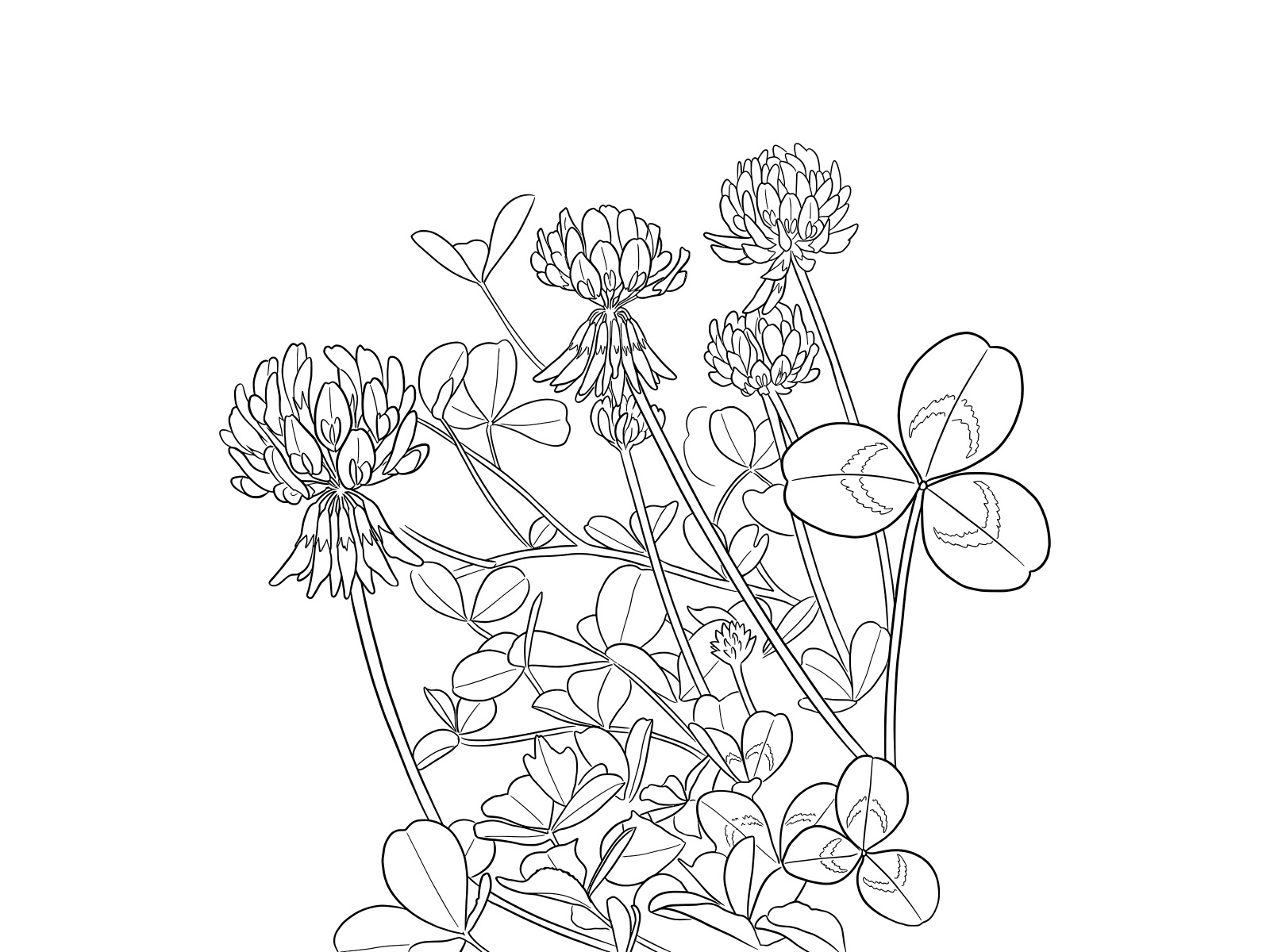
-
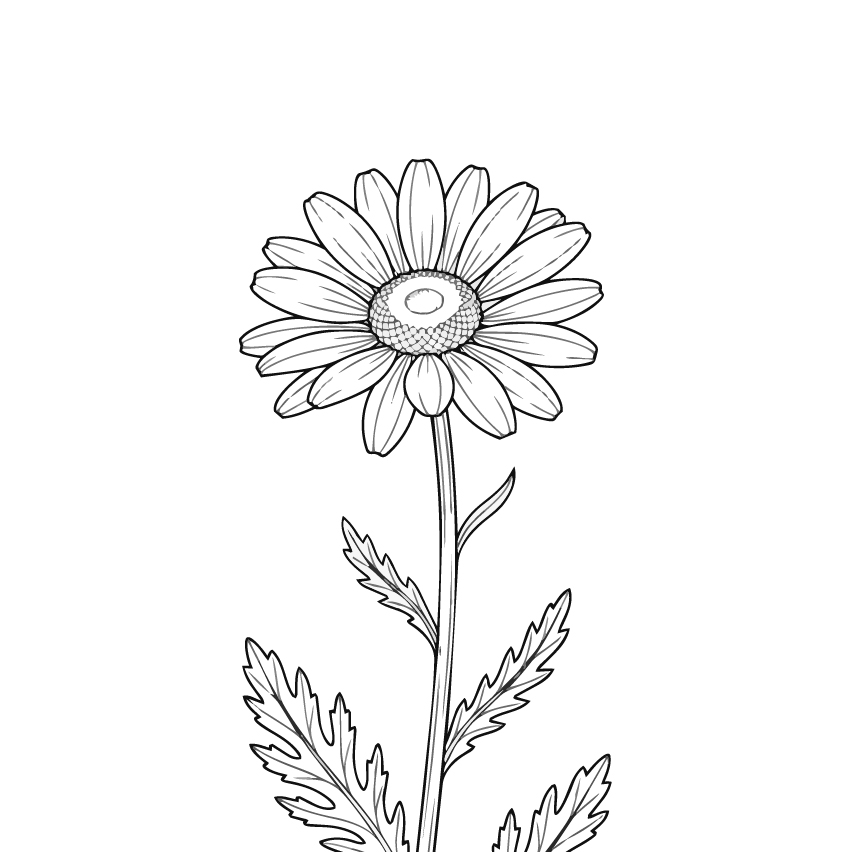
Mock strawberry
-
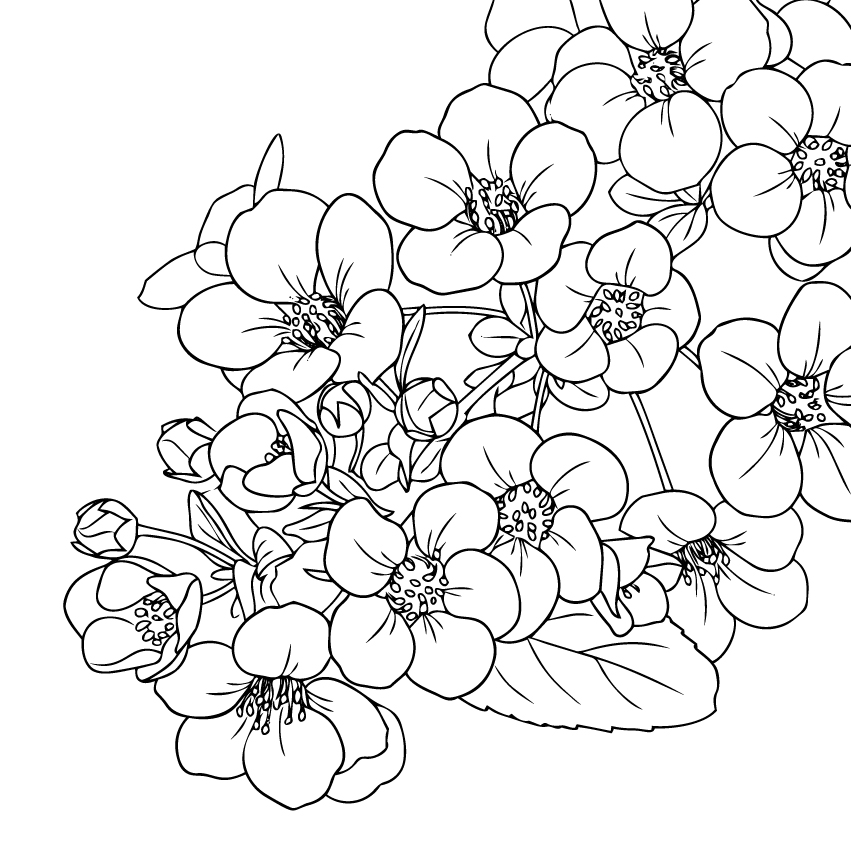
Mock strawberry spreading on the ground
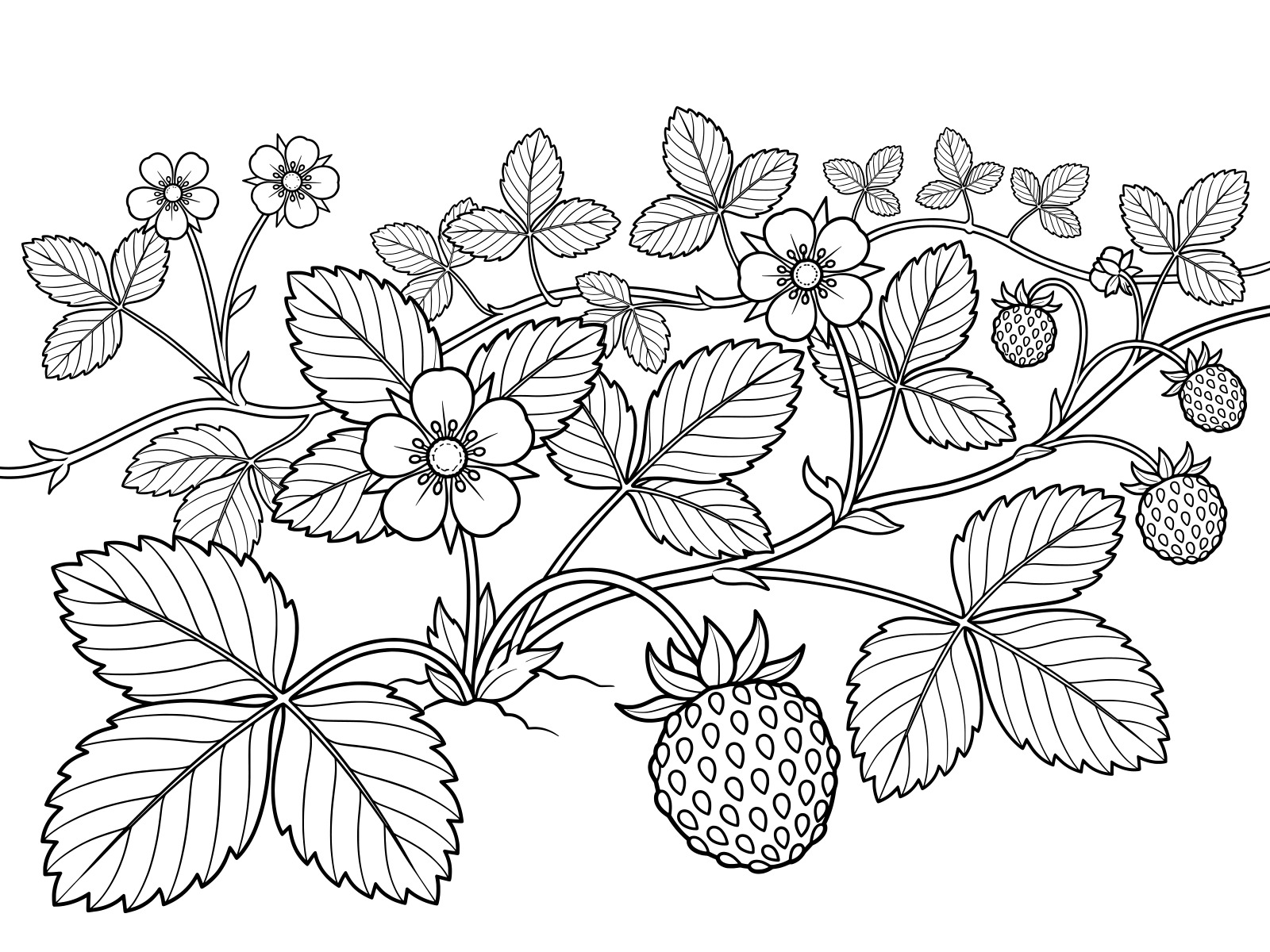
-
-
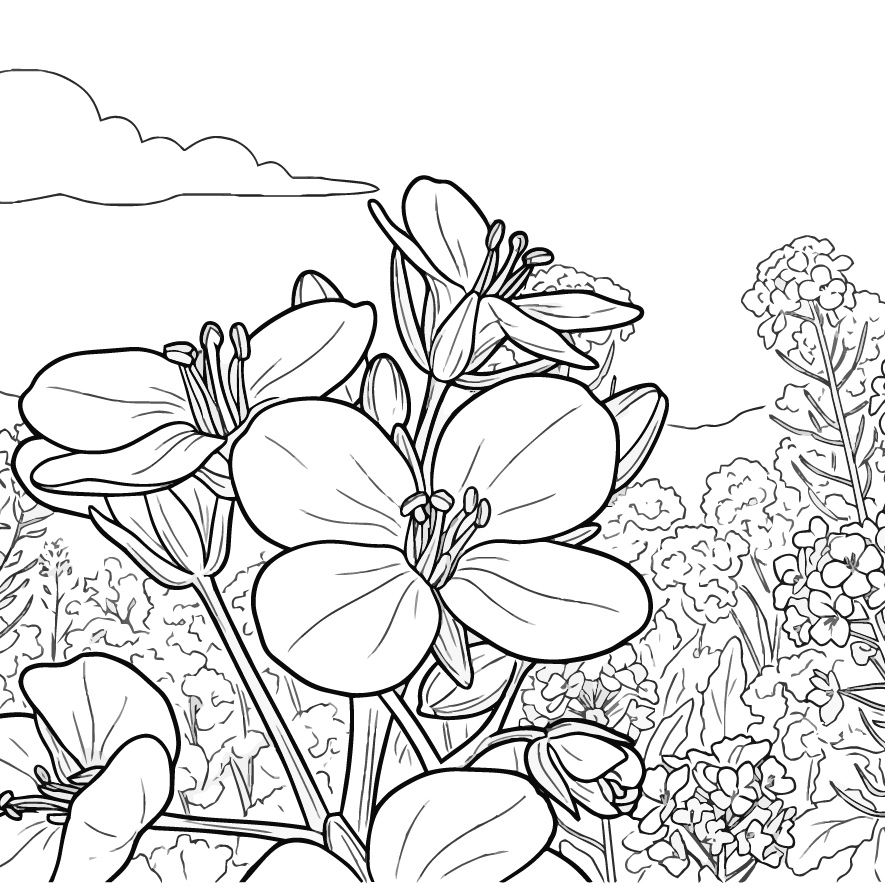
Mock strawberry fruit (detailed)

-