Henbit Coloring Pages
 ~
~ 
About Henbit
The weed that dyes spring fields reddish-purple
Henbit is a plant that grows in the corners of schoolyards, along the paths to school, and on the edges of rice fields. From March to June, it blooms with lots of long, thin, reddish-purple flowers.
In places where a lot of it grows, the whole field looks reddish-purple. Along with the blue flowers of Persian speedwell, it adds beautiful colors to the ground in spring.
The Name Comes from "Buddha's Seat"
It's a unique name, isn't it? This name comes from the way its leaves grow.
Take a close look at the leaves near the top of the stem. Do you see how the two leaves on the left and right wrap all the way around the stem without any stalks, making a round plate-like shape?
The way the flowers sit on top of this plate looks like the lotus throne that Buddha sits on. That's why it came to be called Buddha's seat—or Hotokenoza.
On the coloring page, you can see the flowers sitting on the round, spreading leaves. That's exactly how it looks in real life!
Another name for Henbit is "Sankaikusa"
Another name for it is Sankaisou.
This name also comes from how it looks. You can see round leaf plates attached along the stem in two or three tiers, right? It got this name because those look like the floors of a building.
Count how many tiers of plates there are on the coloring page! You will see that the stem is bare between the tiers, so they are clearly separated.
The flowers look like lips
If you look closely at the flower, the shape is very different from ordinary flowers. The tip of the long, thin tube splits into two lips, one on top and one on the bottom. This kind of flower is called a labiate flower.
The upper lip curves forward like a helmet, and it has fine hairs on its surface.
The lower lip splits in two and opens to the left and right, and it has dark spots on it. People think these spots are markers that tell insects, "Nectar is right here!"
The flower is about 2 centimeters long. This shape is shared by shiso, mint, and other members of the mint family. Henbit is also a member of the mint family, and if you touch its stem, you can tell it is square.
Some Flowers Produce Seeds Without Ever Opening
Here is a surprising story! Some Henbit plants have flowers that make seeds while staying as closed buds. These are called cleistogamous flowers.
Usually, flowers open up and let insects carry their pollen. But these closed flowers skip that step and make seeds all by themselves.
It is a special trick to make sure they leave seeds behind, even in cold seasons when there are few insects. So if you look closely, you might see some flowers and think, "Hey, this one never opens!" If you find one, that is a closed flower.
A Different Plant From the "Hotokenoza" Spring Herb
This part is really important. Did you know that "Hotokenoza" is one of the Seven Spring Herbs? It is one of the seven plants used in Seven Herbs Rice Porridge on January 7th.
However, the "Hotokenoza" in the Seven Herbs is not Henbit. The Seven Herbs plant is a completely different plant from the daisy family called Koonitabirako.
Because they have the same name, some people accidentally put Henbit into their porridge. But Henbit is not for eating, so please do not eat it. Even though they share a name, they are different plants—so please remember this!
How to Color Henbit
The flowers are reddish-purple. Leave the spots as you color!
The Henbit flowers are reddish-purple. If you use a color that is a little more purple than pink, it will look like the real thing!
For the dark spots on the bottom lip, put dots that are much darker than the area around them. If you color the area around them pale pink and the spots dark reddish-purple, they will stand out clearly.
If you leave the fine hairs on the top lip white without coloring them, they will look soft and fluffy.
Color the "saucer" leaves a slightly dark green
The round leaves surrounding the stem are the "Buddha's pedestal" that gave the plant its name! This is the main part of this picture, so color it well with a slightly dark green.
The edges of the leaves have rounded bumps. The fact that they are not sharp is what makes this plant special. Color carefully along the shape of the edges!
Since you want to keep the veins on the leaves, try changing the darkness a little on the left and right side of each vein to make them look 3D.
Try changing the shade of green for each level
The saucers of round leaves grow in two or three levels along the stem! This is where the name "Three-Story Grass" comes from.
Try coloring the bottom level dark and the top level light. It will be clear that they are in levels, and the meaning of the name will come through in your picture!
Color the stem reddish-green
The stem of the Henbit is often green with a reddish-purple tint. Try putting a little bit of red over the green.
It is part of the mint family, so the stem is square. In the coloring page, there are two vertical lines. If you change the darkness on the left and right of those lines, it will look like a square stick!
Once you finish coloring, let's go count the levels!
When you finish coloring, take this picture outside! Look around the edges of rice fields or farm fields from March to June.
When you find one, let's count how many levels of round leaf saucers there are! Are there two levels, or three levels?
Also, try looking for flower buds that stay closed. Those are called cleistogamous flowers. But remember, you cannot eat this plant, so please do not put it in your mouth!
Fun Facts About Henbit
The "Hotokenoza" in the Seven Spring Herbs is a different plant
The "Hotokenoza" in the Seven Spring Herbs is not Henbit. The seven herbs plant is called Koonitabirako, and it is a completely different plant in the daisy family.
Koonitabirako spreads its leaves flat on the ground. Henbit is in the mint family and grows straight up. They look completely different, too.
Because they have the same Japanese name, some people accidentally put Henbit in their seven-herb rice porridge. But Henbit is not for eating, so please never do that. "Same name, but a different plant"—even grown-ups make this mistake!
Flowers that make seeds without opening
Henbit has special flowers called cleistogamous flowers that make seeds while staying as closed buds.
Flowers usually open to let insects carry their pollen. But when or where there are few insects, waiting for them does not work. So, Henbit gives up on opening and makes seeds all by itself using its own pollen.
It is a smart trick to make sure it grows seeds! Look closely and you will find "buds that do not open," so try searching for them.
Two names, both based on how it looks
Henbit has two Japanese names, and both come from just how it looks.
The name Hotokenoza (Buddha's seat) comes from how the flowers sit on the round leaves, looking like the lotus pedestal where Buddha sits.
The name Sangaigusa (three-story grass) comes from how these leaf plates are stacked in layers.
Looking at the same part of one plant, one person thought of Buddha's seat, and another thought of a building's floors. Naming plants is so much fun!
A relative of perilla and mint
Henbit belongs to the mint family—the same group as perilla, mint, basil, and lavender.
Plants in the mint family have square stems and lip-shaped flowers. If you pinch Henbit's stem with your fingers, you can tell it is square, not round.
However, Henbit does not smell nice like perilla, and you cannot eat it either. Plants in the same family can still be very different!
Share These Henbit Coloring Pages



-
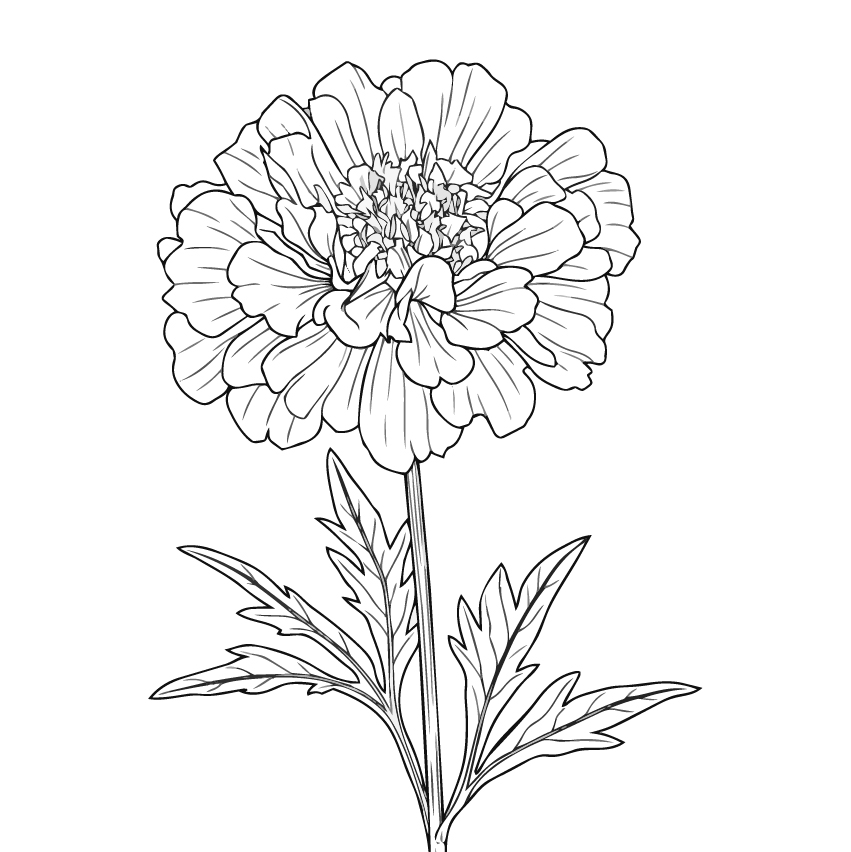
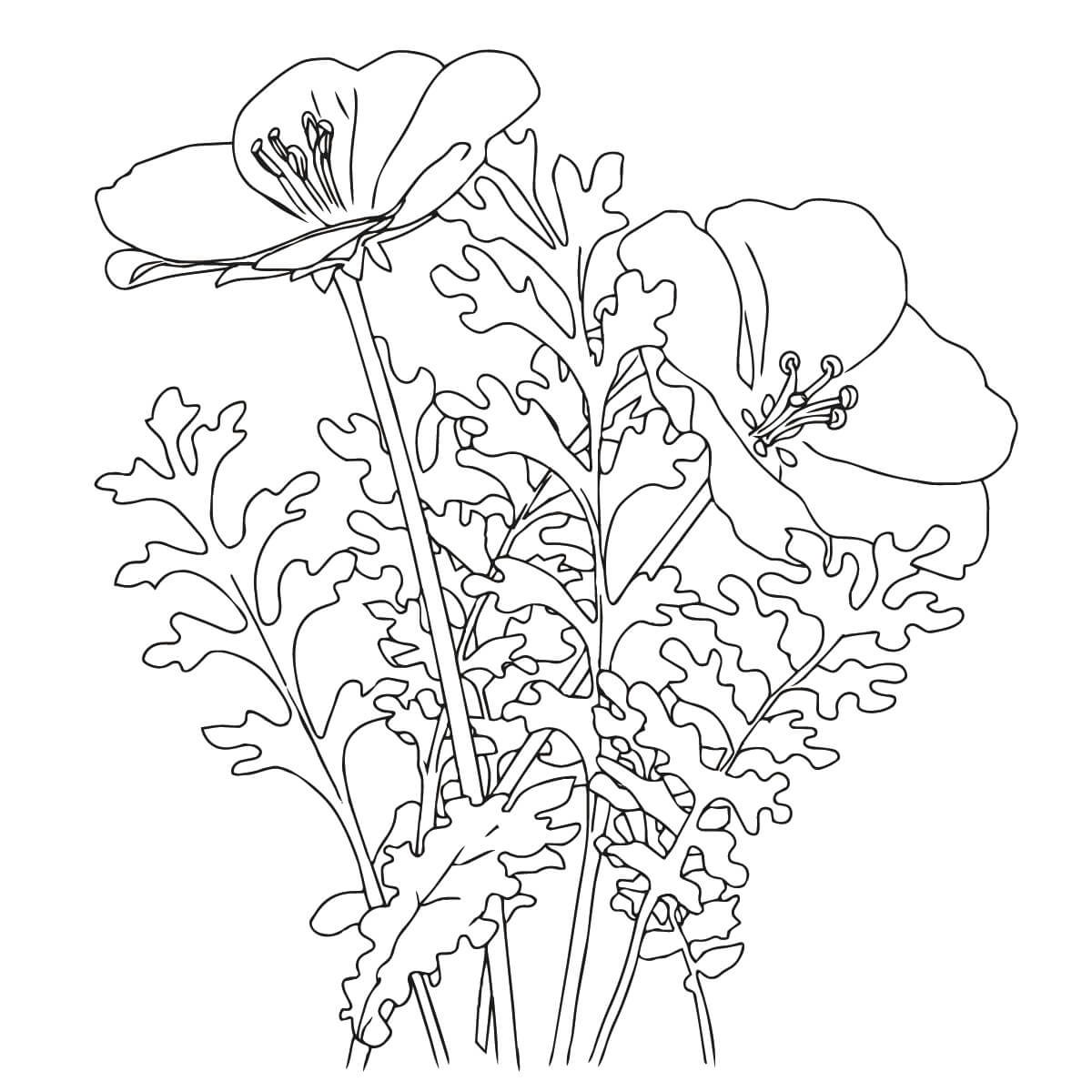
Henbit
-
Cluster of henbit

-