Sweet potato harvesting Coloring Pages
 ~
~ 
About Sweet potato harvesting
The most fun autumn event in the field
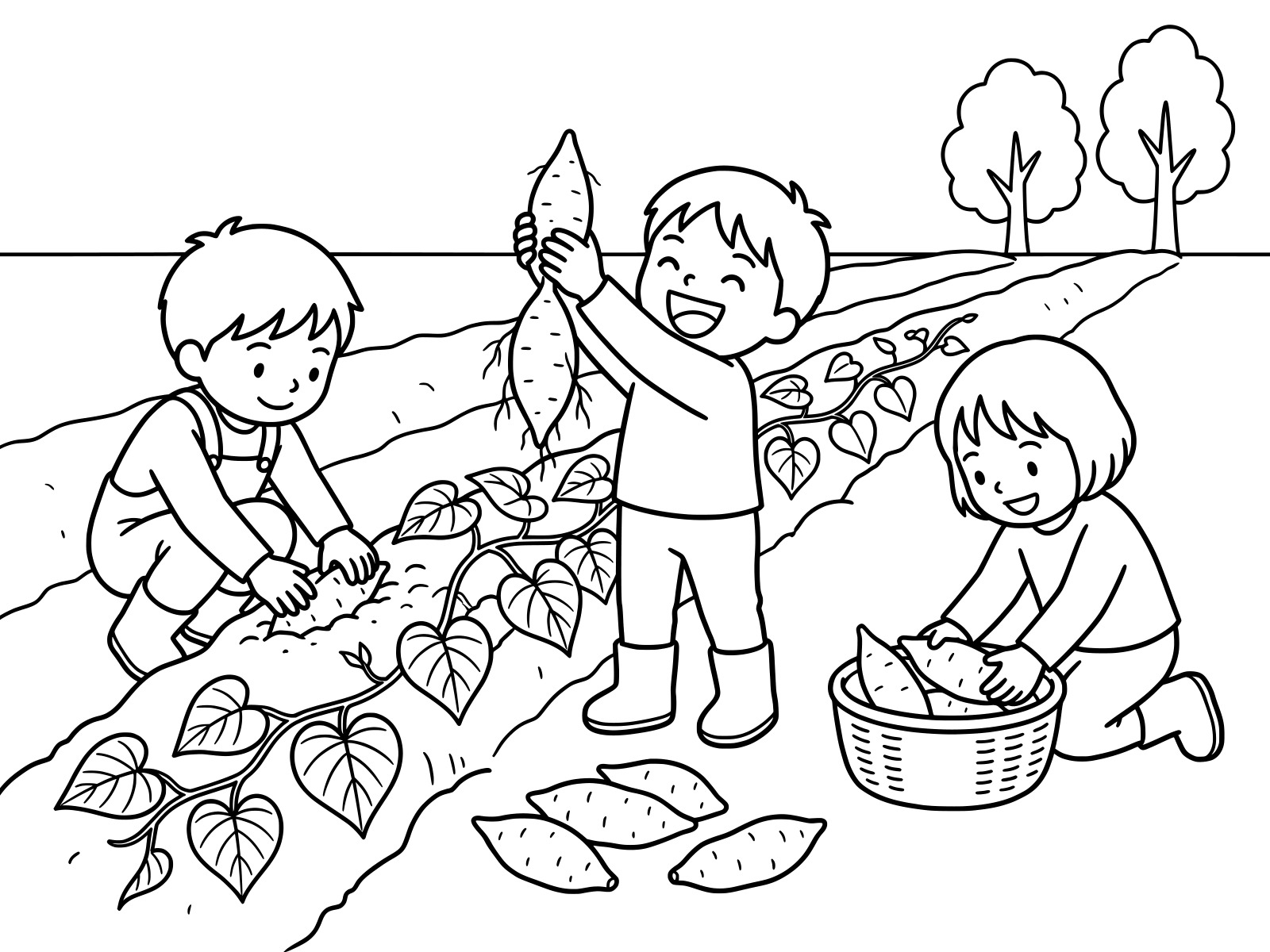
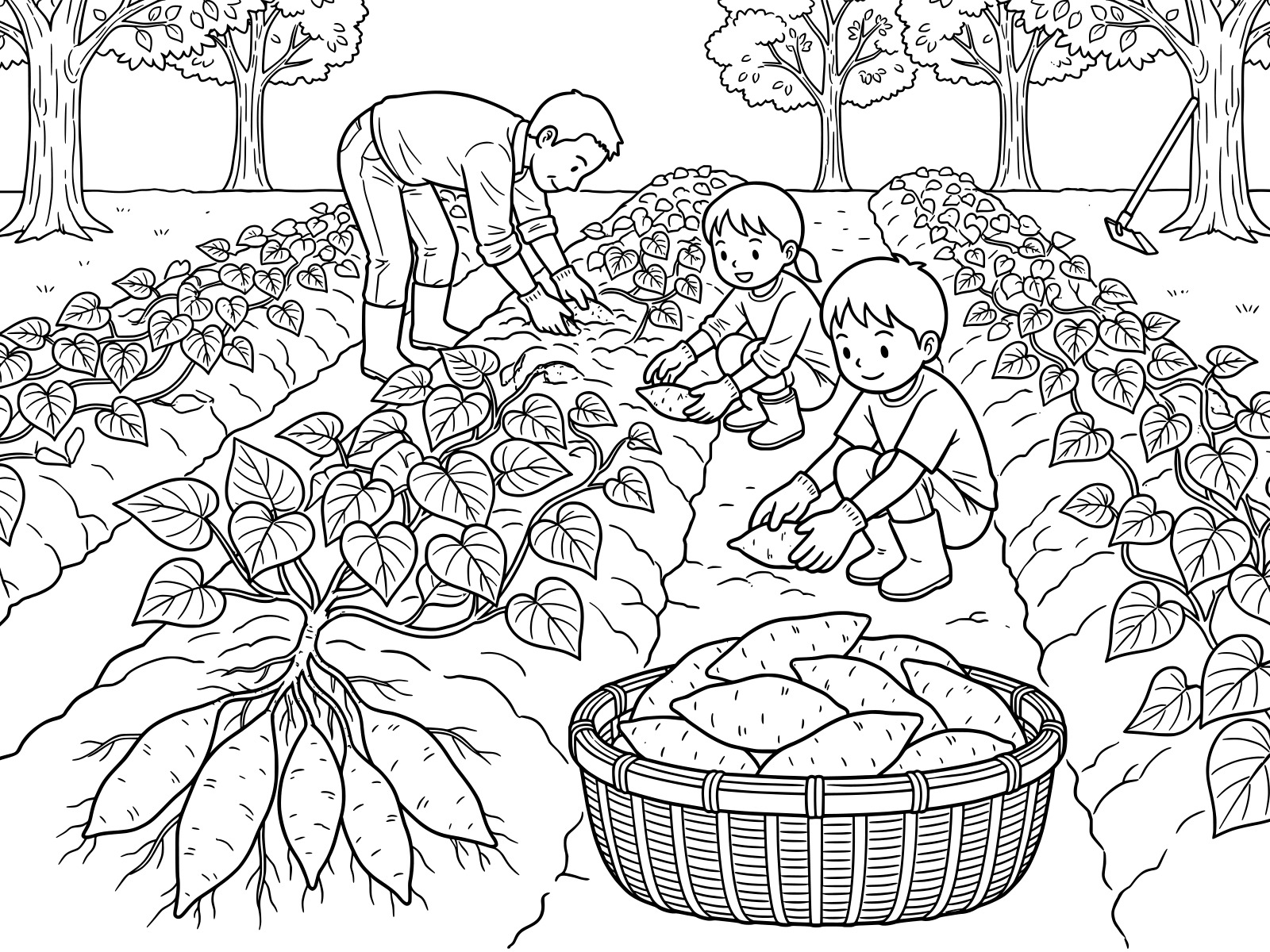
Sweet potato harvesting is an autumn event done in preschools, elementary schools, and local fields from around October to November.
You dig up sweet potatoes. The young plants you put in the ground during spring grow long vines all through summer and make big roots under the soil. Everyone works together to dig them out.
The best part is when you push the dirt away and see the reddish-purple potato pop out!
Heart-shaped leaves all over the dirt
When you go to the field, the first things you see are heart-shaped leaves.
Sweet potato leaves have pointed tips, and thick veins spread out wide from the bottom. Long, thin vines connect all the leaves as they crawl across the ground.
The soil in the field is piled up in long rows. These are called ridges. Sweet potatoes grow and get big inside these soil piles.
Cut the vines first
If you just pull hard on the vines, the potatoes will not come out easily.
In a real Sweet potato harvesting, you cut the vines and move the leaves away first. Then, you dig into the soil of the ridge with your hands.
When you see the potato in the dirt, clear away the soil around it, and lift it up gently. If you pull too fast, the potato might snap right in the dirt!
Many potatoes on just one stem
When you dig it up, about 4 to 6 potatoes usually come out together in a big cluster from one plant.
Sweet potatoes are fat in the middle and pointed at both ends. They have lots of thin, hairy roots on their skin.
These hairy roots are a great sign that it is a sweet potato!
Flowers almost never bloom
Sweet potato flowers are light pink and look a lot like morning glories. They are actually in the same morning glory family!
But they almost never bloom in Japanese fields. They only make buds when the daylight hours get short, so Sweet potato harvesting ends before it gets that cold.
If you find a flower in the field, you are super lucky!
Sweeter if you wait a little bit
Just-harvested sweet potatoes are not actually that sweet yet.
If you let them rest for about 2 weeks in a place with good airflow, the starch inside turns to sugar, and they get much sweeter.
You might think, "But I want to eat it today!" Just hold on a little bit. Waiting makes them taste so much better!
How to Color Sweet potato harvesting
Don't color the potato with just one color
Sweet potato skin is reddish-purple. But if you color it all with the same shade, it will look flat.
Try to color the middle dark and both ends a little light. Just doing that will make it look nice and round!
If you leave a few pale brown or whitish spots here and there, it will look like you just dug it up from the dirt.
Use dark brown or white for the root hairs
For the thin root hairs coming out of the potato, it is best to use light brown or leave them white without coloring.
If you color them the same as the potato, you won't be able to tell the roots from the potato.
They are thin lines, so sharpen your colored pencil and draw them quickly to make them look neat!
Use two shades of green for the leaves
For the heart-shaped leaves, use dark green for the ones in front and light green for the ones in back to show how big the field is.
Try to leave the leaf veins white instead of coloring over them. Each leaf will pop out clearly!
For the vines, you can mix reddish-purple with green too. Real sweet potato vines are often a bit red.
Don't use just one brown for the dirt
For the field's dirt, it is great to mix three colors: dark brown, brown, and light brown in patches.
Make the dug-up spots darker and the un-dug spots lighter. That way, your picture shows where you dug!
If you leave the sky white, your whole picture will look nice and bright.
Fun Facts About Sweet potato harvesting
Sweet potato harvesting is "roots," and potatoes are "stems"
Even though they are both "tubers," different parts of the plant grow big.
Sweet potato harvesting comes from swollen roots, called root tubers. That is why they have tiny root hairs on their skin.
On the other hand, potatoes come from swollen stems underground, called stem tubers. Their skin is smooth, and sprouts grow from the little dents. Take a look and spot the difference when you dig them up!
From Okinawa to Kagoshima, then to Edo
Sweet potato harvesting started near Central America. They came to Japan about 400 years ago.
It is said that in 1605, a man named Noguni Sokan brought them back from China to Ryukyu (now Okinawa).
They spread from there to Satsuma (now Kagoshima), so people started calling them "Satsuma tubers" (Satsumaimo).
"Professor Sweet Potato," the man who saved people from hunger
In the Edo period, there were years when rice would not grow, and many people had no food.
A scholar named Aoki Konyo wanted to help by spreading Sweet potato harvesting, because they can grow even in poor soil.
In 1735, he wrote a book called "Banshooko" and showed it to the shogun, Tokugawa Yoshimune.
Thanks to this, many people were saved, and people started calling Konyo "Professor Sweet Potato." You can still see his tombstone with these words on it in Meguro, Tokyo today.
Share These Sweet potato harvesting Coloring Pages


More Autumn Events Coloring Pages
-

Undokai (Japanese Sports Day)
Difficulty:~ -
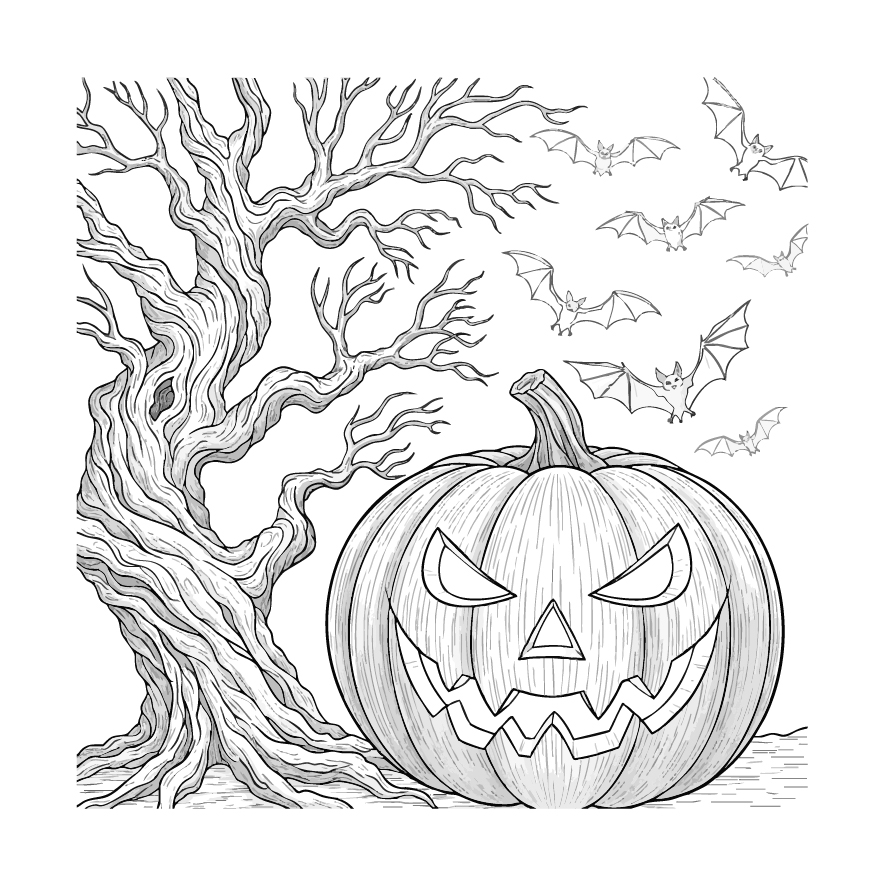
Halloween
Difficulty:~ -

Respect for the Aged Day
Difficulty:~ -
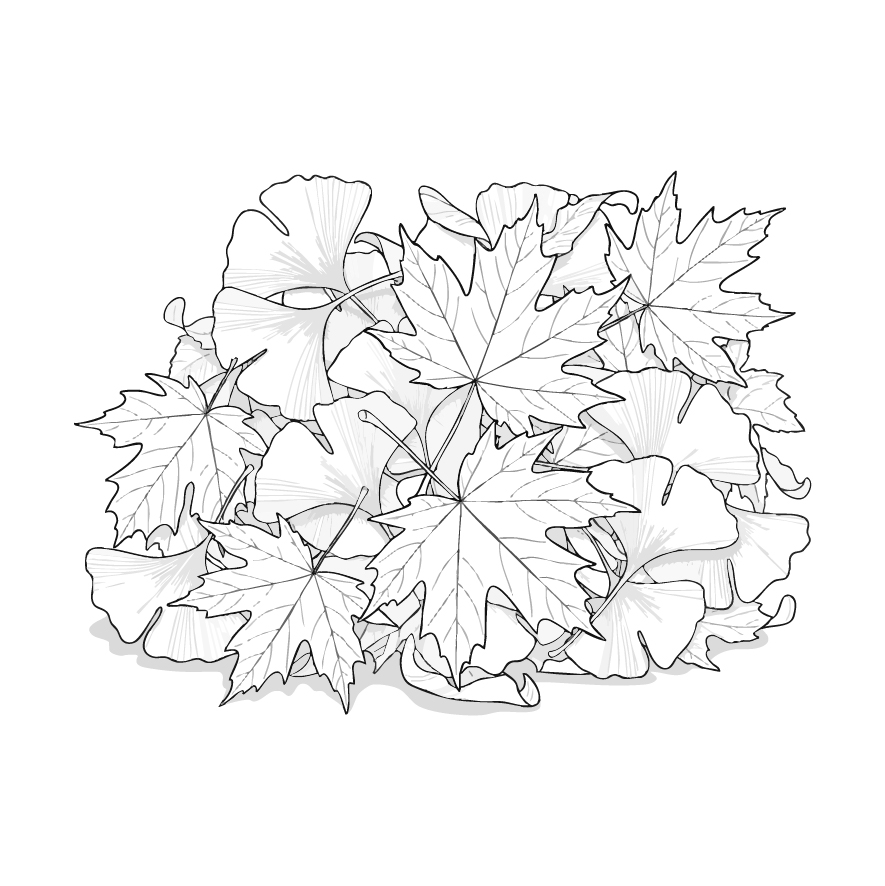
Momijigari (Autumn Leaf Viewing)
Difficulty:~ -
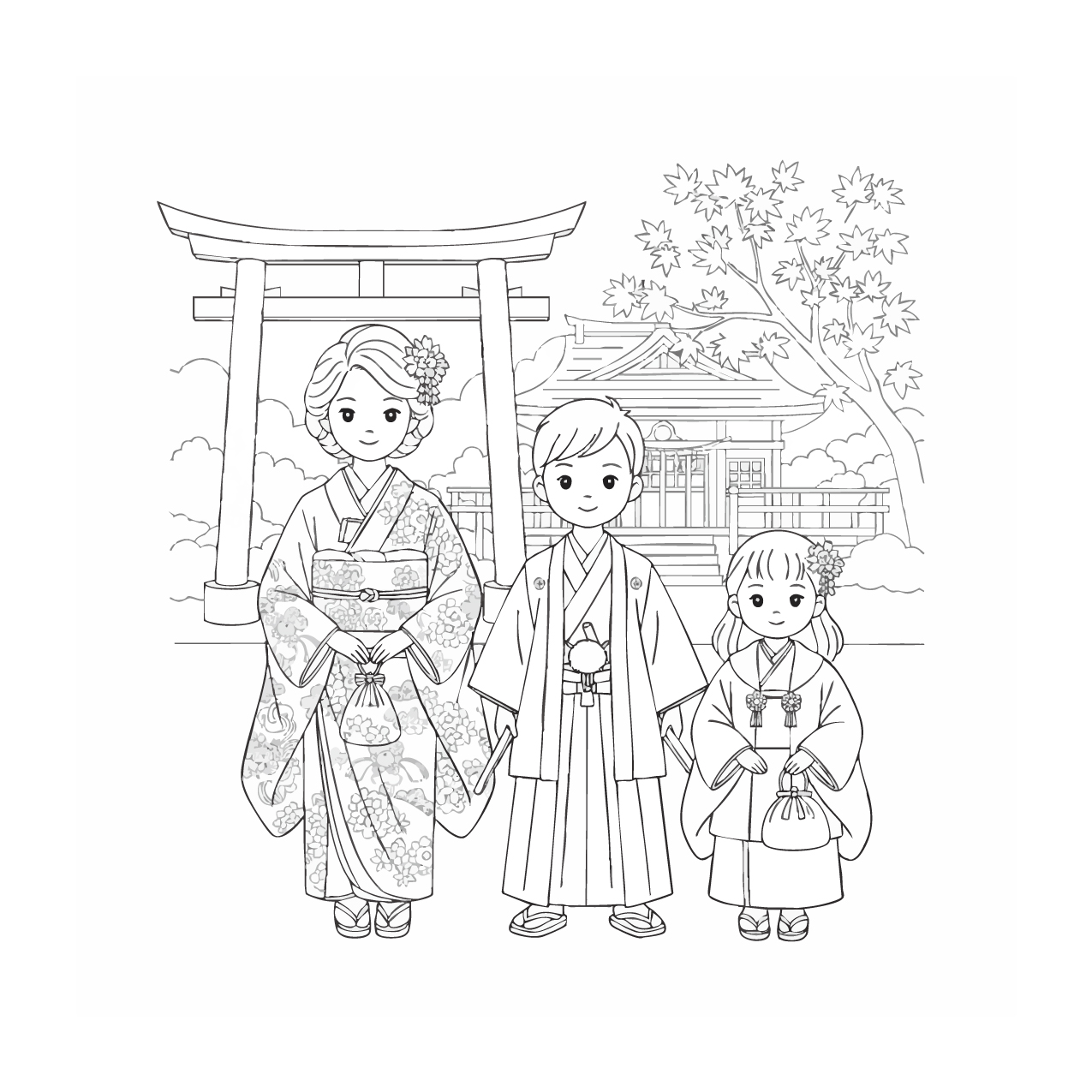
Shichi-Go-San (Children's Shrine Visit)
Difficulty:~ -
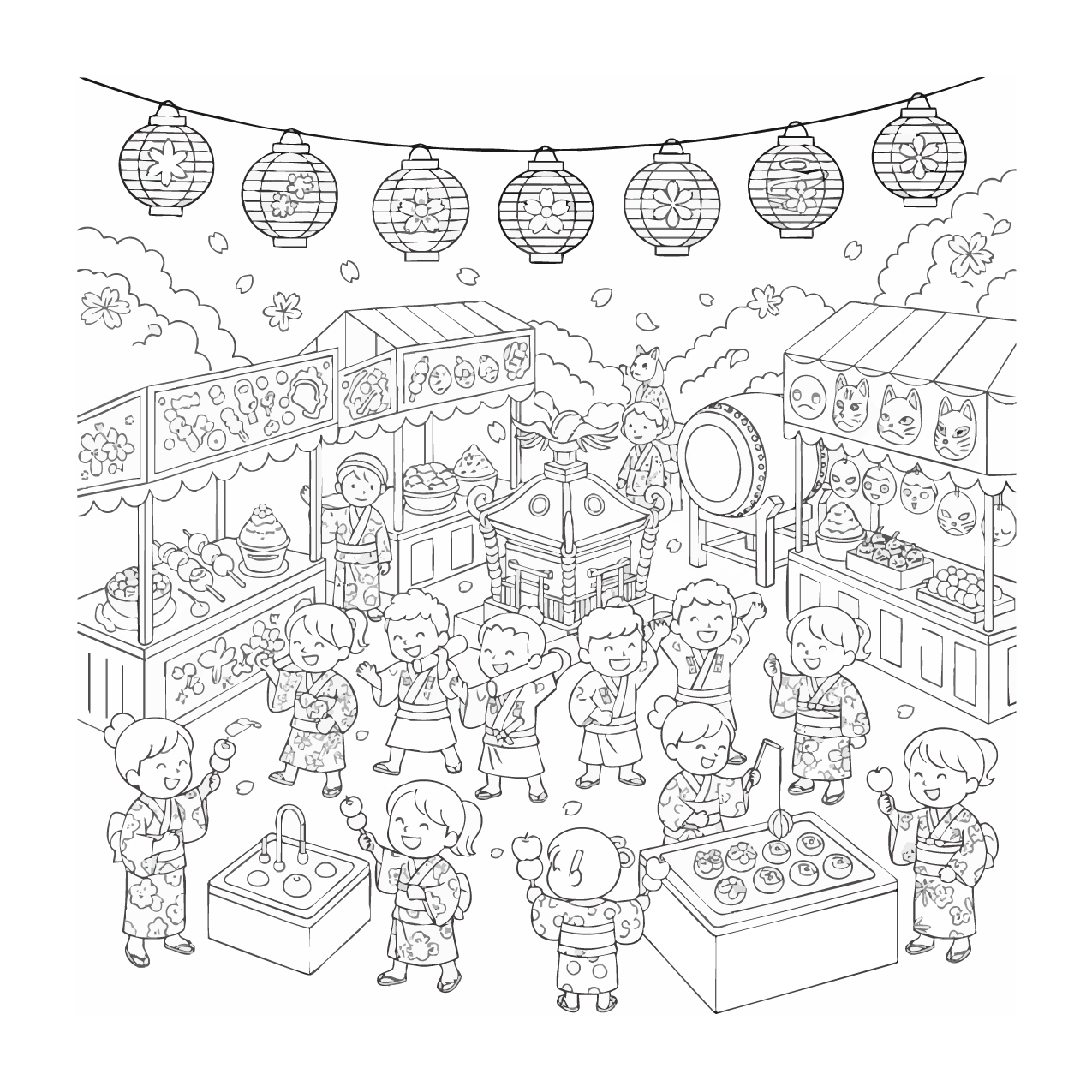
Japanese Autumn Festival
Difficulty:~ -
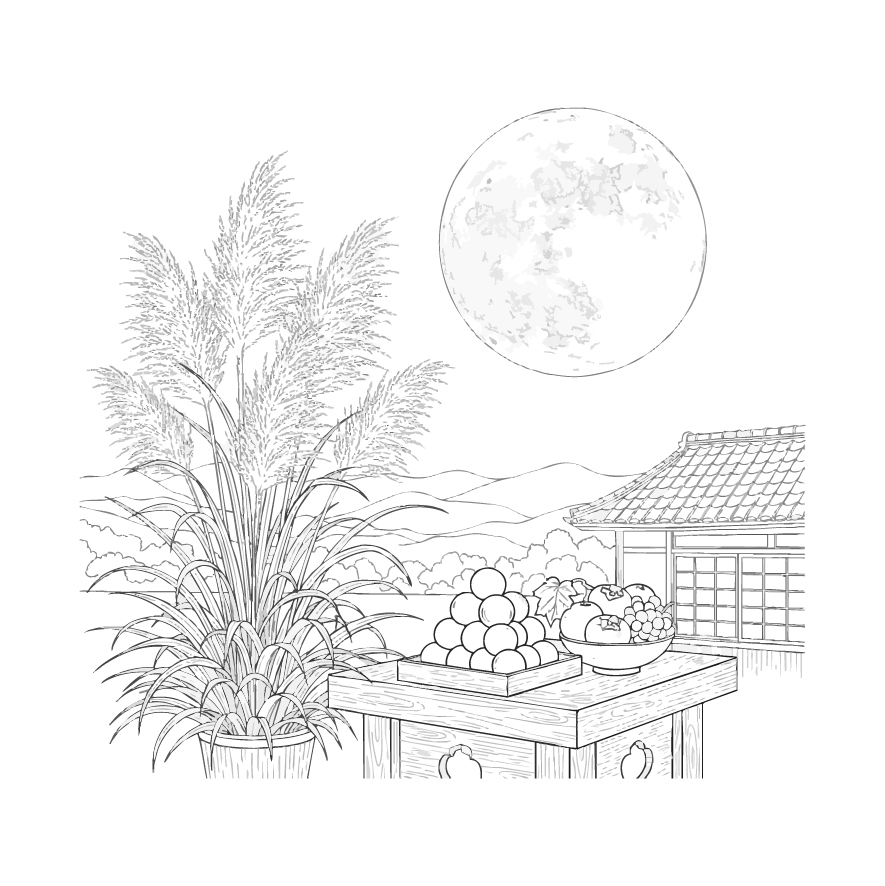
Tsukimi (Moon Viewing)
Difficulty:~ -
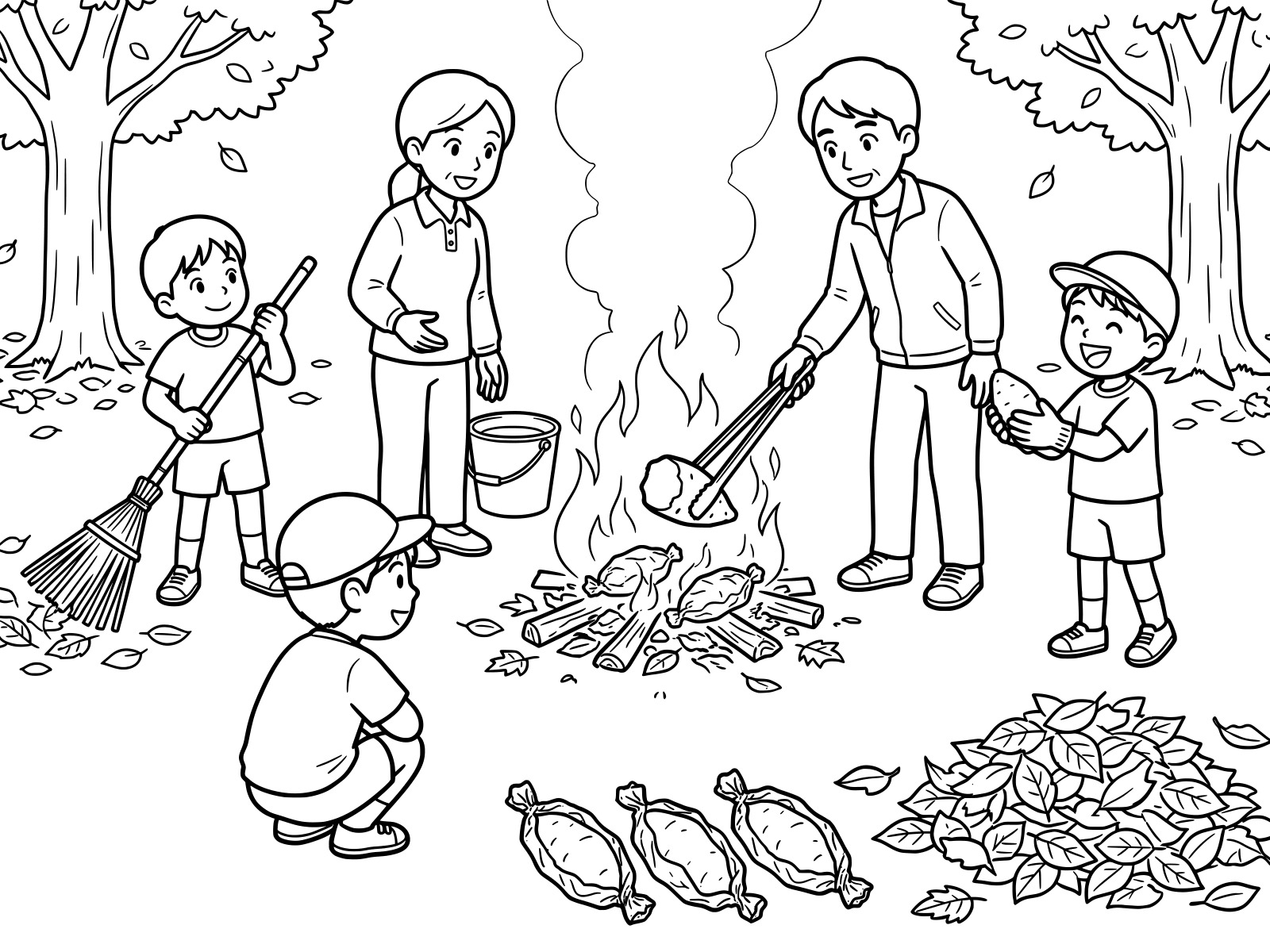
Roasted Sweet Potato Event
Difficulty:~
-
Large Sweet Potato
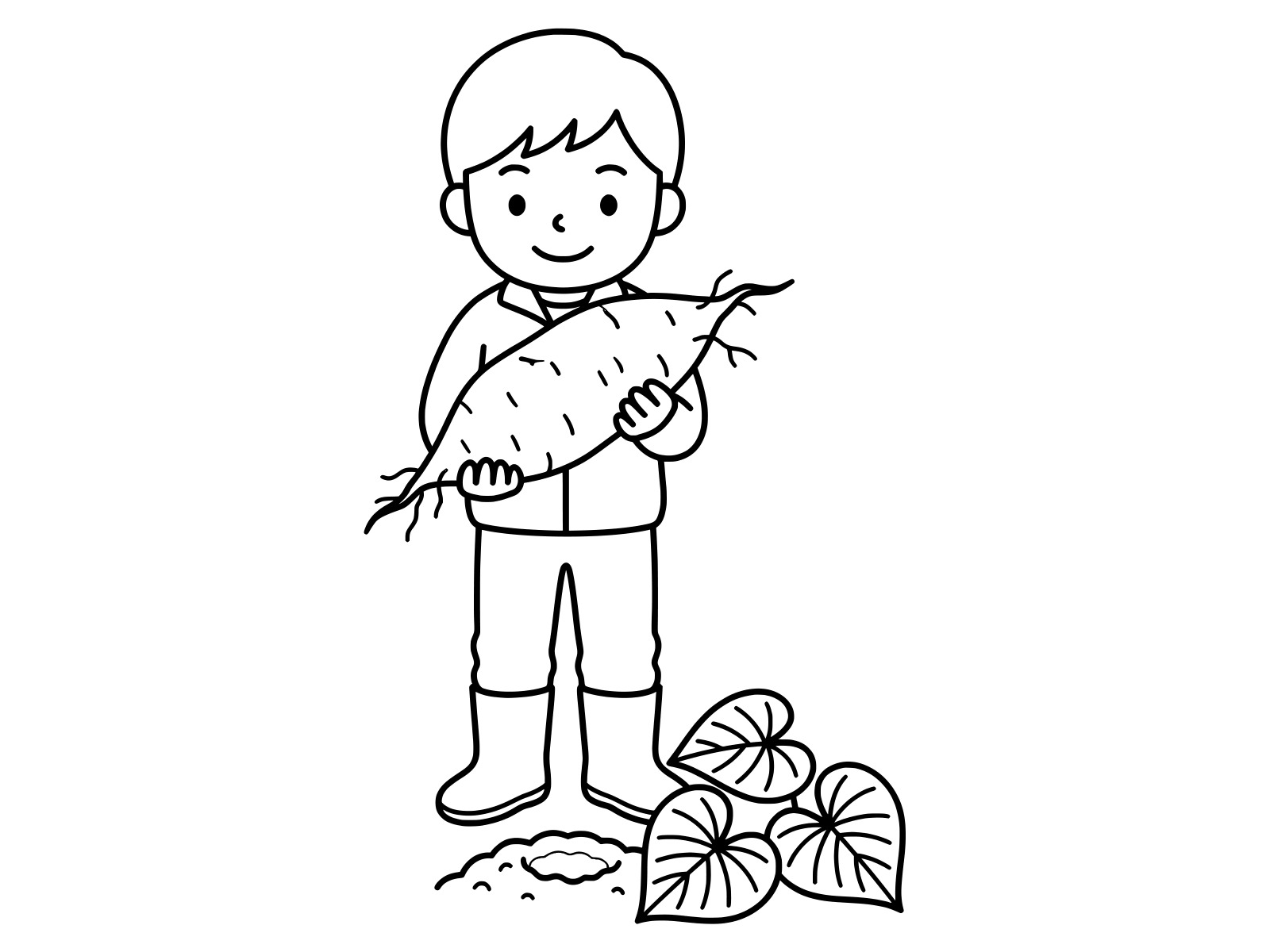
-
Sweet potato digging with everyone
-
-
Sweet potato digging in a potato field (detailed)
-