Camel Coloring Pages

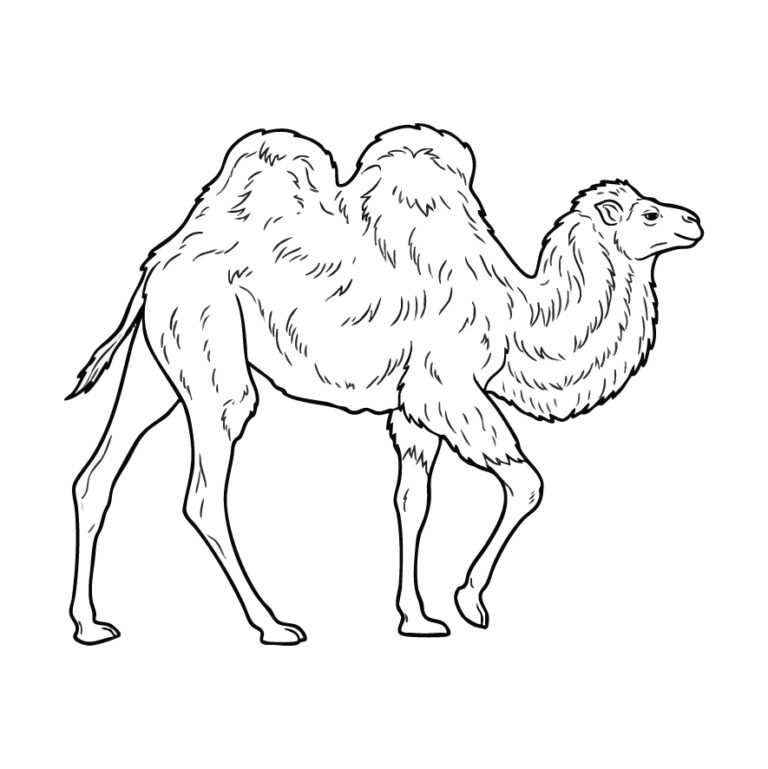

About Camel
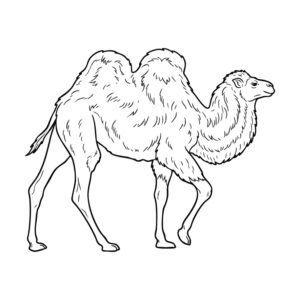
A Body Full of Tricks to Survive in the Desert Camel is an animal with a special body that can live in super hot and dry deserts. You might think the hump on its back holds water, but it is actually filled with fat! When there is no food, Camel turns this fat into energy. This lets Camel keep walking for many days.
Where Its Name Comes From
Camel's name is connected to its special look and job.
-
English Name: In English, people call this animal Camel.
-
Where the English Name Comes From: People say this word comes from old words that mean "beautiful" or "reward." People were very thankful for Camel because it helped them travel through the desert.
-
Where the Japanese Name Comes From: The Japanese name for Camel comes right from the Chinese word for it.
Where It Lives and What It Eats
-
Countries Where It Lives: Camel mostly lives in places like Mongolia, China, the United Arab Emirates, and Egypt.
-
Where It Makes Its Home: Camel lives in dry grasslands and deserts where almost no plants grow.
-
What It Eats: Camel is a plant-eater. It eats grass and leaves. It can even eat prickly desert plants using its thick lips! Camel can drink more than 100 liters of water at one time. But it can also go without water for over a week.
Its Sound and Amazing Skills
-
Its Voice: Camel makes a low rumbling sound in its throat. It makes a big loud sound when it is angry or calling its friends.
-
Desert Shield: Camel has long, thick eyelashes to keep desert sand out of its eyes. It can even close its nostrils tight during a sandstorm!
-
Heat-Proof Feet: The bottoms of its feet are like big, soft cushions. This helps Camel walk on hot sand without sinking or getting burned.
How to Color Camel
Here are some tips to make your Camel look like it is in a real desert!
Show the Texture of the Fur
-
Camel fur can be coarse or fluffy, depending on the type of Camel.
-
First, color the whole body with light brown or beige. Then, draw lots of short dark brown lines around the humps and under the neck. This will make it look like real fur!
Make the Humps Look 3D
-
The humps on the back are special to the Camel! Add a shadow on one side of the humps with a little bit of dark brown. This makes them look round and heavy.
-
A healthy Camel full of fat has firm, upright humps. Try coloring them while thinking about their shape!
Try Fun Ideas for the Desert Background
-
Draw sand dunes at the feet using yellow or light orange.
-
Color the sky bright blue and draw a hot, shining sun in the corner. This will make a wonderful picture that feels just like a hot desert!
Fun Facts About Camel
Is Water Really Inside the Hump?
The big hump on a Camel's back looks like it is full of water, but it is actually all fat! Camels store energy in their humps. This gives them amazing stamina so they can survive for many days in the desert without food or water.
A Cool Face That Protects Against Sandstorms
Camel has cool secrets on its face so it can walk through harsh desert sandstorms. It has super long eyelashes to keep dirt out of its eyes, and it can even close its nostrils tight! It is the perfect setup to block the sand.
Hot Sand Is No Problem at All
The desert ground gets hot enough to burn you in the summer, but Camel can walk on it easily. The bottoms of its feet are like big, thick cushions. They help Camel not feel the heat and keep its feet from sinking into the soft sand.
Camel Drinks a Huge Amount of Water at Once
Even though there is no water inside its hump, Camel drinks a huge amount when it is thirsty! Believe it or not, Camel can drink over 100 liters of water in just 10 minutes. That is like gulping down about half a bathtub full of water all at once!
Share These Camel Coloring Pages


-
Camel
-