Japanese white-eye Coloring Pages
 ~
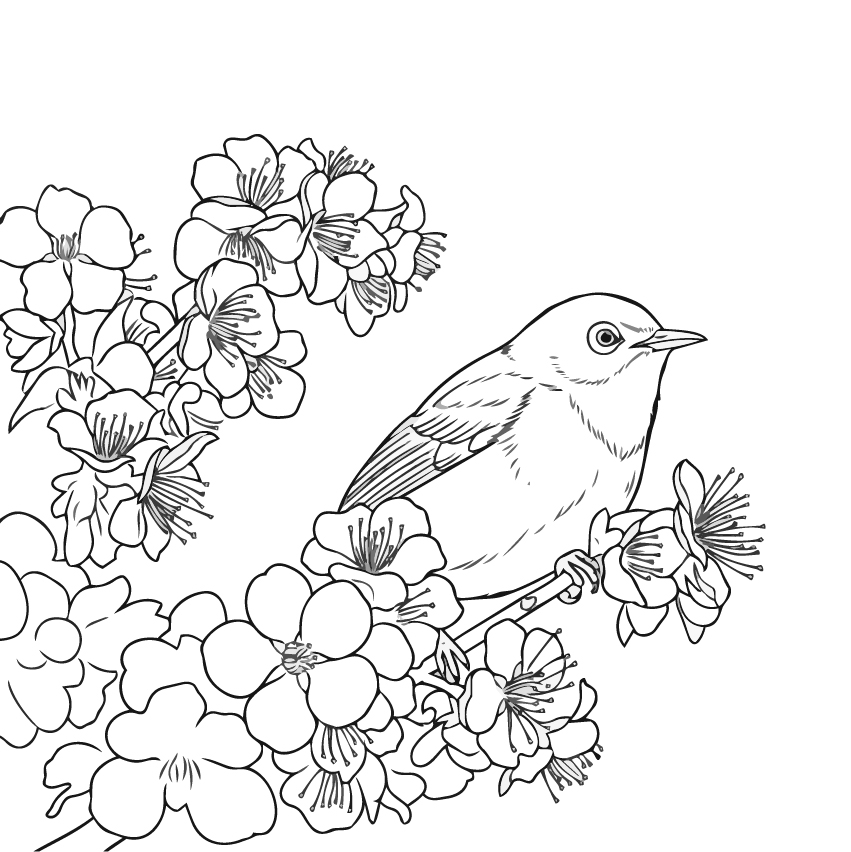
~ 
About Japanese white-eye
Where the Names Come From
The Japanese white-eye gets its name from how it looks!
-
Japanese name: It has soft white feathers packed around its eyes. They look like little white rings! That is why it is called "Mejiro" (white eye) in Japan.
-
English names: People call it the "Japanese white-eye" or "Warbling White-eye." "White-eye" comes from its white eye rings. "Warbling" stands for its cheerful, singing voice!
-
Scientific name: Zosterops japonicus. "Zosterops" is a Greek word. It means "eyes with a belt around them."
How They Look and Live
The Japanese white-eye is about 12 centimeters long. It is a tiny bird, even smaller than a sparrow!
-
Feather colors: Its back is dark olive-green. Its throat is a bright yellow. Its belly is a soft off-white color.
-
Super moves: It is super light and quick! It can balance on thin twigs easily. When it flies, it spreads its wings wide and zips around quickly in the air.
-
Friendly nature: They love to hang out together. In winter, many of them squish side by side on a branch to stay warm! In Japan, people use the phrase "Mejiro-oshi" when things are super crowded, named right after these cozy birds.
Where They Live and What They Eat
The Japanese white-eye lives across East Asia. In Japan, you can spot them all year long in forests, parks, and home gardens.
-
Yummy food: They eat many things, but they love sweet flower nectar and sweet fruits best! They have a brush-like tongue that scoops up nectar quickly.
-
Flower friends: In early spring, they visit plum blossoms. Next, they move on to cherry blossoms to sip sweet nectar. As they fly around, they carry pollen and help new flowers grow!
How to Color Japanese white-eye
How to Color Bright Japanese White-eye Colors
When you color a Japanese white-eye, the white eye-ring and yellow-green back are the most important parts.
-
The white eye-ring: You can leave the ring around its eye white. Or press down hard with a white colored pencil. This makes the ring stand out nicely!
-
The yellow throat: Start with bright lemon yellow from its throat to its chest. Add a little orange or light green in the shadowy parts. This makes the feathers look soft.
-
Shading on the back: Do not use just one color for the yellow-green back. Lightly layer yellow, yellow-green, and dark olive green. The feathers will look shiny and real!
Tips for Coloring Spring Backgrounds
The Japanese white-eye is often drawn together with spring flowers.
-
Coloring plum and cherry blossoms: For plum blossoms, use deep pink, red, and white. Color the branches strong and bold! For cherry blossoms, use soft pink and white. Make it look like flowers are showering down everywhere.
-
Creating depth: Lightly blend sky blue or pastel yellow into the background. It will look like a warm, sunny spring day.
-
Showing movement: If the bird is flying, mix a little white at the tips of the wings. Color softly to show speed and energy flying through the air!
Little Details to Make You a Great Observer
When you color the small bird parts carefully, your picture comes to life!
-
The beak and feet: Make the beak look sharp. Dark gray or bluish black works best. The feet are thin, but use brown and dark gray shadows to show how tightly they grip the branch.
Fun Facts About Japanese white-eye
The Name Comes From "Around Its Eyes"
The name Japanese white-eye comes from the "white ring" pattern around its eyes. It is also called "white-eye" in English, so it is fun that people all over the world see it the same way.
Often Mistaken for a Bush Warbler?
The Japanese white-eye has very pretty "yellow-green" feathers. In spring, it often visits plum and cherry trees, so people often mistake it for a Japanese bush warbler, which is another spring bird. A real Japanese bush warbler has a more brownish color.
It Really LOVES Sweet Things!
The Japanese white-eye loves "sweet things" like flower nectar and fruit juice. The tip of its tongue is split like a brush. It has a special mouth that helps it lick up nectar deep inside flowers very well.
The Origin of "Mejiro-oshi"
When lots of people gather and line up tightly together, it is called "mejiro-oshi" in Japanese. This word actually comes from a "habit of the Japanese white-eye." Japanese white-eyes like to squeeze close together on a tree branch, and people made this word from that cute sight.
Share These Japanese white-eye Coloring Pages


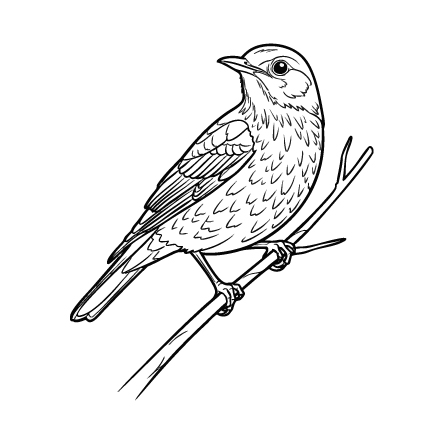
-
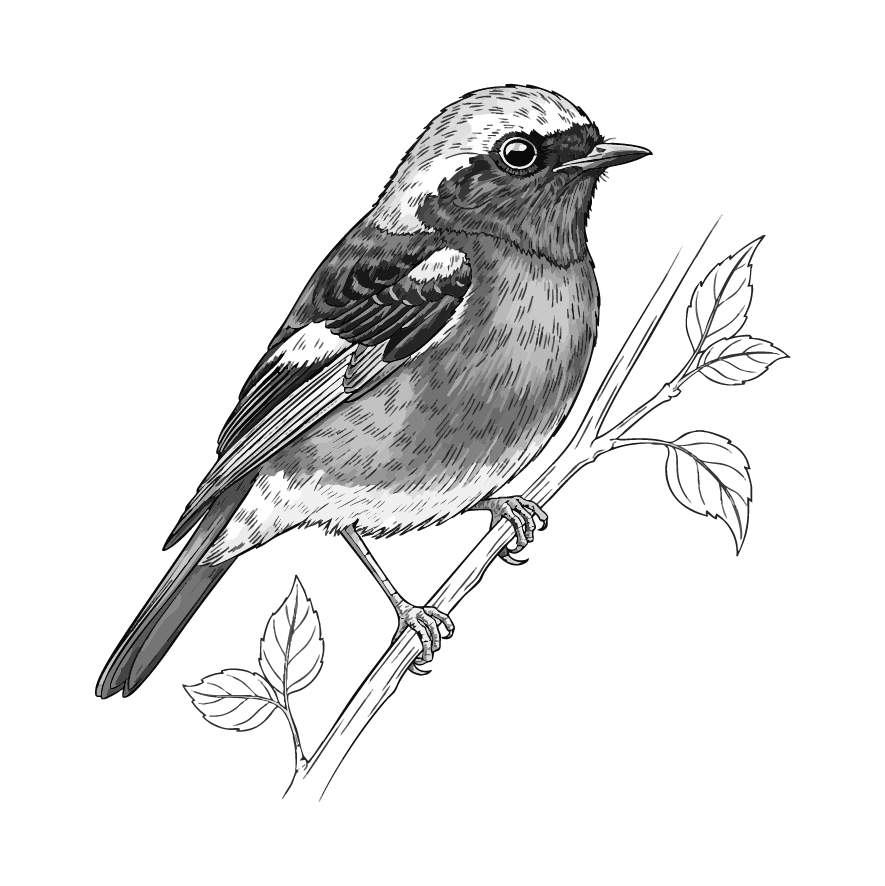
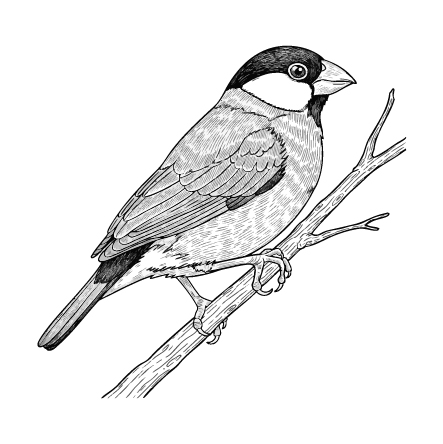
Japanese white-eye
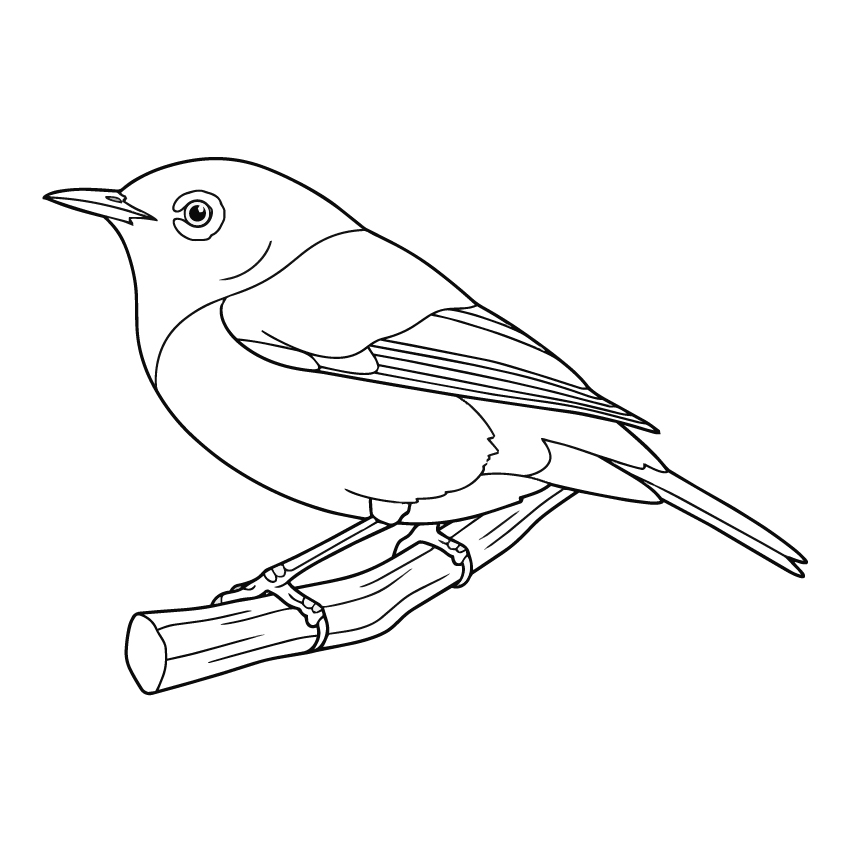
-
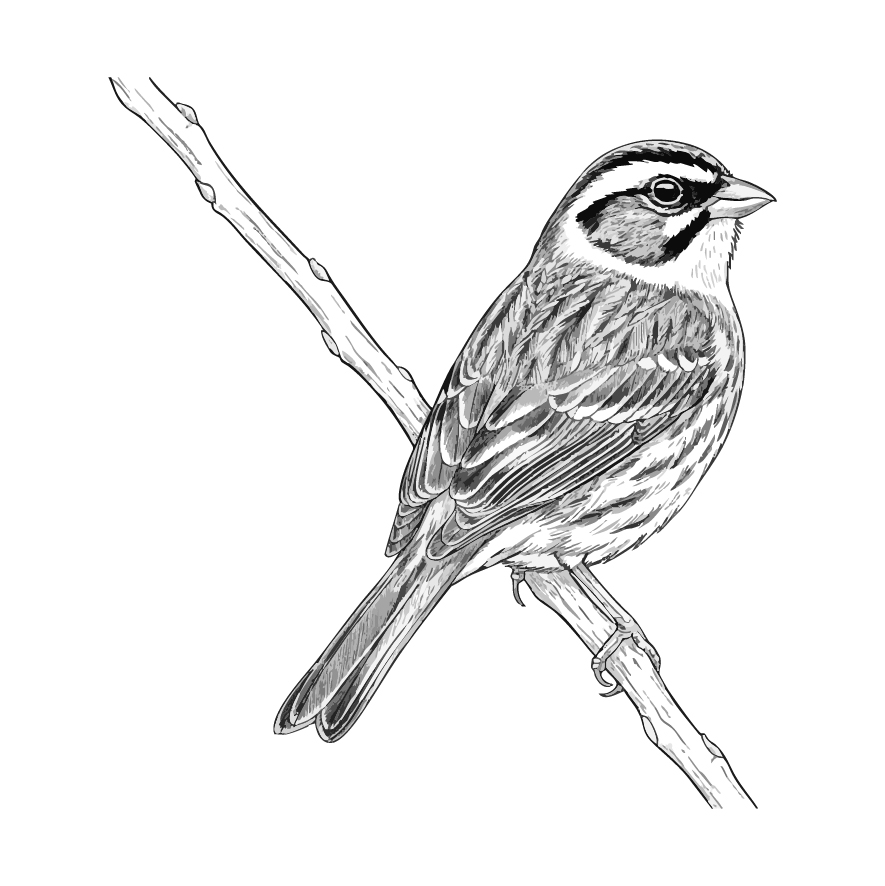
Japanese White-eye 2
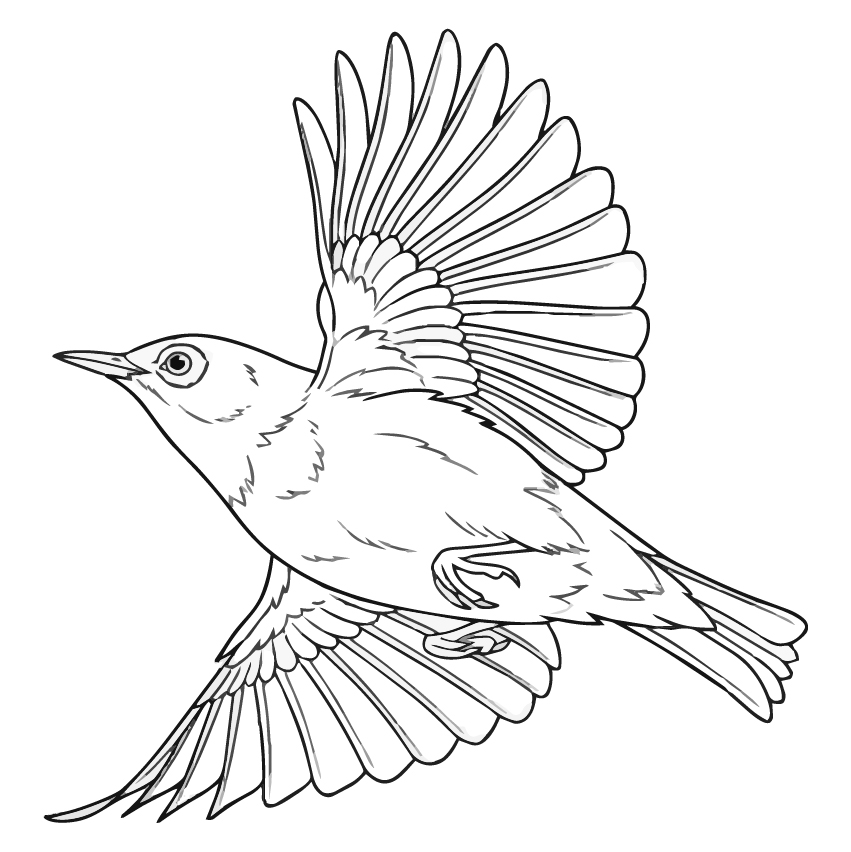
-
-
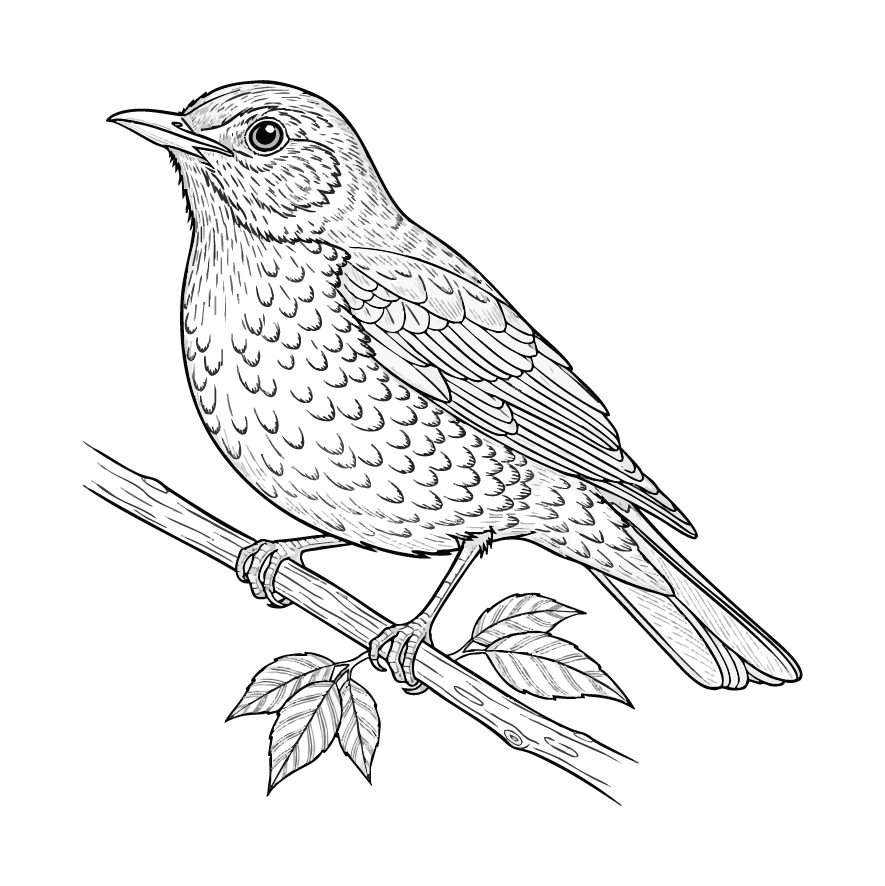
Japanese white-eye and plum blossoms
-
Japanese White-eye and Cherry Blossoms
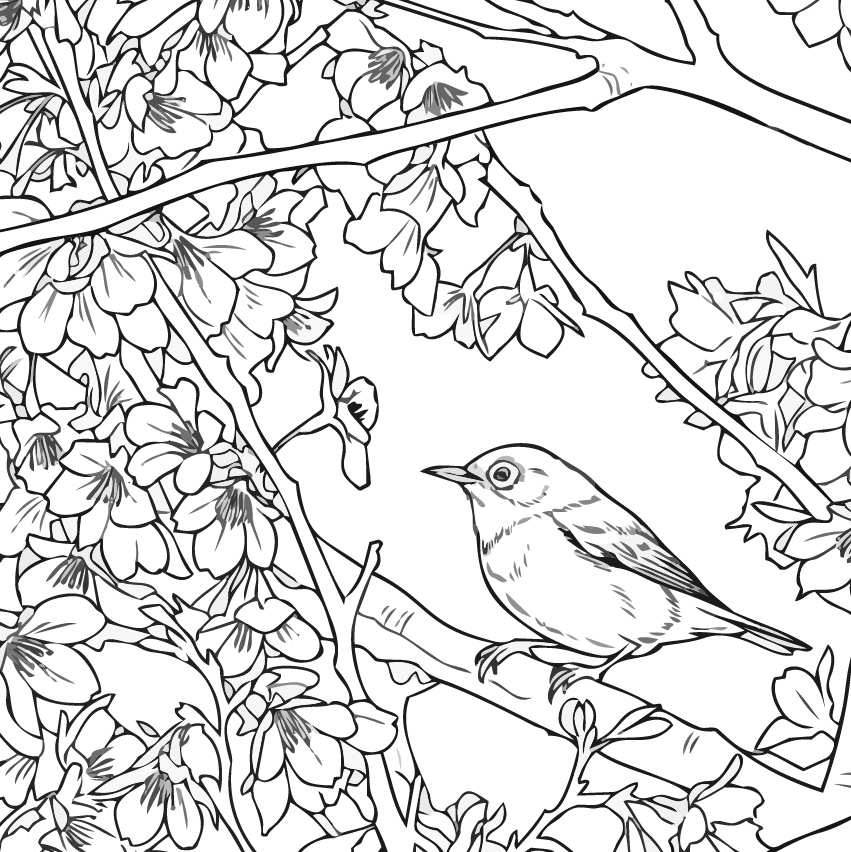
-