Kashiwamochi Coloring Pages

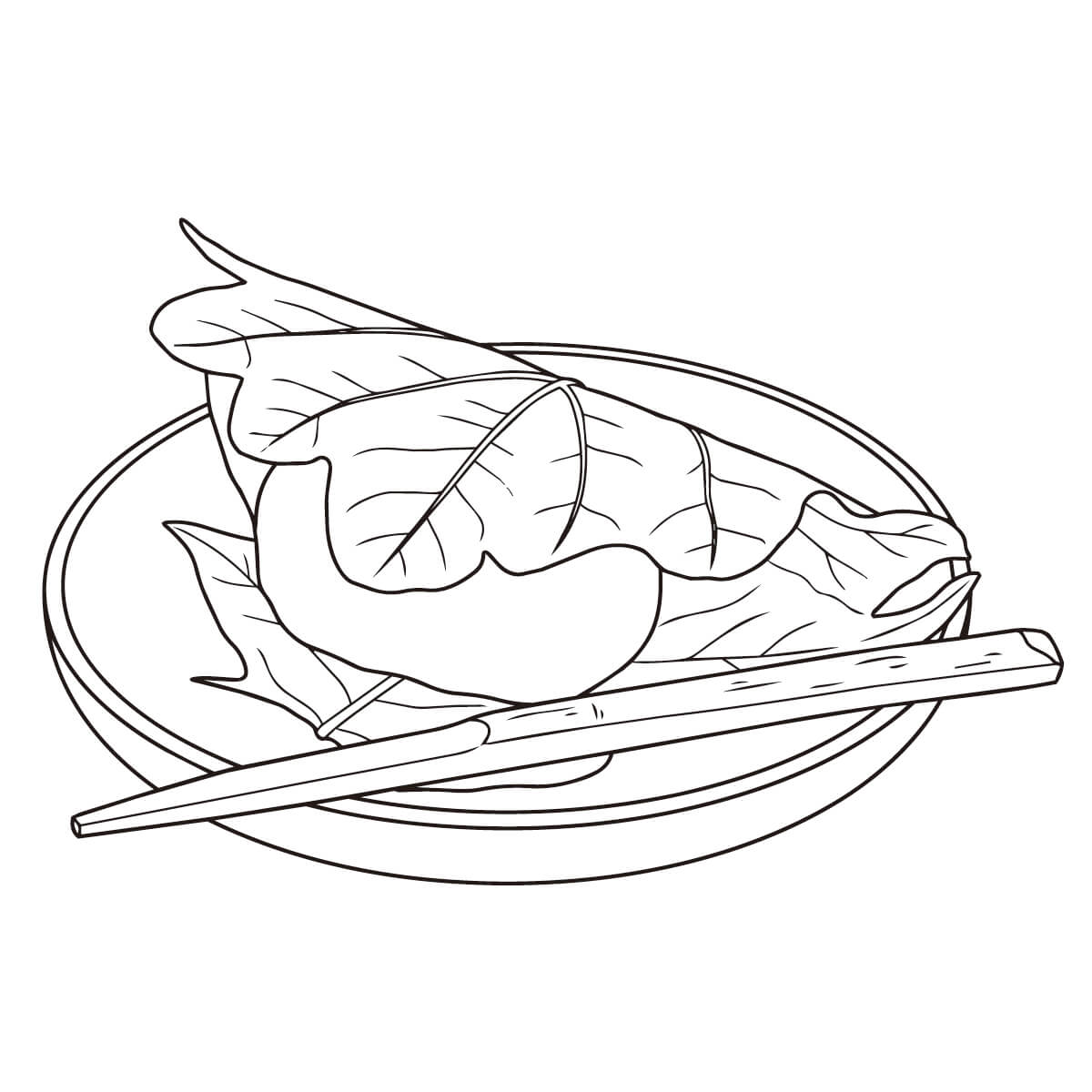
About Kashiwamochi
The Star of Children's Day! Lucky and Yummy Kashiwamochi
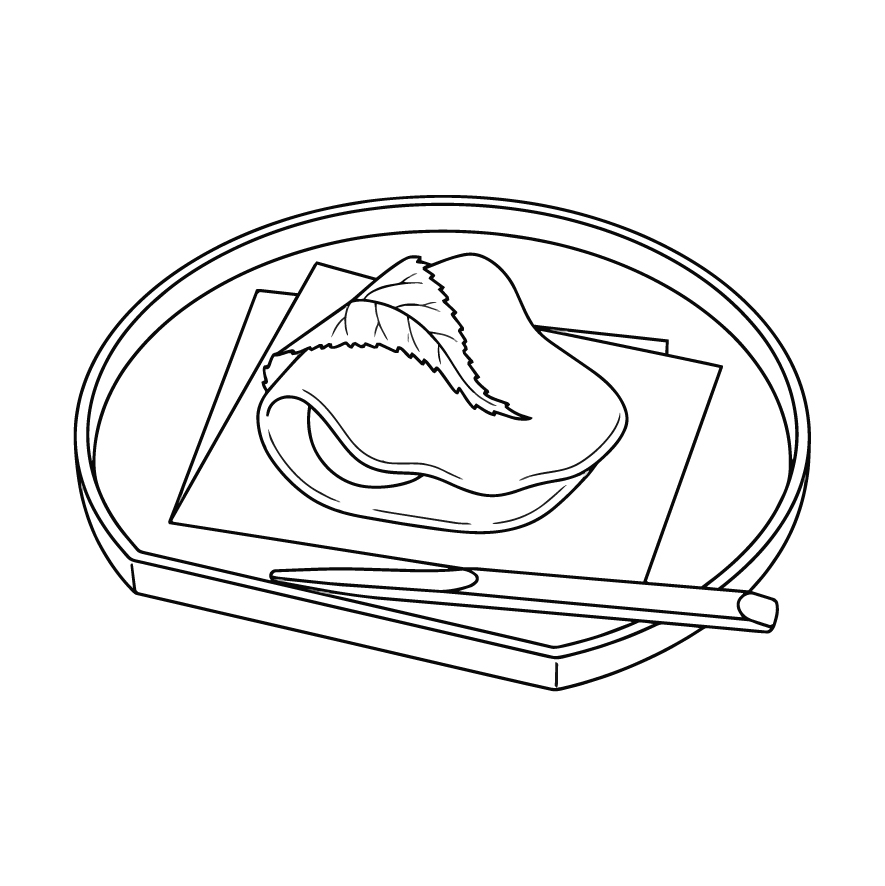
Kashiwamochi is a Japanese sweet eaten since the Edo period. It is a must-have food for Children's Day (Tango no Sekku) on May 5th. It is a white rice cake made from rice flour with sweet red bean paste inside. It is wrapped in a leaf from an oak tree. The oak leaf has a nice, special smell. That lovely smell moves to the rice cake and makes it taste even better!
The History and Wish Behind Kashiwamochi
People say Kashiwamochi was born in Edo (now Tokyo) in the middle of the Edo period. Why do we use oak leaves? That is because oak trees have a amazing secret: old leaves do not fall off until new buds grow! Because of this, it became a very lucky food. It shows "family prosperity", which means parents stay healthy until their children are born and grown.
How to Make Kashiwamochi
Here is a quick look at how people make Kashiwamochi!
- Make the rice cake: Mix rice flour with hot water, knead it well, and steam it in a steamer.
- Knead it more: Knead the steamed rice cake hard until it gets shiny. This makes it soft and chewy!
- Wrap the sweet bean paste: Flatten the rice cake into a circle. Put sweet red bean paste inside, and fold it in half.
- Finish it up: Finally, wrap the rice cake with a steamed oak leaf, and you are done!
East vs. West? Different Types of Kashiwamochi
Did you know? Kashiwamochi can look different depending on where you live!
- Kanto (Eastern Japan): Kashiwamochi made with real oak leaves has been the normal kind for a long time.
- Kansai (Western Japan): Oak trees did not grow well in the West long ago. So, people often wrapped them in round leaves from a plant called "China root" instead. Some places call this "Shiba-mochi."
- Types of sweet bean paste: Smooth bean paste and chunky bean paste are popular. But in places like Kyoto, Kashiwamochi filled with sweet "miso bean paste" is also famous!
How to Color Kashiwamochi
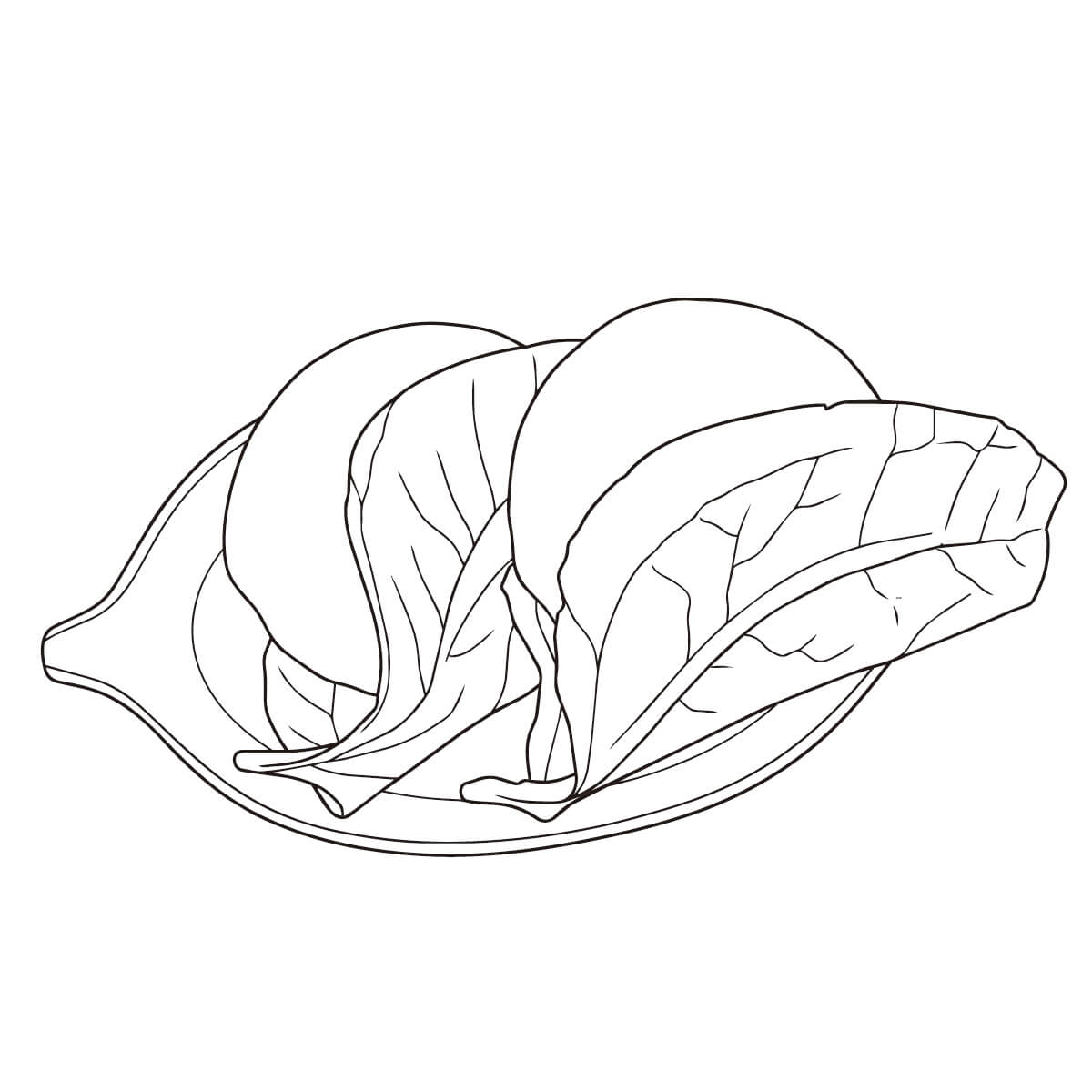
When you color the Kashiwamochi coloring page, try to think about the soft, chewy look of the rice cake and the natural feel of the leaf!
- Leaf Color: Fresh Kashiwa leaves are a pretty yellow-green. Leaves that have been steamed and saved are a slightly brownish dark green or brown. If you want it to look real, try layering a little bit of brown over the green.
- Leaf Lines: Kashiwa leaves have clear lines called veins. If you trace these lines with a slightly darker color, your leaf will look much more real!
- Rice Cake Color: The rice cake is white, but adding a faint gray or light blue shadow makes it look round and 3D. It is also fun to make green mugwort rice cakes or pink ones!
Let's get creative with the plate
Wooden plates and plates with traditional Japanese patterns look great with Kashiwamochi. Imagine your favorite plate and color it in!
Draw more in the background
Make your page lively by drawing carp streamers, samurai helmets, or green tea around your Kashiwamochi! It is also cool to paste on a helmet made from origami. Feel free to draw your favorite characters, pictures, or patterns, too!
Fun Facts About Kashiwamochi
Can you tell the filling by the "front and back" of the leaf?
When you have a lot of Kashiwamochi, there is a way to tell what kind of sweet bean paste is inside each one! Some shops use the leaves differently: if the back (rough side) of the oak leaf is facing out, it is "azuki bean paste." If the front (smooth side) is facing out, it is "miso bean paste."
People usually do not eat the oak leaf
Some people eat the leaf on Sakuramochi, but you usually do not eat the leaf on Kashiwamochi. Oak leaves are thick and tough. Their main job is to give the rice cake a nice smell, keep it from drying out, and protect it from germs. Enjoy that special smell after you peel the leaf off the rice cake!
"Chimaki" was the main treat at first
Eating Kashiwamochi for Children's Day actually spread as a unique tradition in Japan during the Edo period. A long time ago, and still in regions like Kansai today, it was common to eat "Chimaki," which came from China. The people of Edo thought Kashiwamochi was "good luck!" and made it popular, which led to the style we have today.
Share These Kashiwamochi Coloring Pages



-
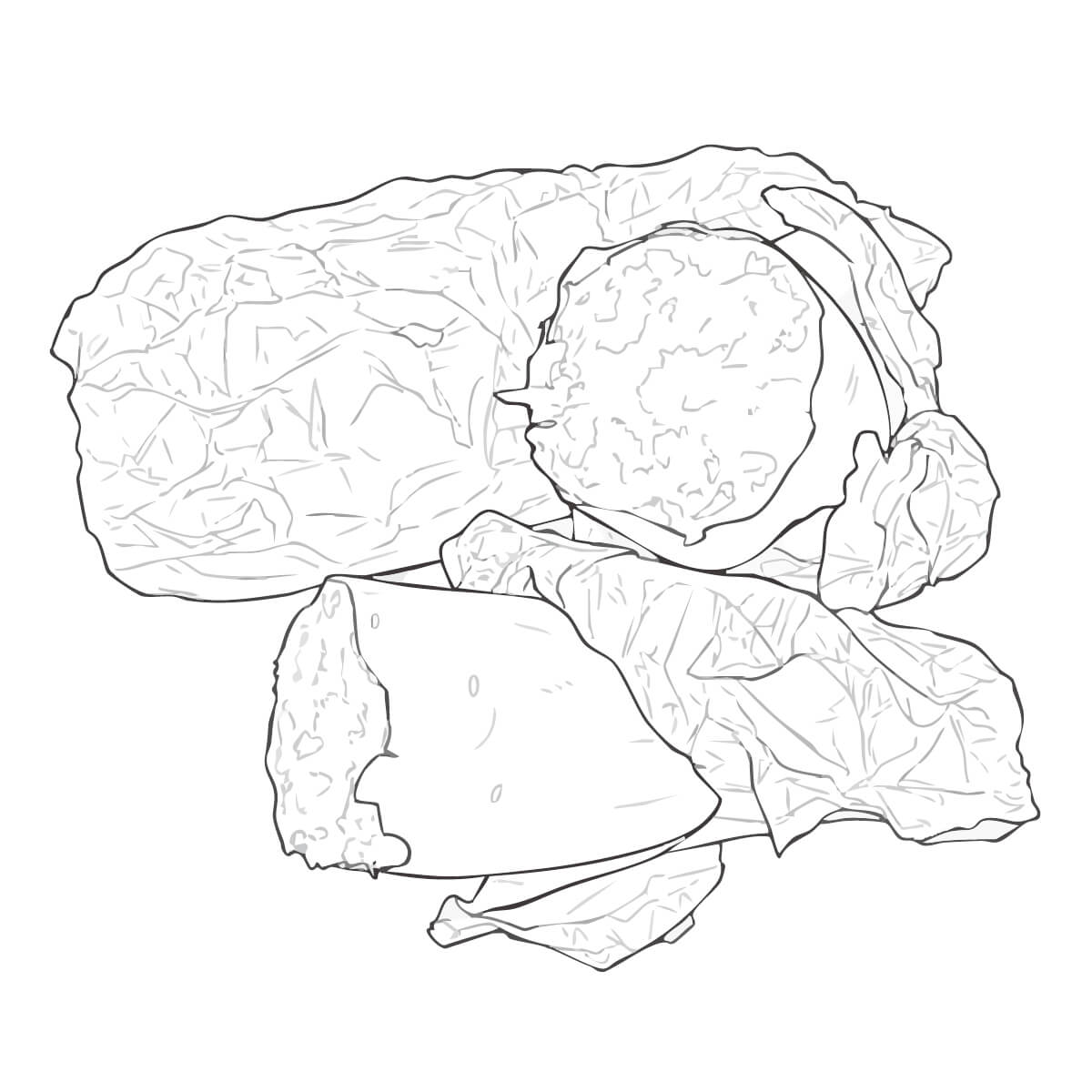
Kashiwa mochi of eastern Japan
-
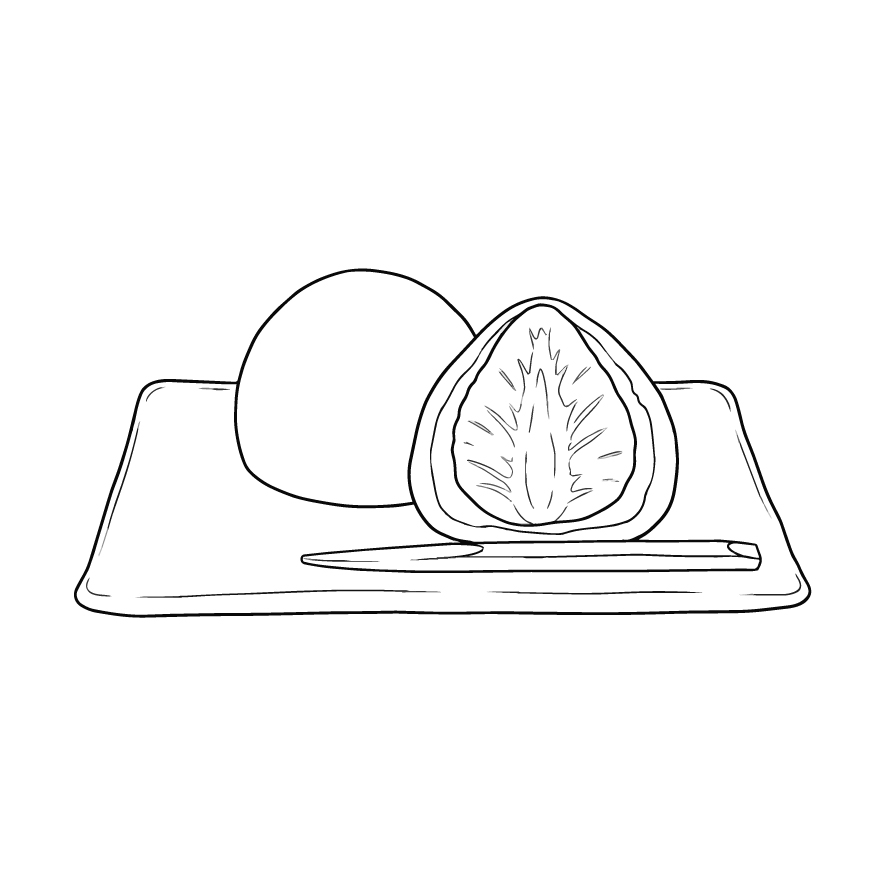
Kashiwa mochi of Western Japan (Sarutori-ibara mochi / Shiba mochi)
-