Propylea japonica ladybug Coloring Pages

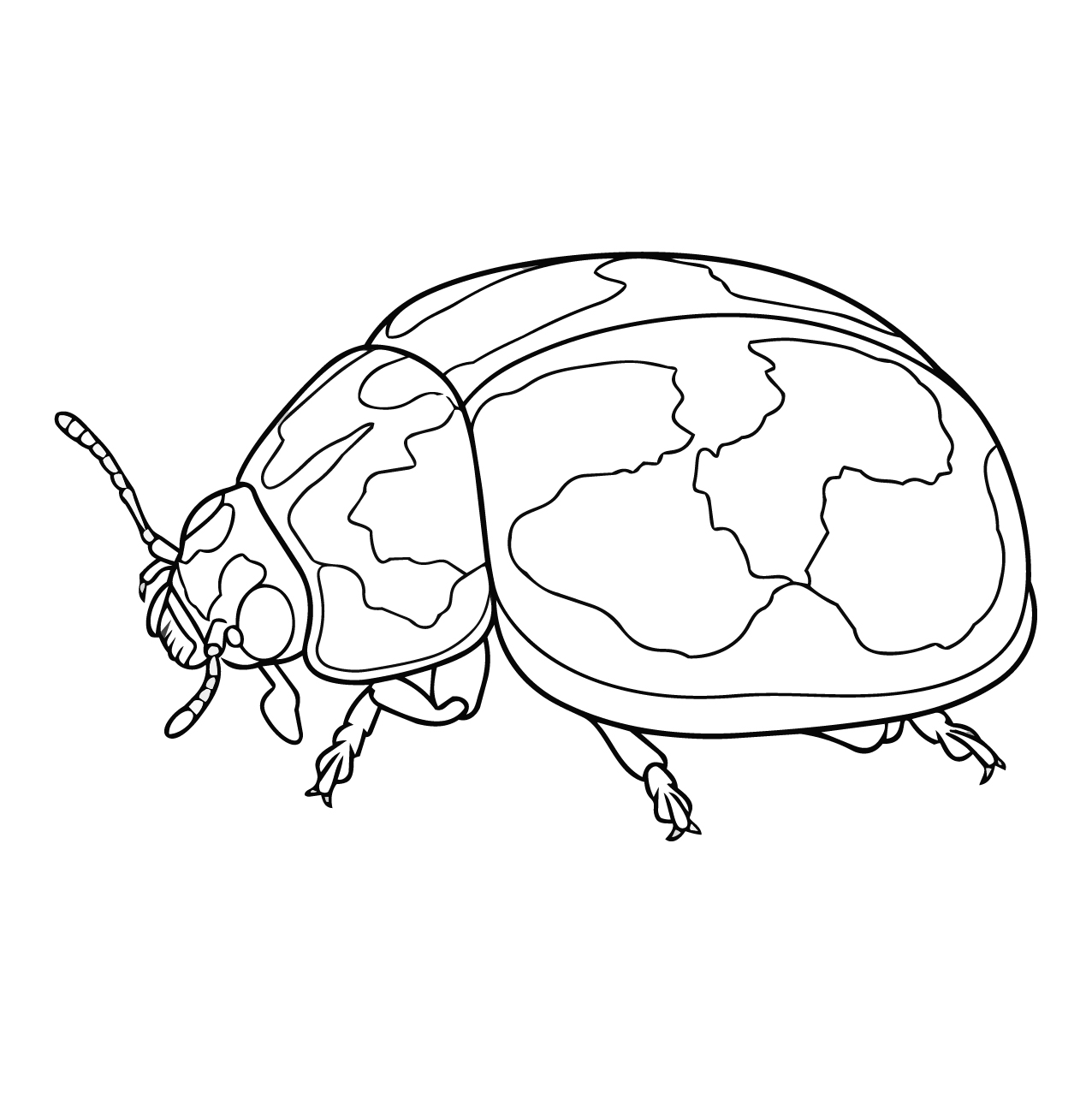
About Propylea japonica ladybug
The Secret of Its Name and English Name
The Propylea japonica ladybug has a wonderful meaning behind its Japanese name!
-
"Hime" means small and cute.
-
"Kamenoko" was given because the pattern on its back looks like a turtle shell.
-
In English, it is called the "14-spotted ladybird." That means a ladybug with 14 spots!
How Big Is It?
The Propylea japonica ladybug is a very small ladybug, just as its Japanese name suggests.
-
Its body length is about 4 millimeters (3.5 to 4.5 millimeters) long.
-
The famous seven-spot ladybug is about 8 millimeters long. So this bug is only about half that size!
-
It is super small, but if you look closely, you can see a cool turtle shell pattern!
When Can You See It?
The Propylea japonica ladybug is active from spring to autumn, around March to November.
-
During the cold winter, it gathers with many friends under tree bark or fallen leaves to hibernate.
-
When it gets warm and its food pops up, it comes out to say hello!
Where Does It Live?
It lives all over Japan (Hokkaido, Honshu, Shikoku, Kyushu, and Okinawa). It is a very common ladybug!
-
It loves places with lots of plants, like park grass, home gardens, farm fields, and riverbanks.
-
Because it is so small, look carefully under leaves and around plant stems to find one!
What Does It Eat? The Aphid Hunter
The Propylea japonica ladybug is a meat-eating insect that eats aphids, which suck juice from plants.
-
Even though it has a tiny body, it has a big appetite and eats tons of aphids!
-
Farmers and gardeners are very thankful for it. It is called a "helpful bug" because it eats pests that hurt plants!
How Long Does It Live?
It grows up very fast! It takes only about one month to go from egg to larva, pupa, and then adult.
-
Once it becomes an adult, it stays active for a few months.
-
It is a strong little creature that hatches many times a year to make new friends!
So Many Patterns! The Secret Design
The Propylea japonica ladybug is an amazing insect because its back pattern can look totally different, even in the same group!
-
Most have black patterns on a yellow background. But some have mostly black backs, and others have almost no pattern at all!
-
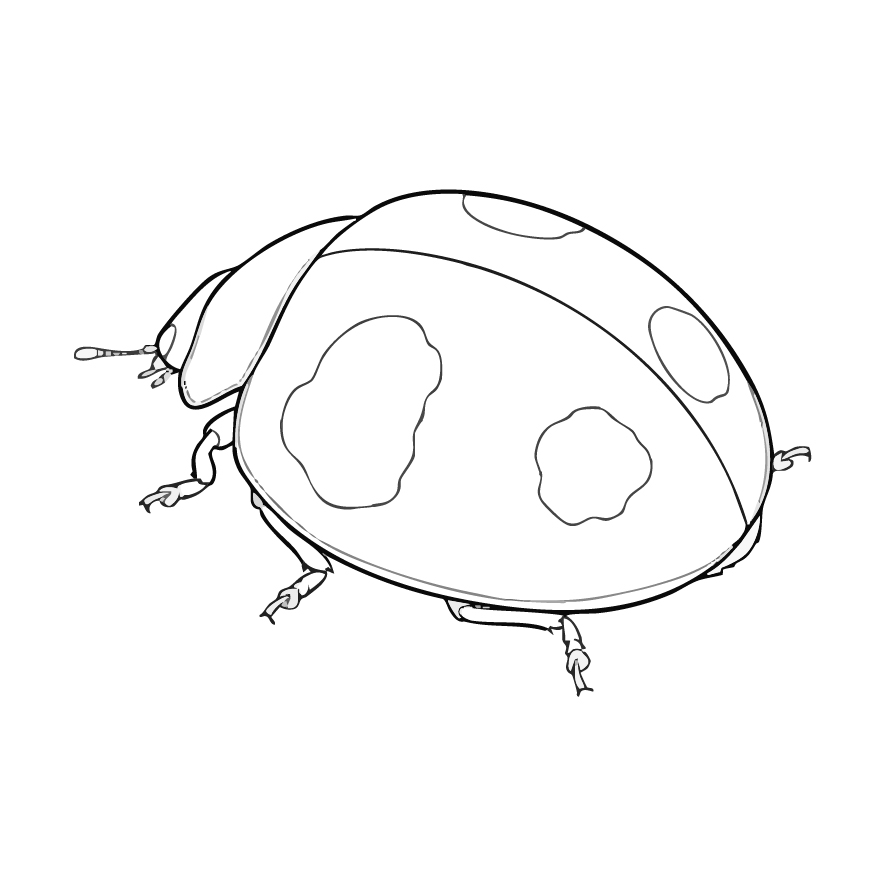
The turtle shell pattern on this coloring page is the most famous look!
What Does a Larva Look Like? Like a Tiny Alligator!
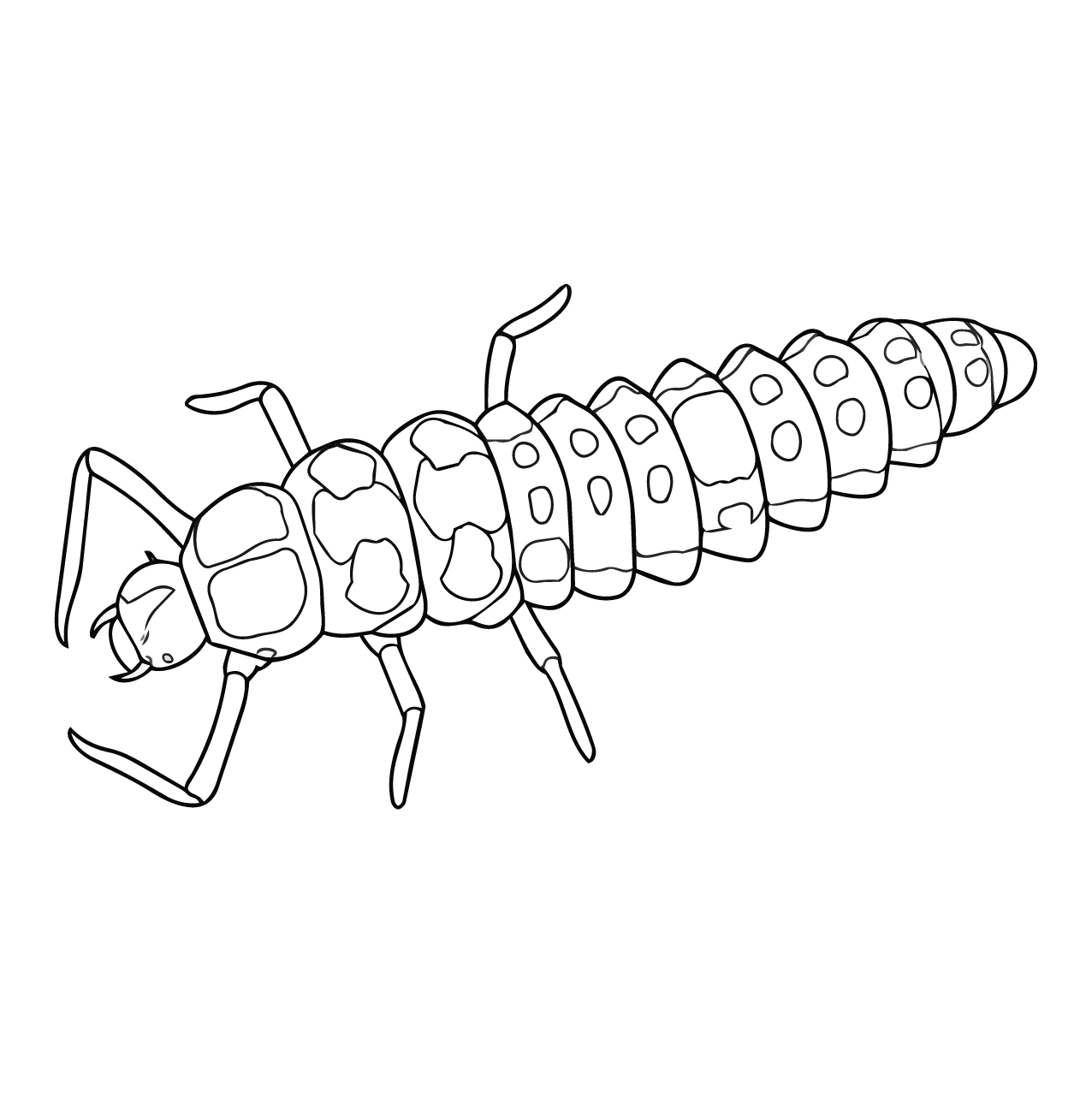
A baby Propylea japonica ladybug (a larva) looks totally different from a round adult ladybug.
-
Its body is long, thin, and spiky, just like a "tiny alligator!"
-
Larvae love to eat aphids just like the adults do! They are hard workers that walk around looking for food.
How to Color Propylea japonica ladybug
How to Choose Colors: Yellow and Black Combination
Let's color it in the most popular colors of the Propylea japonica ladybug!
-
Main Color: Try coloring the base of the back with "bright yellow" or "cream color".
-
Pattern Color: If you color the turtle-shell pattern with "deep black", the yellow will really pop and look super cool.
-
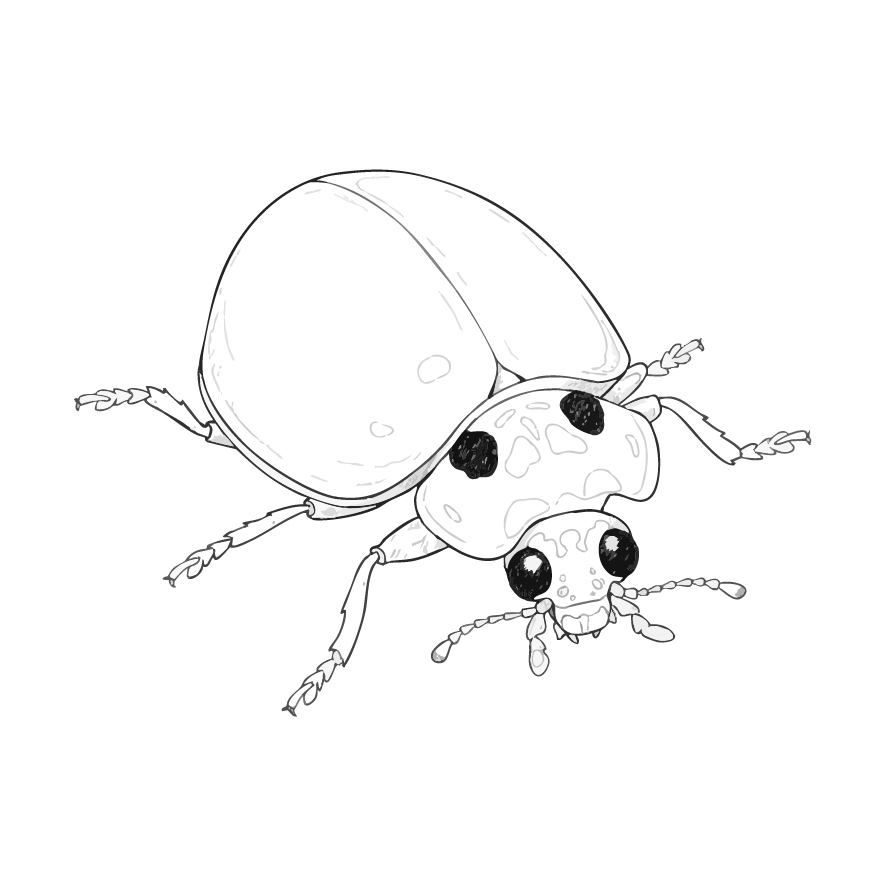
Thorax: The spot right behind the head also has black patterns on a white background.
Tips for Coloring a Cool Larva
For the larva coloring page, let's use "strong-looking colors" that look different from the grown-up!
-
Body Color: We recommend "gray or bluish black" for the whole body.
-
Accent Colors: Try coloring part of the pattern on the side of its body with "orange or white". It will look like a real larva!
-
Leg Color: If you color the six legs with a strong black, it will look like it is walking with power.
Make It Shiny and Real!
The back of a Propylea japonica ladybug is shiny, just like a freshly washed car.
-
Add Highlights: The secret is to "leave a tiny bit of white" on the roundest part of the back!
-
If that is too tricky, just add a little spot of light at the end with a white crayon or pen. It will give it a shiny look.
Color the Patterns Carefully
This coloring page has very detailed patterns.
-
Color the Edges First: First, trace the lines of the pattern in black. Then fill in the inside. This helps you color neatly without going outside the lines.
-
Your Own Pattern: It does not have to match the real bug! It is fun to make your own original colored Propylea japonica ladybug, too.
Draw a Background and Cheer It On!
-
Favorite Leaves: Try drawing "green leaves" under its feet. Think of delicious-looking leaves where aphids might live.
-
Sunlight: Color the area around it with bright colors. Showing it in the warm spring sunshine will make the Propylea japonica ladybug look ready to zoom around!
Make the little aphid hunter, the Propylea japonica ladybug, shine brightly with your wonderful colors!
Fun Facts About Propylea japonica ladybug
The pattern on its back looks like a "turtle shell"!
The coolest feature of the Propylea japonica ladybug is the net-like pattern on its back that looks like a "turtle shell". Because it has this cool pattern, it was named as part of the "turtle-shell ladybug" family.
A super tiny ladybug
Just like its Japanese name "Hime" (which means small like a princess) suggests, its size is only "about 4 millimeters"! It is about half the size of the seven-spotted ladybug you might know well. It is much smaller and very cute.
A hero who eats aphids
Even though it has such a small body, it is a meat-eating ladybug that "munches on lots of aphids" that suck the goodness out of plants. It is active as a very reliable hero (helpful insect) that protects crops and flowers!
There are actually friends with many different colors!
The turtle shell pattern is the standard, but there are actually many variations of colors and patterns, such as "yellow patterns on black", "black patterns on yellow", and even "all black with no pattern at all". It is so mysterious that they look different even though they are the same kind!
Share These Propylea japonica ladybug Coloring Pages



-
Adult Propylea japonica
-
Propylea japonica larva
-