Yellow ladybird Coloring Pages
 ~
~ 
About Yellow ladybird
A Rare Ladybird That Eats Powdery Mildew Fungus
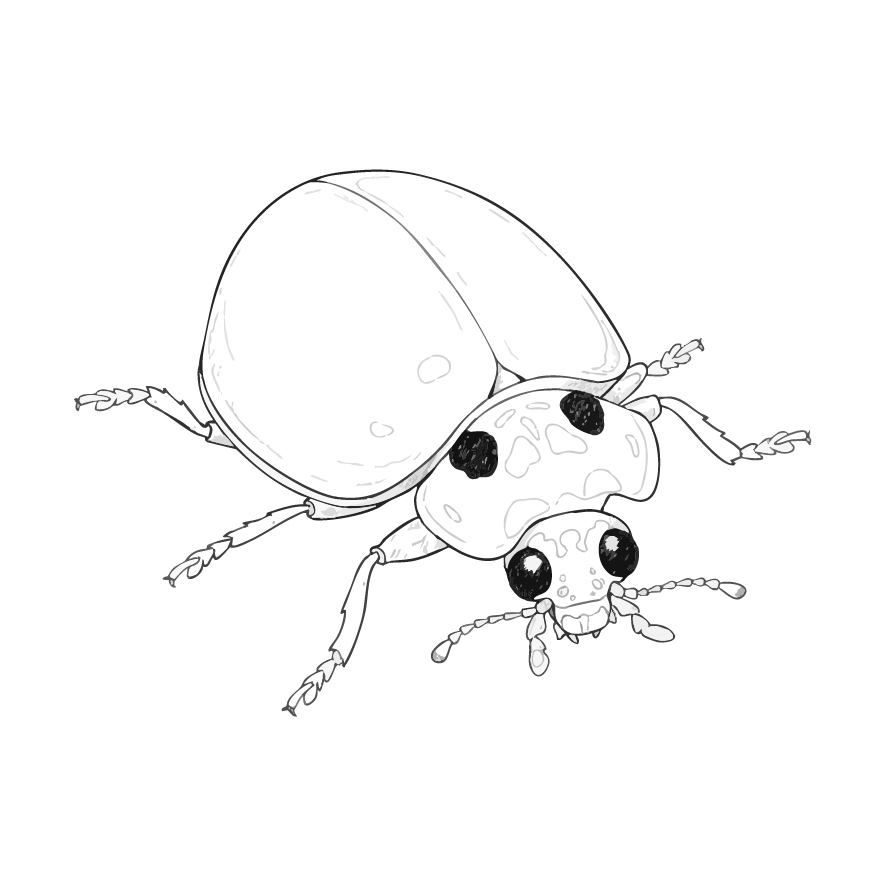
The Yellow ladybird is a member of the ladybird family. Normal ladybirds eat pests called aphids. But the Yellow ladybird has a very rare habit! It eats the mold (fungus) that causes a plant disease called "powdery mildew." Farmers love them as "helpful insects" because they eat plant diseases for us.
Where Its Name Comes From
The name of the Yellow ladybird comes from the color of its body.
- Japanese Name Origin: The Japanese name "Kiiro-tentou" means "Yellow Ladybird." Just like the name says, it got this name because its body is a bright yellow color.
- English Name: In English, it is called the "Yellow Fungus Lady Beetle." "Fungus" means fungi or mold. This name shows its habit as a yellow ladybird that eats mold.
What Are Its Habits and Body Like?
The Yellow ladybird has a unique diet: it eats mold!
- Diet: You can often find it on leaves that have turned white from powdery mildew. It eats the powdery mildew fungus and stops the plant disease from spreading!
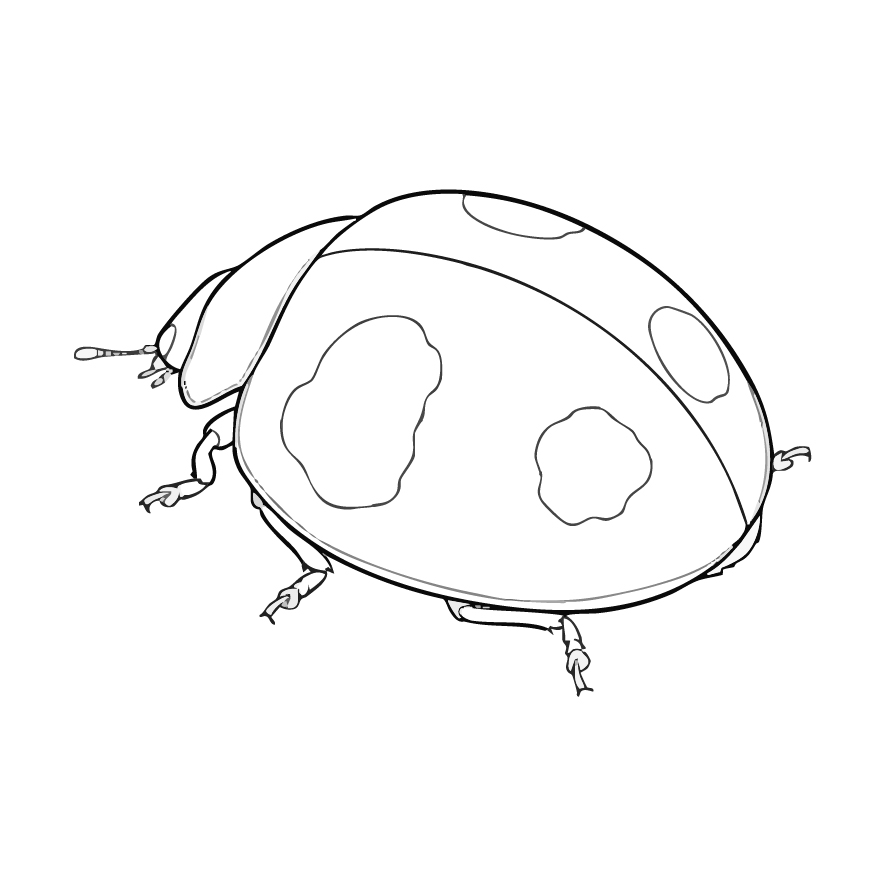
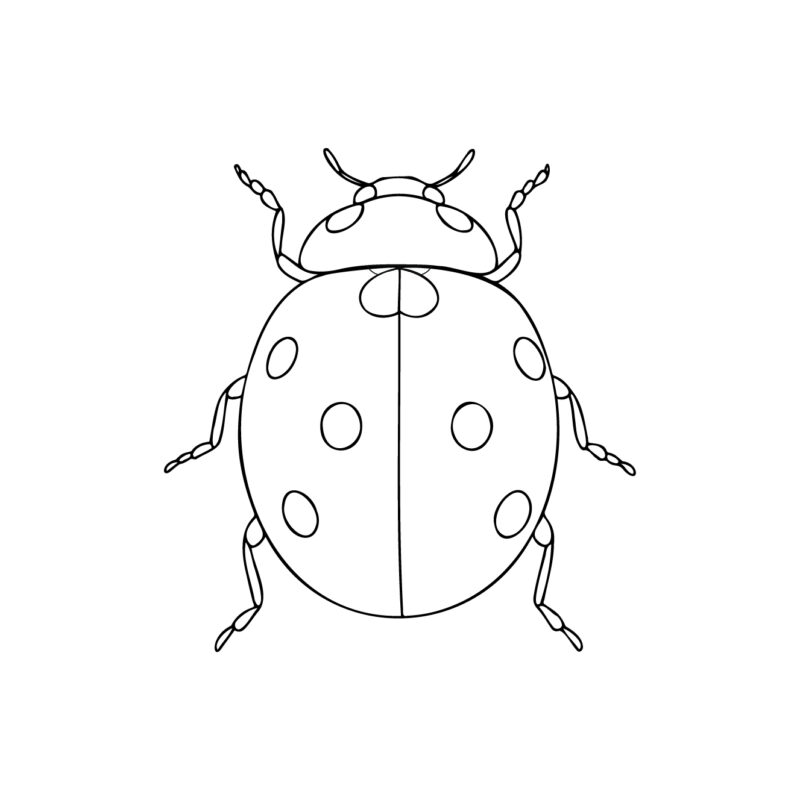
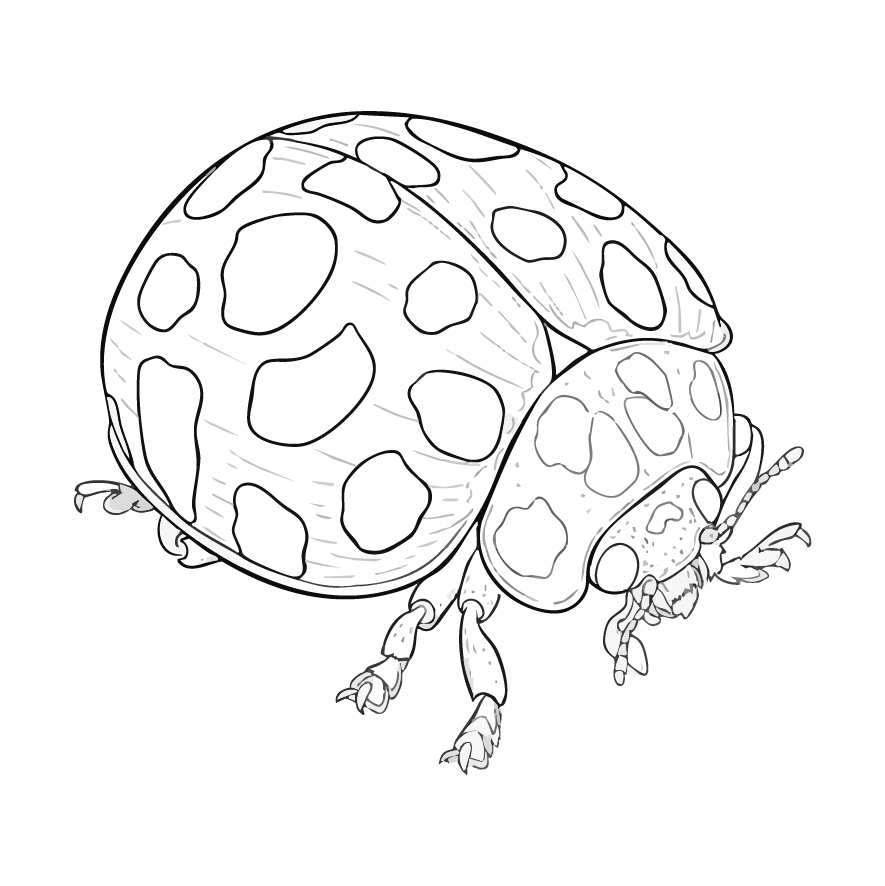
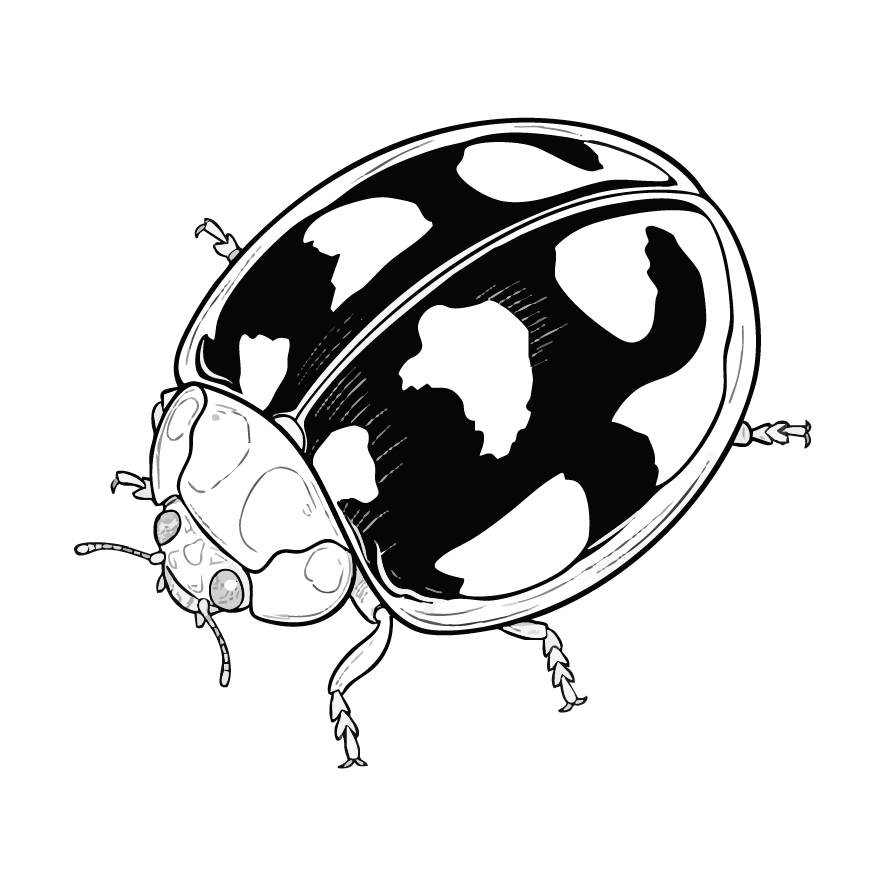
- Body Features: Its body is a shiny, bright yellow. It has no patterns, or sometimes just a few tiny black dots. This smooth, round body makes it look just like a ladybird.
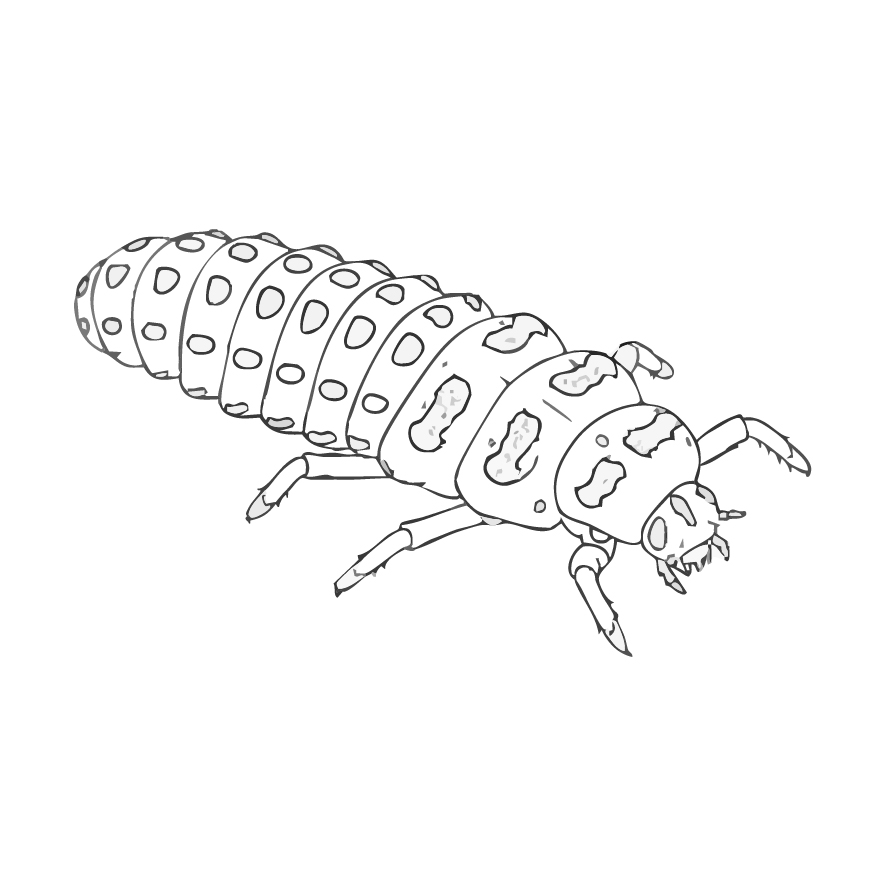
- What Larvae Look Like: The larvae have dark, spiky bodies. They look like caterpillars! They look completely different from the adults.
When and Where You Can Find It
- Best Time to See It: You can mostly see it from spring to autumn.
- Where It Lives: You can often find it on the leaves of gourd plants and daisy family plants. These are plants that easily get powdery mildew.
How to Color Yellow ladybird
How to Choose Colors: Use Bright Yellow and Give It a Shiny, Round Look!
For the Yellow ladybird coloring page, let's focus on painting its simple, beautiful colors: a round body and bright yellow!
- Basic colors: Pick mostly bright yellow, lemon yellow, black (spots, legs), and light skin color (the larva's body).
Colors for each part:
- Body color: Color the back using bright, vivid yellow or lemon yellow as a base. If you color it evenly in one color, it will look smooth!
- Head and legs: Color the head, legs, and feelers with black or dark brown to give them a sharp look.
- Larva's body: Use blackish colors and light brown for the larva. If you color the spiky patterns carefully, it will really show how it is different from the adult Yellow ladybird!
- Shine: The body is smooth and shiny! Color the parts where light hits with bright yellow or white lines to make it look extra shiny!
How to color to make it look 3D: Show the roundness and shine!
The Yellow ladybird's round body and shiny coat will look great if you keep "shadows and highlights" in mind. Places where shadows fall:
- Make the body look round by adding "shadows" to places where the light does not hit, like the underside of the body and under the head. You can use a darker yellow or a light brown than your main color!
Where the light hits:
- If you color the places where the light hits, like the middle of its back, with the brightest yellow or white dots, you can make it look shiny and smooth!
Let's make it look real!
Colored pencils: If you color smoothly and evenly, you can make the Yellow ladybird's shiny body look real. How to color: Gently layer a light orange over the yellow to get a deep, natural yellow.
Tips for enjoying your coloring page!
- A hero for plants!
- If you draw and color green leaves with white mold in the background, you can imagine the Yellow ladybird eating the disease. That sounds like fun!
- Enjoy the makeover!
- Try coloring the adult's yellow and the grub's spiky black to show the contrast, and feel the wonder of how insects transform!
Share These Yellow ladybird Coloring Pages



-
Yellow Ladybird Adult
-
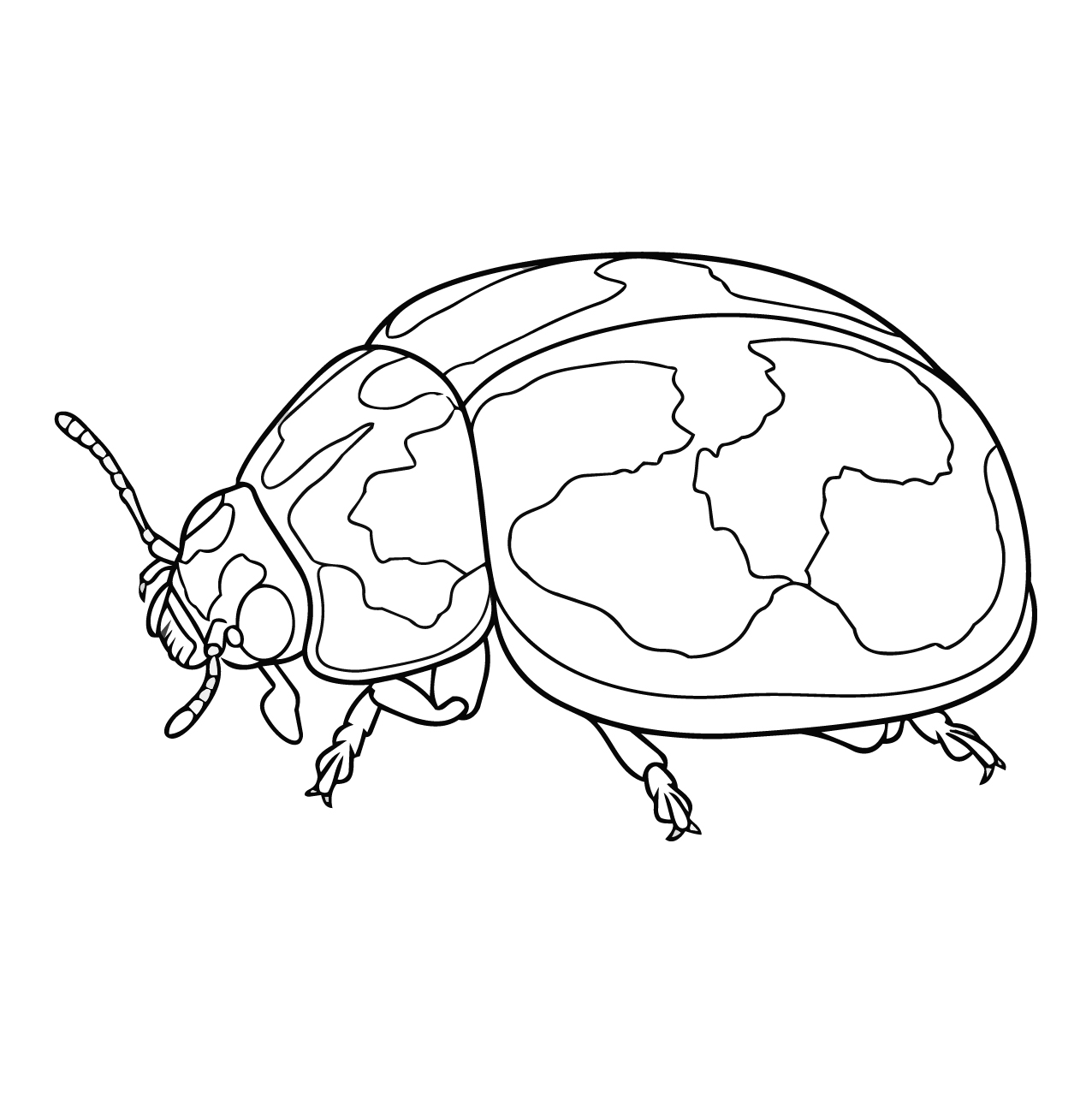
Yellow ladybird pupa
-