Hydrangea Coloring Pages
 ~
~ 
About Hydrangea
The Star of Rainy Days! What Kind of Flower is Hydrangea?
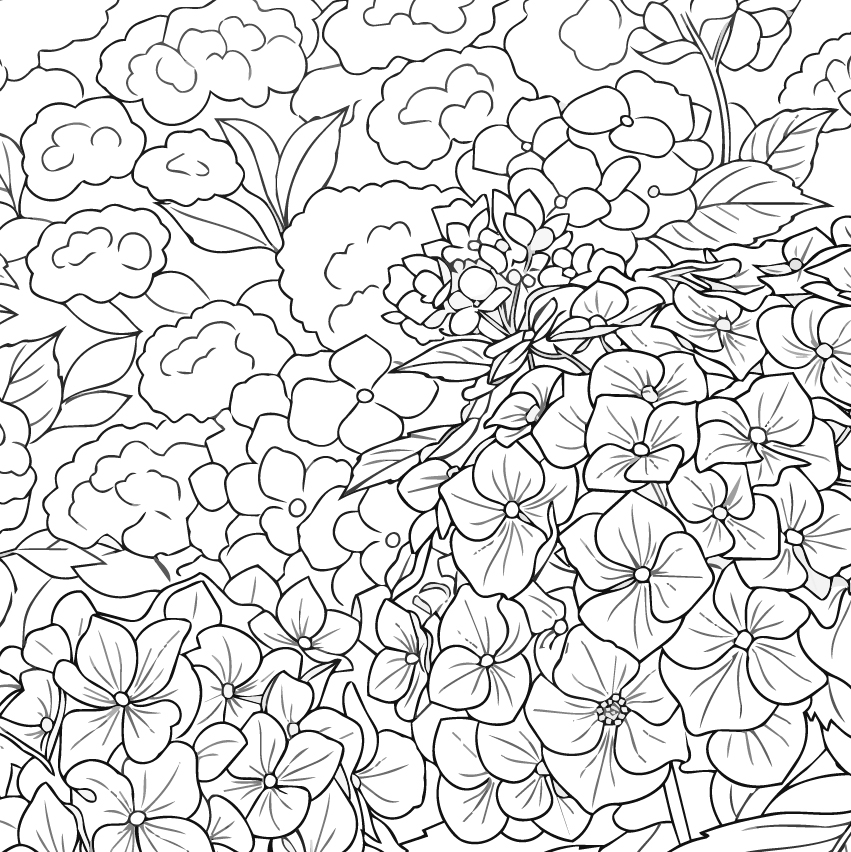
Hydrangea is a famous flower that blooms bright and colorful, even under gloomy rainy season skies. Tiny flowers pack tightly together to bloom in round ball shapes that look super cute. Getting wet in the rain makes them look even more pretty. They are truly the queen of the rainy season!
Where the Name Comes From
People say the name Hydrangea comes from an old Japanese word, "Azusa-ai," which means "blue flowers gathering together to bloom."
In English, it is called "Hydrangea." This name comes from a Greek word that means "water vessel." It is a lovely name given because Hydrangea needs a lot of water to grow!
When Can You See It?
Hydrangea blooms best from late May to early July. This is right during Japan's rainy season when it rains a lot. Going outside can feel a bit sad when it keeps raining. But seeing pretty Hydrangea flowers bloom will cheer you right up!
Where Can You See It? The Secret of Its Japanese Home
Did you know that Hydrangea was born in Japan? A long time ago, a wild type called "Lacecap Hydrangea" traveled along the Silk Road all the way to Europe. People there made it fancy and pretty, and it came back to Japan as "French Hydrangea." Now, you can find it everywhere in Japan! People take good care of it in parks, temples, home gardens, and even deep in mountain forests.
Colors Change with the Dirt! A Magical Seven-Change Flower
Hydrangea is so magical that its flowers change colors! The secret behind these colors is hidden in the soil where Hydrangea grows.
-
Acidic soil: Rainy Japanese soil is often like this. It makes the flowers turn blue or purple.
-
Alkaline soil: Dry places often have this kind of soil. It makes the flowers turn red or pink. Even for the exact same kind of Hydrangea, changing the soil changes the color completely! It is just like magic!
The Flower Part is Actually a Leaf!?
You might look at the round parts and think, "What pretty flower petals!" But those are not real petals at all!
-
Decorative flowers: The parts that look like petals are actually big leaves called sepals that support the flower. They act like big signs to call bug friends over!
-
Real flowers: Look closely at the middle of those leaf-like sepals. You will see tiny little dots that look like buds. When these tiny dots open up, those are the real Hydrangea flowers!
Flower Meanings of Hydrangea
Hydrangea has many fun flower meanings based on how it grows!
-
General meanings: Because its colors change, one meaning is "changing mind." But because tiny flowers huddle close together, it also means warm things like "family bonds" and "friendly togetherness."
-
Blue and purple Hydrangea: "Smart" and "Mysterious"
-
Pink and red-purple Hydrangea: "Cheerful woman"
Rainy Days and Frogs
When you look near a Hydrangea, you will often see cute little tree frogs resting on the leaves! Frogs cannot breathe if their skin dries out. So big Hydrangea leaves, wet with plenty of rain, are the best seats in the house for frogs!
How to Color Hydrangea
Color the "Seven-Transforming" Hydrangea with Blended Colors
The fun part about Hydrangea is how the colors change little by little, even in just one bunch!
-
Enjoy mixing colors: Do not just use light blue. Try gently layering light purple or pink right on top! When the colors mix together inside the flowers, you get deep, pretty shades just like a real Hydrangea.
-
Add shadows to white flowers, too: When you color a white Hydrangea, softly add light blue or lavender only to the shadowed parts of the petals. This makes them pop out and look 3D!
Tricks to Make Tiny Flower Bunches Look 3D
Here is a neat trick to make a round Hydrangea bunch look like a round ball!
-
Think about front and back: Color the flowers in the center and front with bright colors. Then, try adding slightly darker blue or purple to the outer edges and the small gaps between the flowers. Just doing this makes it look big, round, and full like a ball!
Use Dark Green Leaves to Make Flowers Pop
Hydrangea leaves are great helpers that make the flowers stand out!
-
Follow the leaf lines: Move your colored pencils right along the tiny lines drawn on the leaves.
-
Use light and dark shades: If you color the leaves dark with deep green or olive green, the bright blue and pink flowers will jump out at you! It makes a neat and bright picture.
How to Color Big Mount Fuji and Forest Backgrounds
For a big coloring page with scenery behind the Hydrangea, keeping a good balance between the far view and the front Hydrangea is key!
-
Mount Fuji and thunderhead clouds: Color Mount Fuji with cool blue-gray or indigo blue to make the white snow on top stand out. For the fluffy clouds rising behind it, put a little light gray in the shadows. This shows a cool, powerful summer sky!
-
Forest with big trees: When coloring a big tree surrounded by Hydrangea, color the rough bark brown or dark brown with strong strokes. Try layering many kinds of green for the thick leaves. You can really feel how deep the forest goes!
Tips for Rainy Season Feelings and Shiny Frogs
-
How frogs look and feel: When you color a frog sitting on a Hydrangea, leaving a tiny part of its back white is the best trick! This shows how wet and shiny the frog is in the rain. Color the eyes dark black so they look nice and clear!
Hydrangea brings fun colors to the rainy season. Use your magic colored pencils to make the most colorful flowers bloom!
Fun Facts About Hydrangea
Not Petals, but Friends of "Leaves"?!
The bright and beautiful parts of Hydrangea that look like petals are actually not flowers at all! They are special leaves called "sepals." The real flowers of Hydrangea are the very small, round bumps gathered right in the middle of those sepals!
A Magical Trick That Changes Colors with the Soil
Hydrangea is a magical plant that changes its flower (sepal) color depending on the soil where it grows. If the soil is acidic, it turns blue. If it is alkaline, it turns red or pink! Because its colors slowly change after it blooms, it is also called the "Seven-Transformer."
The Name Means "Blue Flowers Gathering Together"
The Japanese name for Hydrangea comes from an old word, "Azusai." "Azu" means to gather, and "sai" means blue flowers. So, the name comes from how it looks with lots of little blue flowers blooming close together!
Do Snails Actually Dislike Hydrangea?
You often see pictures of snails on Hydrangea in storybooks. But actually, Hydrangea leaves have a tiny bit of poison, so snails do not eat them! If you see a snail on a leaf, it might just be taking a rest from the rain.
Share These Hydrangea Coloring Pages


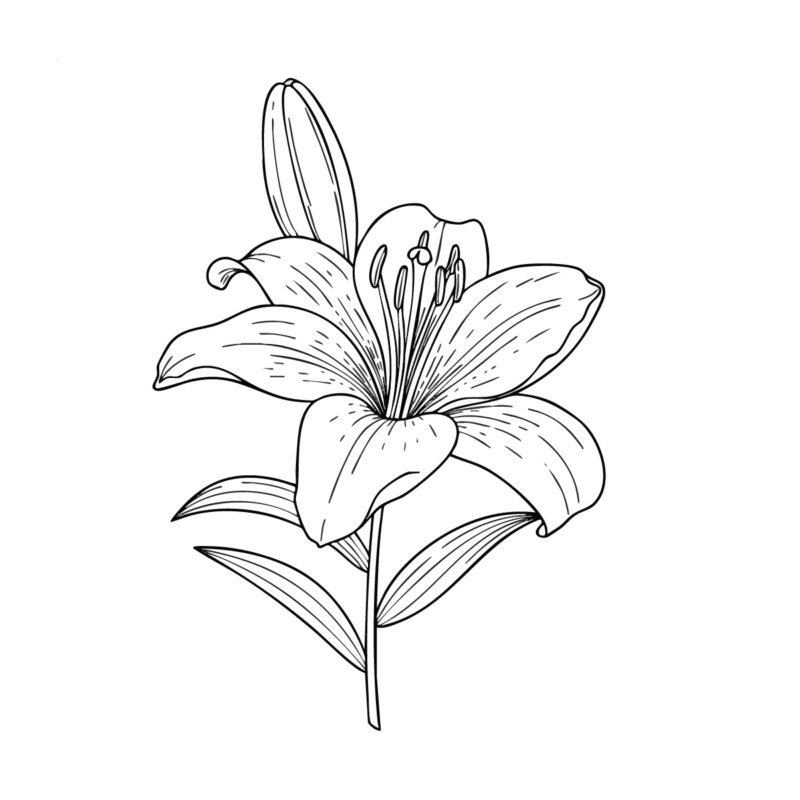
-
Hydrangea
-
Hydrangea and Frog
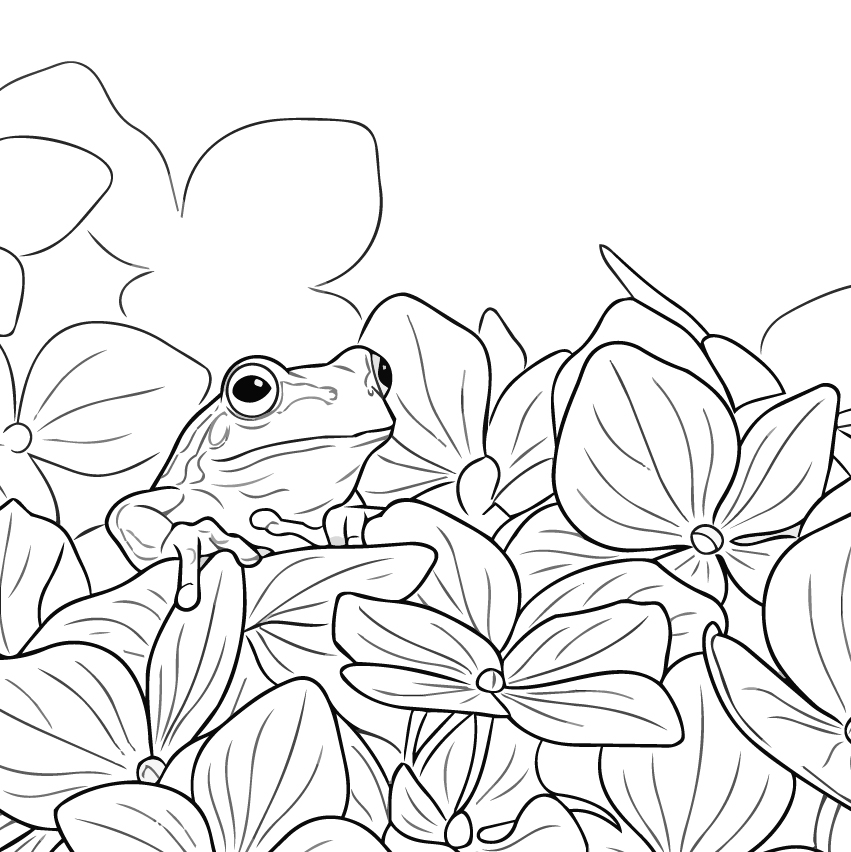
-
-
Hydrangea Forest
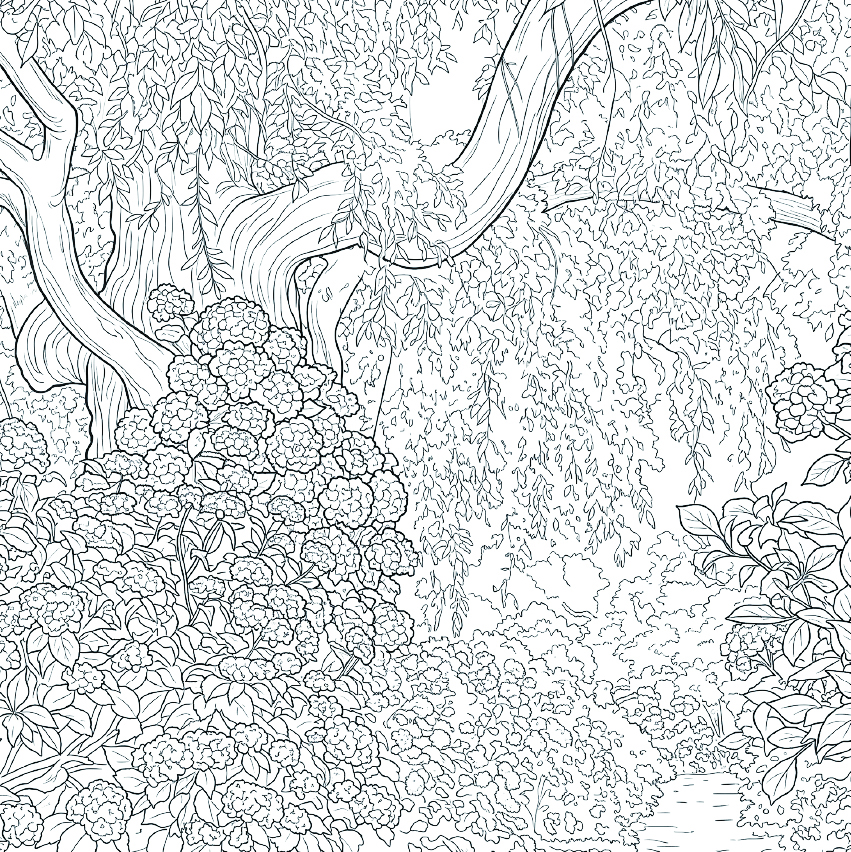
-
Hydrangeas and Mount Fuji
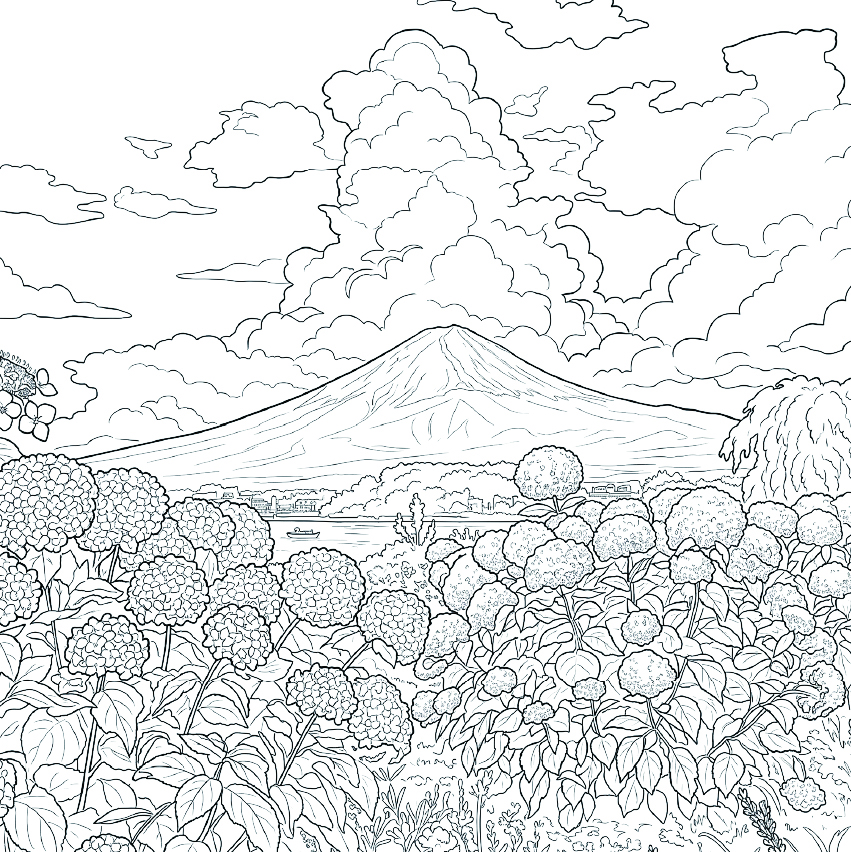
-