Himeji Castle Coloring Pages
 ~
~ 
About Himeji Castle
The White Castle: "White Heron Castle"
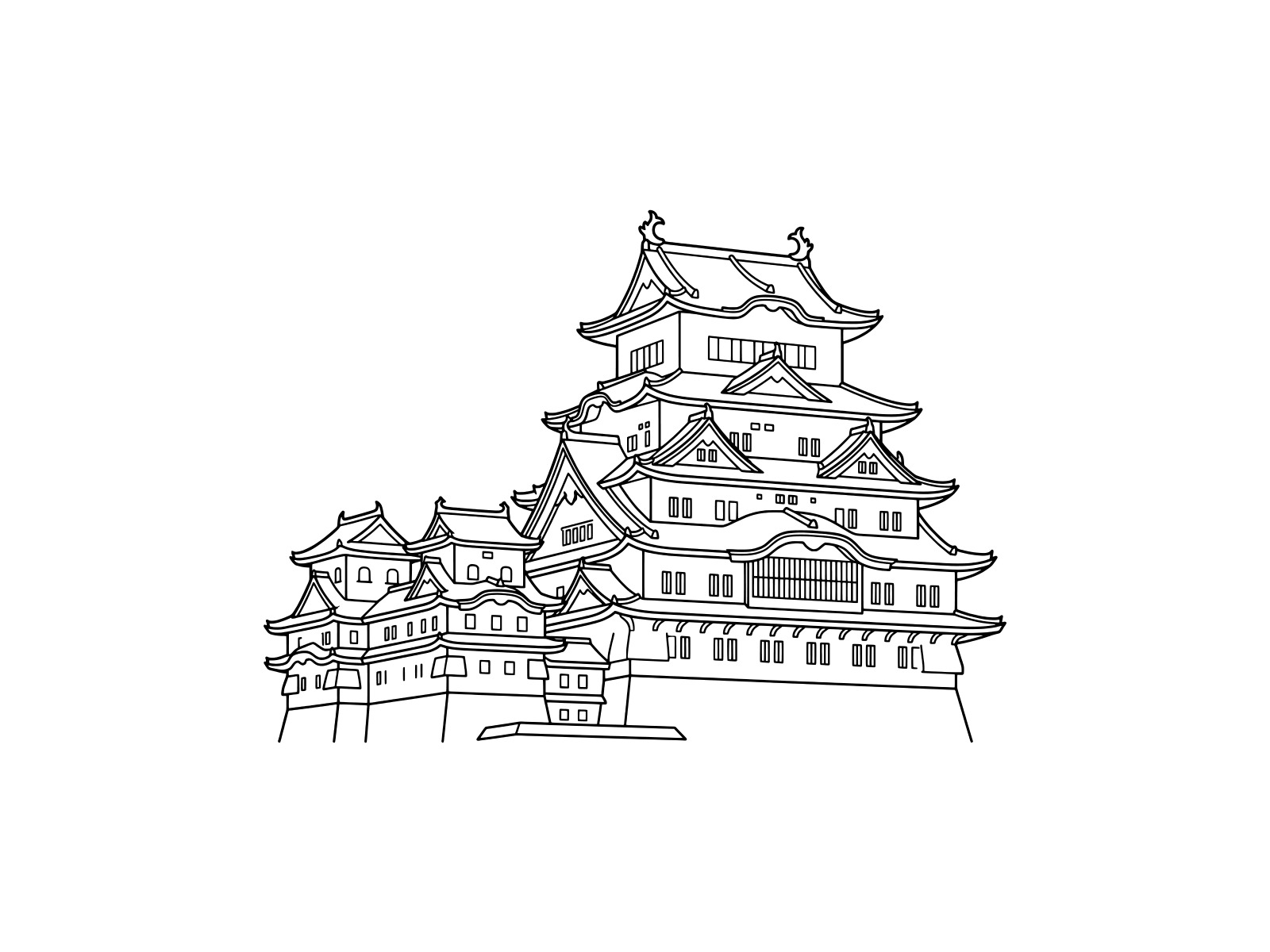
Himeji Castle is in Himeji City, Hyogo Prefecture, and it is one of the most famous castles in Japan. Its walls and the edges of its roof are pure white. It looks like a white heron spreading its wings, so people also call it White Heron Castle.
It is white for a reason. A material called shikkui plaster is spread on the walls, columns, and even in the gaps of the roof. Shikkui plaster blocks fire, so it helped protect the building from fires and flaming arrows.
Japan's First World Heritage Site
In 1993, Himeji Castle became one of the very first World Cultural Heritage sites in Japan. It got its current look because a warlord named Ikeda Terumasa spent 8 long years building it, starting in 1601. The buildings from over 400 years ago are still here today!
Eight buildings are National Treasures, including the big main tower, the small towers, and the corridors that connect them.
5 Floors from the Outside, 7 Floors Inside
When you look at the main tower from the outside, you can see 5 overlapping roofs. But inside, it actually has 6 floors and 1 basement floor! The numbers do not match.
That is because there are hidden floors between the roofs. This trick made it hard for enemies to guess how many floors it had, and it made the castle look big and beautiful. It was a clever way to show off the castle.
It Did Not Burn in the War
In 1945, the town of Himeji was attacked from the air and burned down. At that time, a firebomb fell right into the top floor of the main tower.
However, that bomb did not go off! If it had exploded, Himeji Castle would not be here today. It survived just like a miracle.
A Great Place for Cherry Blossoms in Spring
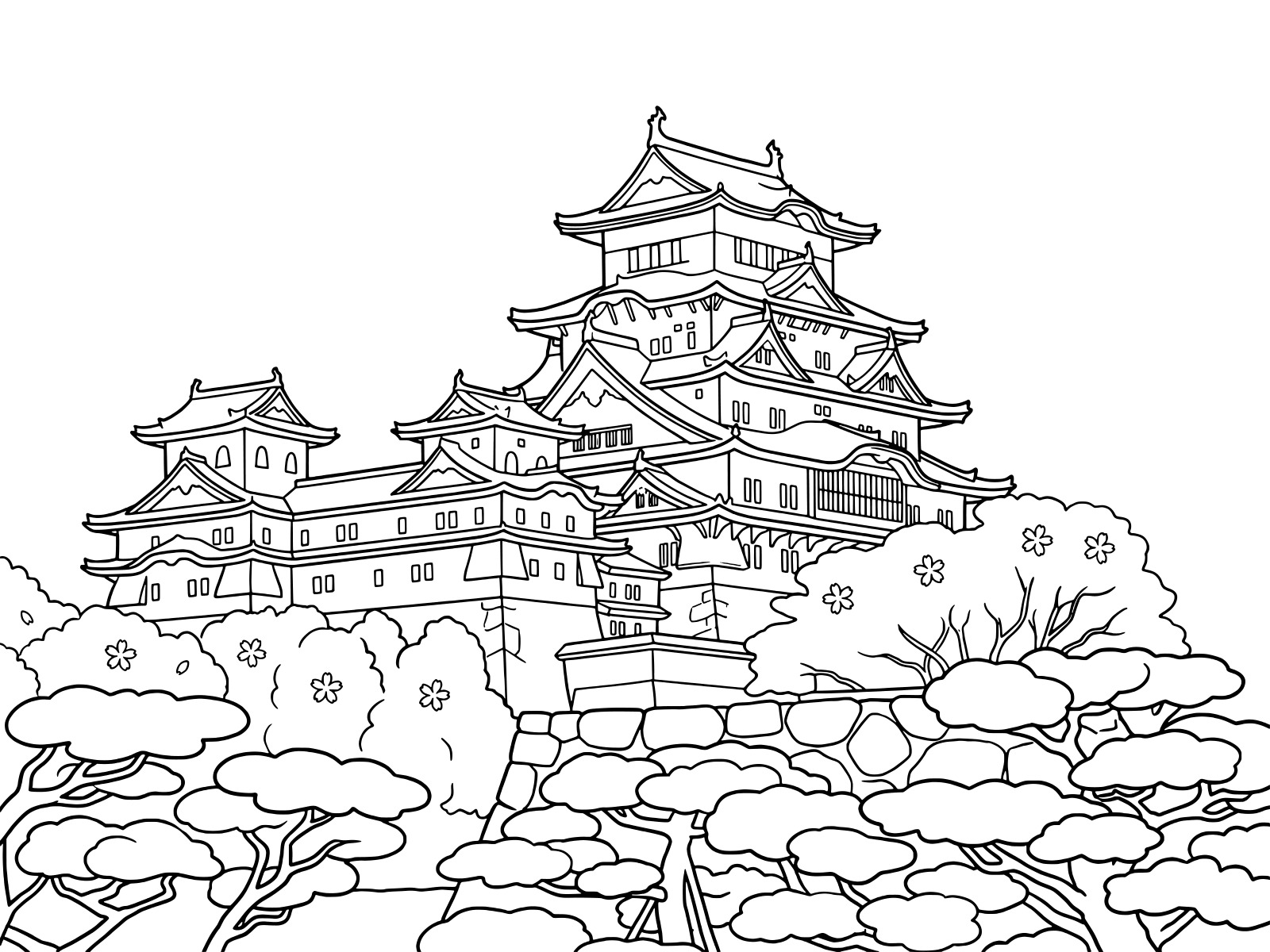
Himeji Castle is also famous for cherry blossoms and is on the "100 Best Cherry Blossom Spots in Japan" list. Around the castle, about 1,000 cherry trees are planted, such as Somei Yoshino and weeping cherry trees. The best time to see them is from late March to early April.
The view of the pure white castle and the light pink cherry blossoms side by side only happens at this time of year. The coloring page with the background is based on Himeji Castle in spring!
Shachihoko on the Roof
On both ends of the highest roof, there are ornaments shaped like fish with their tails pointed up. These are called shachihoko.
Shachihoko are imaginary creatures. People believed they could spit out water to put out fires. They sit on castle roofs as charms to protect the building from fire.
How to Color Himeji Castle
"Do not color" the white walls
The most important thing for Himeji Castle is to leave the walls white. It is called the "White Heron Castle" because it is so pure white.
Try adding a little light blue or light gray only to the shadowy parts. Just doing that will make it look 3D while keeping it white. If you color the whole thing, it won't look like a white heron anymore.
The roof is gray, darker at the bottom
The roof is made of tiles, and it is a bluish gray.
The trick is to color the top of the roof light, and the bottom (near the edge) dark. That really brings out the curved shape. The roof has big flat areas, so lay your colored pencil flat and layer the light colors nicely.
Shachihoko are not gold
This is easy to get wrong! You might want to color the shachihoko gold, but Himeji Castle's shachihoko are made of tiles, so they are the same gray as the roof. Nagoya Castle is the famous one with gold shachihoko.
If you really want to make it gold, color it yellow-ochre first, then layer brown on just one side.
Use fine lines between the windows and walls
There are many tall, thin windows lined up. Color this part after you sharpen your pencil point. If the point stays dull, you will color outside the lines.
Make the inside of the windows dark gray or dark brown. This creates a neat contrast with the white walls and makes your picture look sharp.
For pages with cherry blossoms and pine trees
For pictures with backgrounds, the trick is to color the front dark and the back light. Use dark green for the pine trees in front, and light yellow-green for the trees in back to add depth.
Don't use just one shade of pink for the cherry blossoms. Make only the edges of the flower clusters a bit darker to make them look soft and fluffy. For the stone walls, layer a little bit of brown over gray to make them look like real stone.
Fun Facts About Himeji Castle
Why It Is White: To Protect from Fire
Himeji Castle is not white just to look pretty. A white material called shikkui plaster, made from seashells and lime, is painted all over the walls, pillars, and roof joints.
Plaster resists fire very well, so the castle would not burn easily even if hit by fire arrows. It was a clever idea from long ago to protect a wooden castle!
The Stairs Are All Different
Inside the main keep, the steepness and shape of the stairs change on every floor. The higher up you go, the steeper and narrower the stairs get.
This made it hard for attacking enemies to climb up. Also, the walls have many small holes called sama for shooting guns and arrows. The whole castle was built as a giant weapon!
Paths Like a Maze
You cannot walk in a straight line from the entrance to the main keep. Every time you go through a gate, the path turns right and left, going up and down slopes.
This trick stopped enemies from reaching the top easily. Today, visitors can walk along these paths, but you might really get lost on your first try!
A 6-Year Makeover
From 2009 to 2015, Himeji Castle went through a huge repair project called the "Heisei Great Repair." Workers took down all the roof tiles and repainted the plaster.
Right after the work finished, it was so bright that people called it "The Castle That Is Too White!" Over time, the white color becomes a little softer. The lovely white Himeji Castle you see in pictures today came back to life during this makeover.
Share These Himeji Castle Coloring Pages


More Castles, Shrines & Temples Coloring Pages
-

Kondo (Main Hall) of Toji Temple
Difficulty:~ -
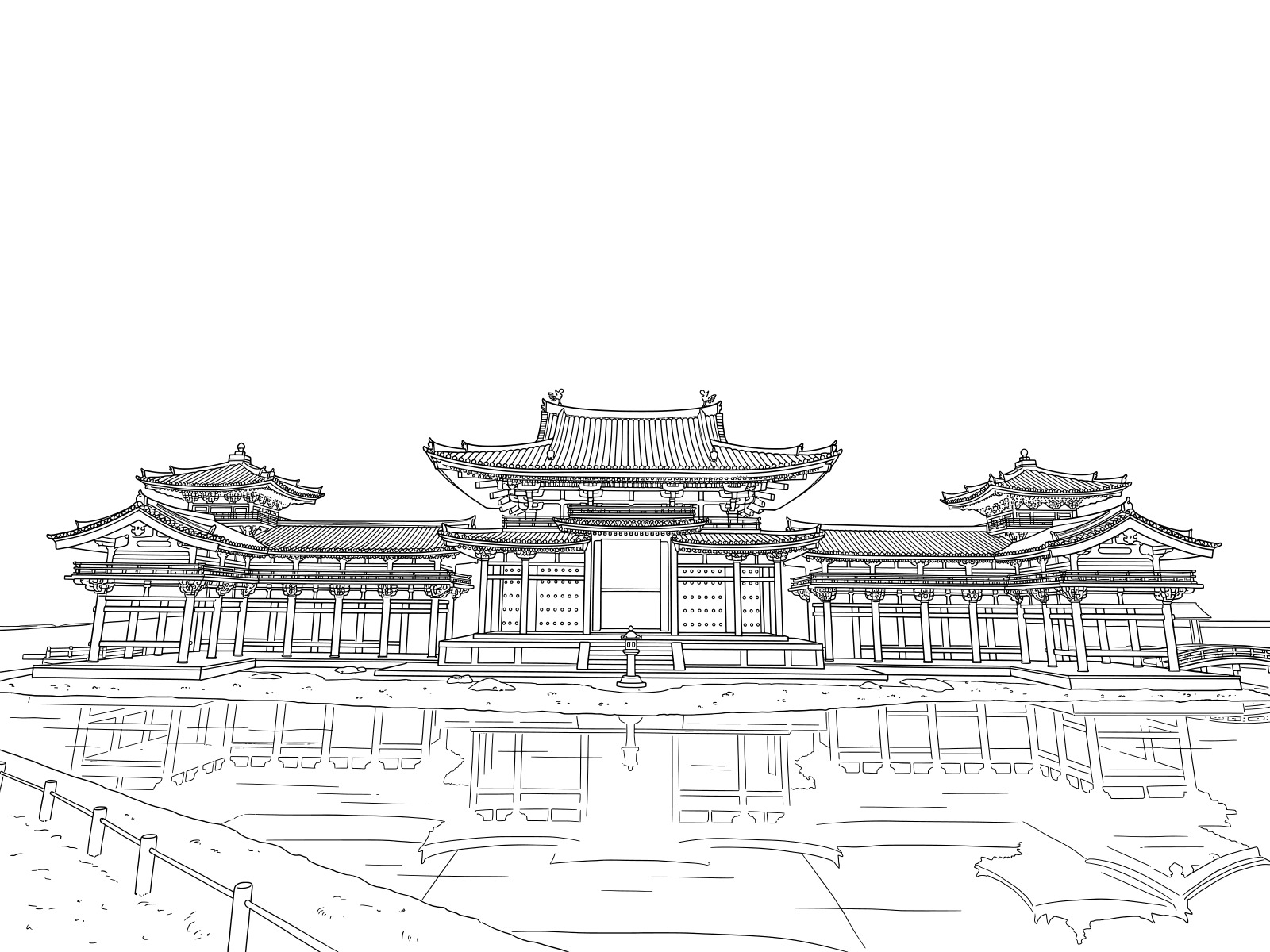
Phoenix Hall of Byodoin Temple
Difficulty:~ -
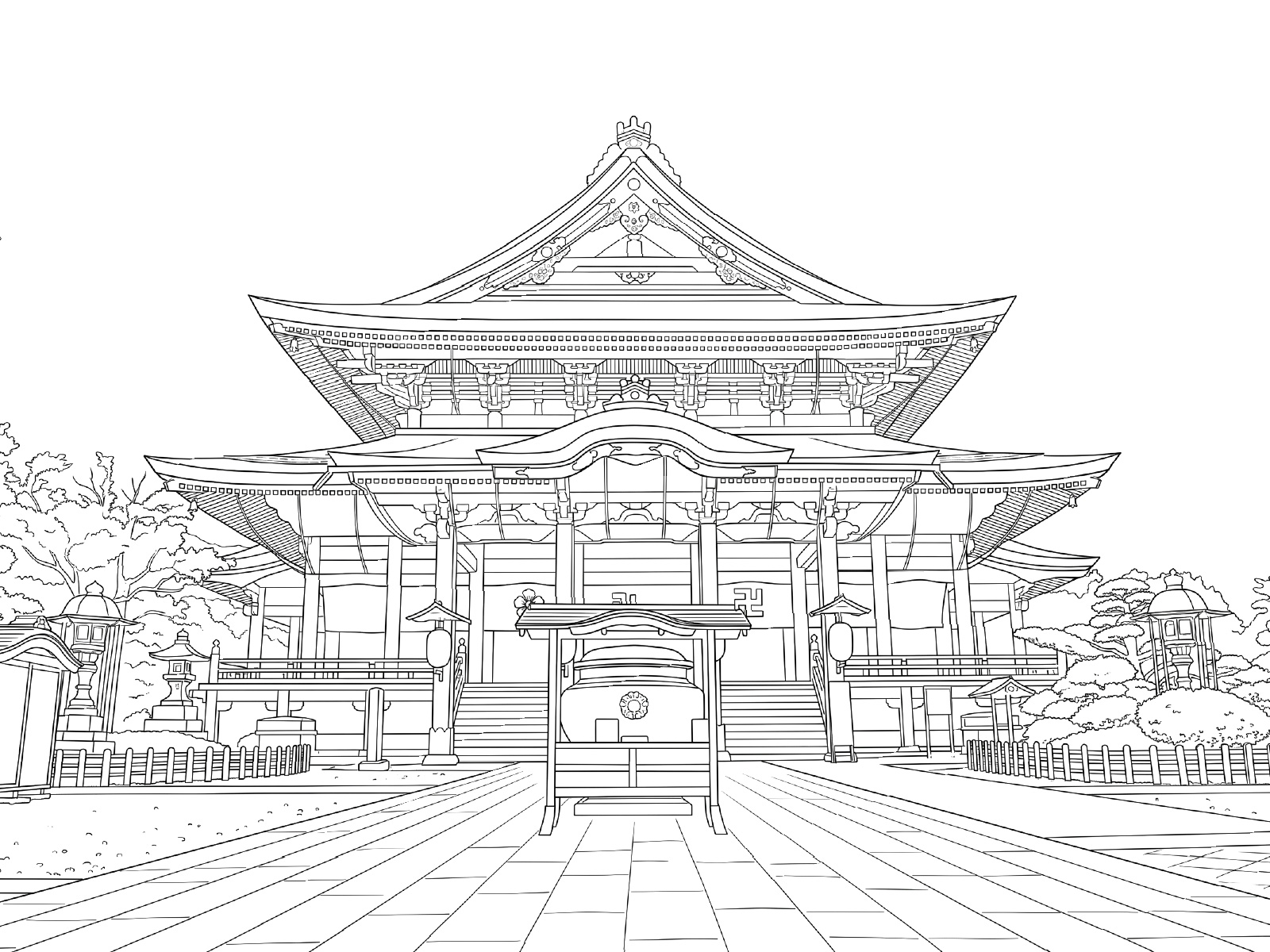
Zenko-ji Temple
Difficulty: -

The Great Torii of Itsukushima Shrine
Difficulty:~ -

Matsumoto Castle
Difficulty:~ -
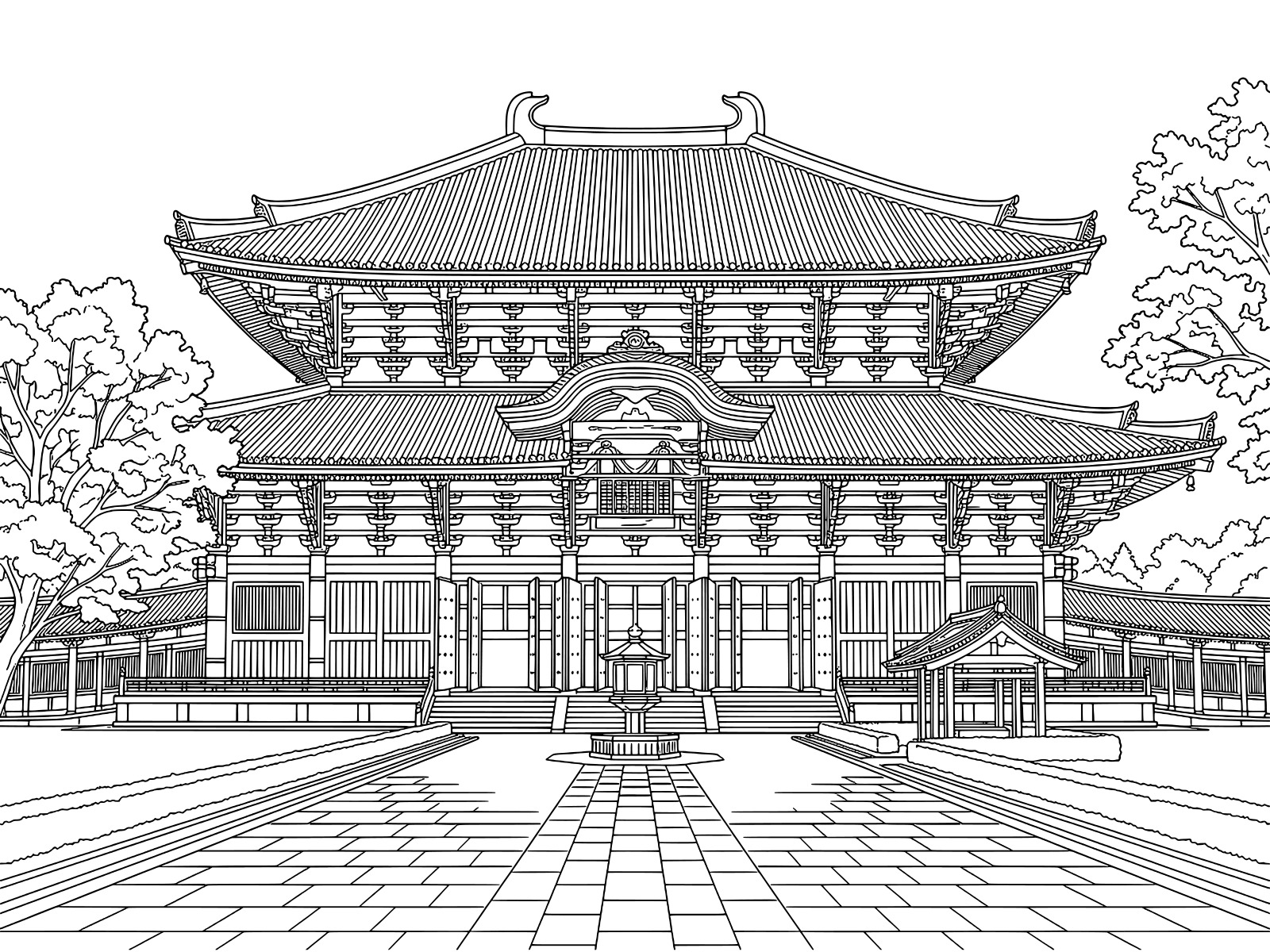
The Great Buddha Hall of Todai-ji
Difficulty:~ -

Five-storied pagoda of Toji Temple
Difficulty:~ -
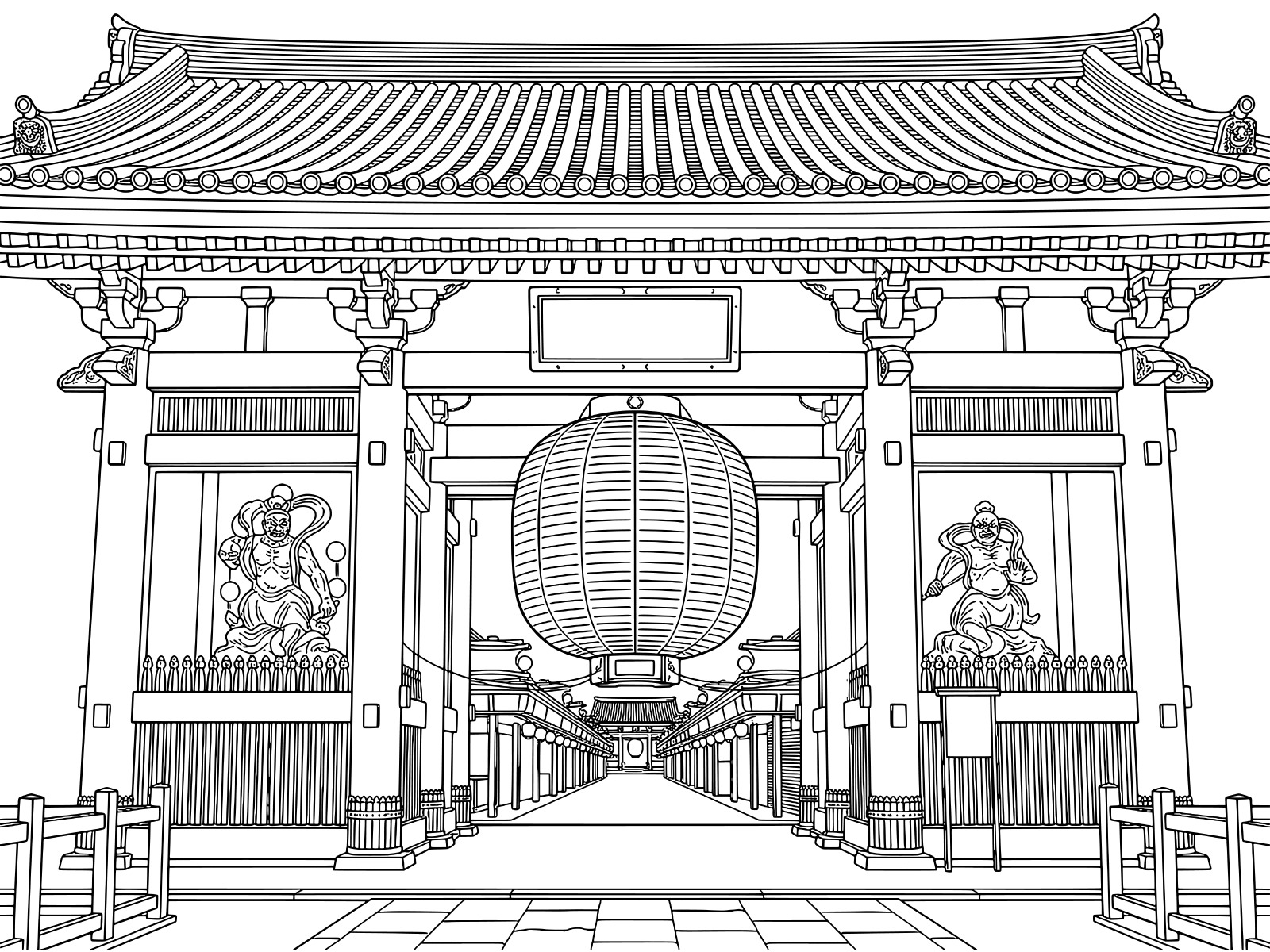
Kaminarimon Gate at Senso-ji
Difficulty:~
-
Himeji Castle
-
Himeji Castle with cherry blossoms
-
-
Himeji Castle Adult
-