Fushimi Inari Taisha Shrine Coloring Pages
 ~
~ 
About Fushimi Inari Taisha Shrine
The Main Head Shrine of 30,000 Shrines Across Japan
Fushimi Inari Taisha Shrine is a shrine in Fushimi Ward, Kyoto City.
There are about 30,000 "O-inari-san" shrines all over Japan. If you count tiny local shrines, there are even more! Fushimi Inari Taisha Shrine is the head shrine of all of them.
It is said to have started in the year 711. A family called the Hata clan lived in this area and began worshipping gods on the three peaks of Mount Inari behind the shrine. That was over 1,300 years ago!
"Inari" Means "Rice Grows"
People say the name Inari comes from the words meaning "rice grows."
At first, it was a shrine for the god of farming, where people prayed for rich rice harvests.
Over time, people also started praying for success in business and work. Today, it is famous as the god of good business.
Have you ever seen a tiny red Torii gate or fox statue in front of a shop? That is for this god, too!
The Bright Red Romon Gate Built by Hideyoshi
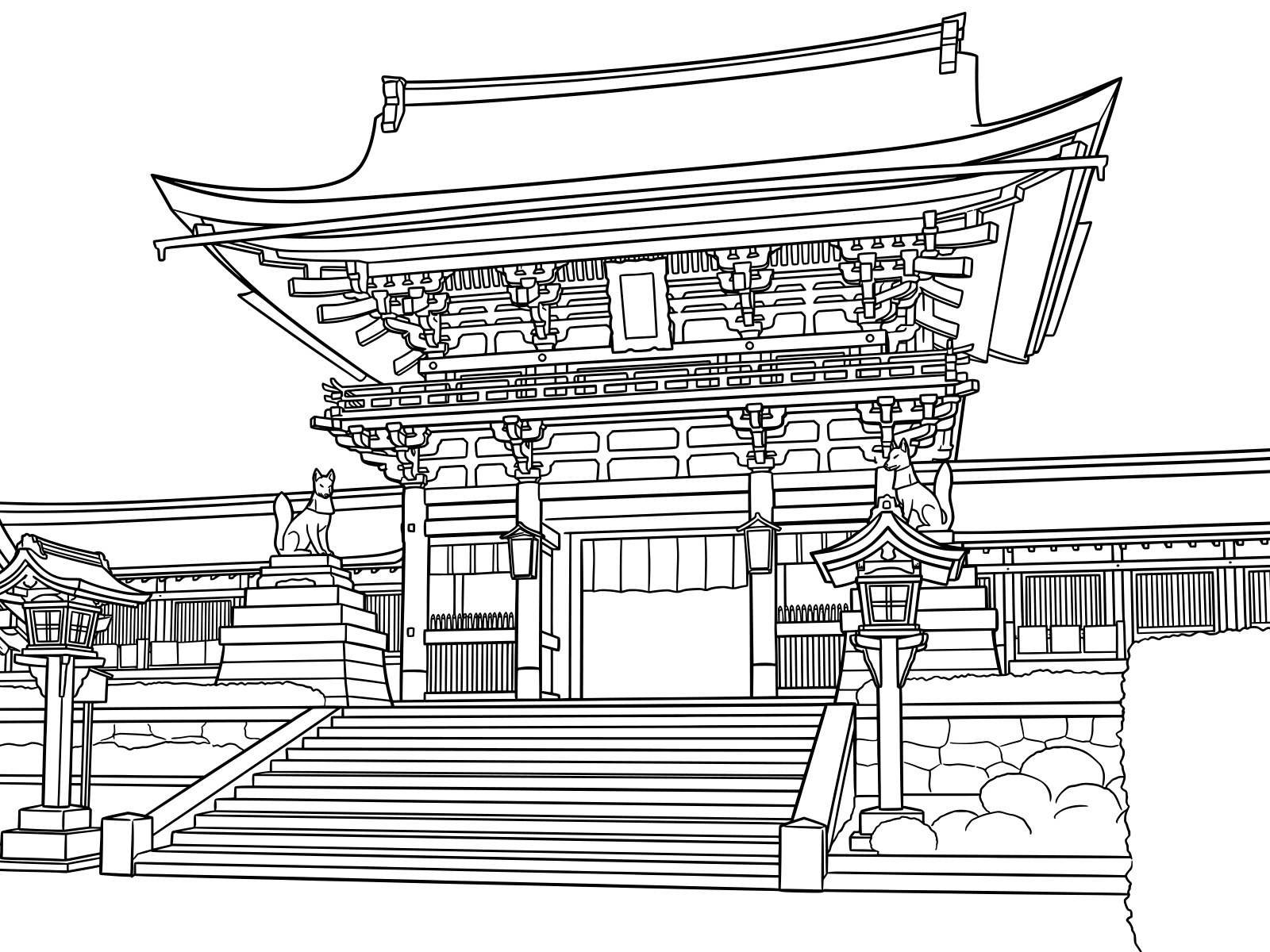
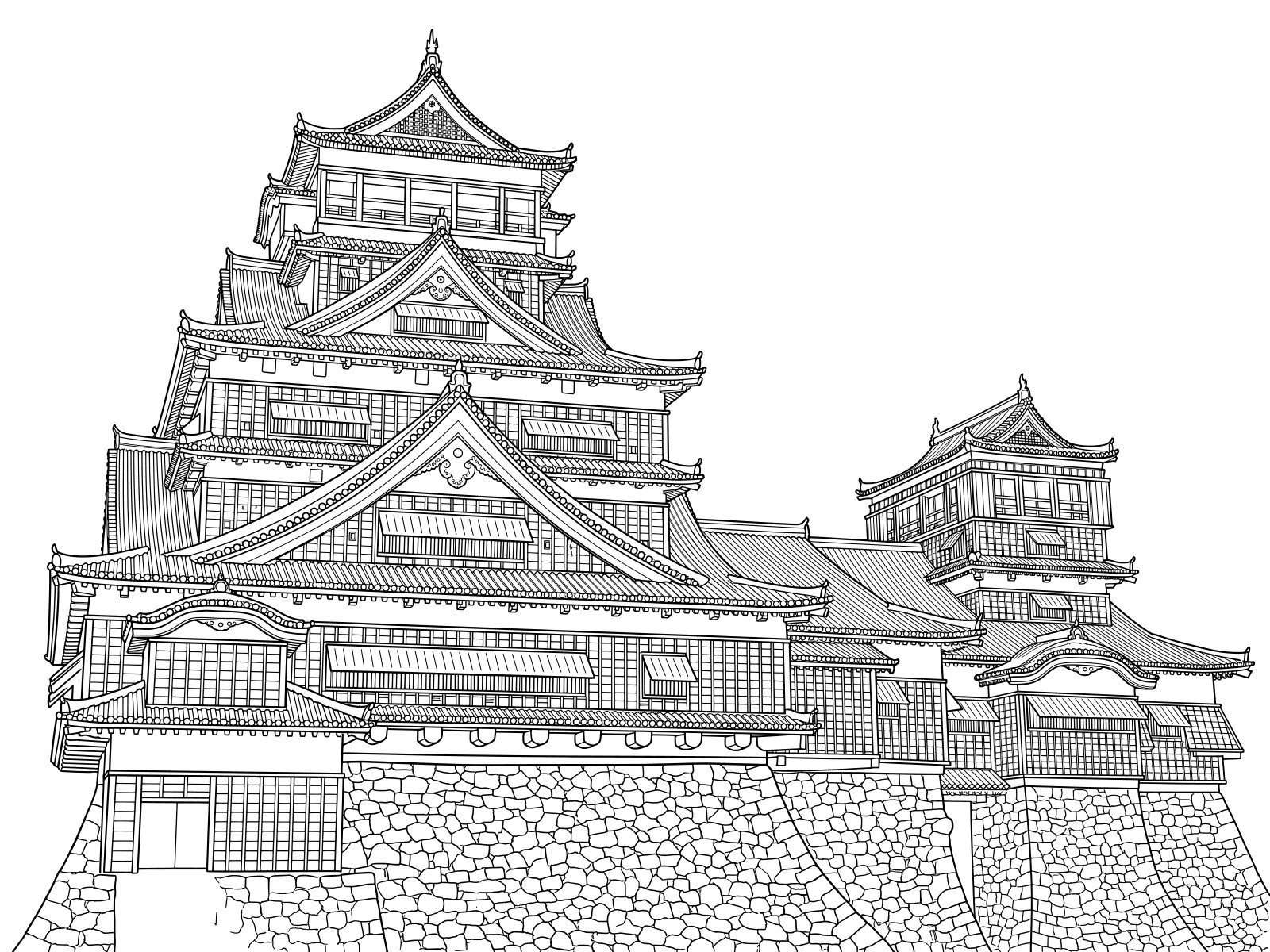
As you walk along the main path, you will see a big, bright red gate. This is the Romon Gate.
Toyotomi Hideyoshi built it. Legend says he prayed for his mother to get well, and after his wish came true, he built it in 1589 to say thank you.
For a long time, this was just a story. But when workers took the gate apart for repairs in the Showa period, they found writing on a pillar with that exact year! That proved the story was true.
It has a big two-story roof that curves upward. It is one of the largest shrine gates in Japan, and it is chosen as an Important Cultural Property of Japan.
Torii Gates Are "Thank You" Gifts for Answered Wishes
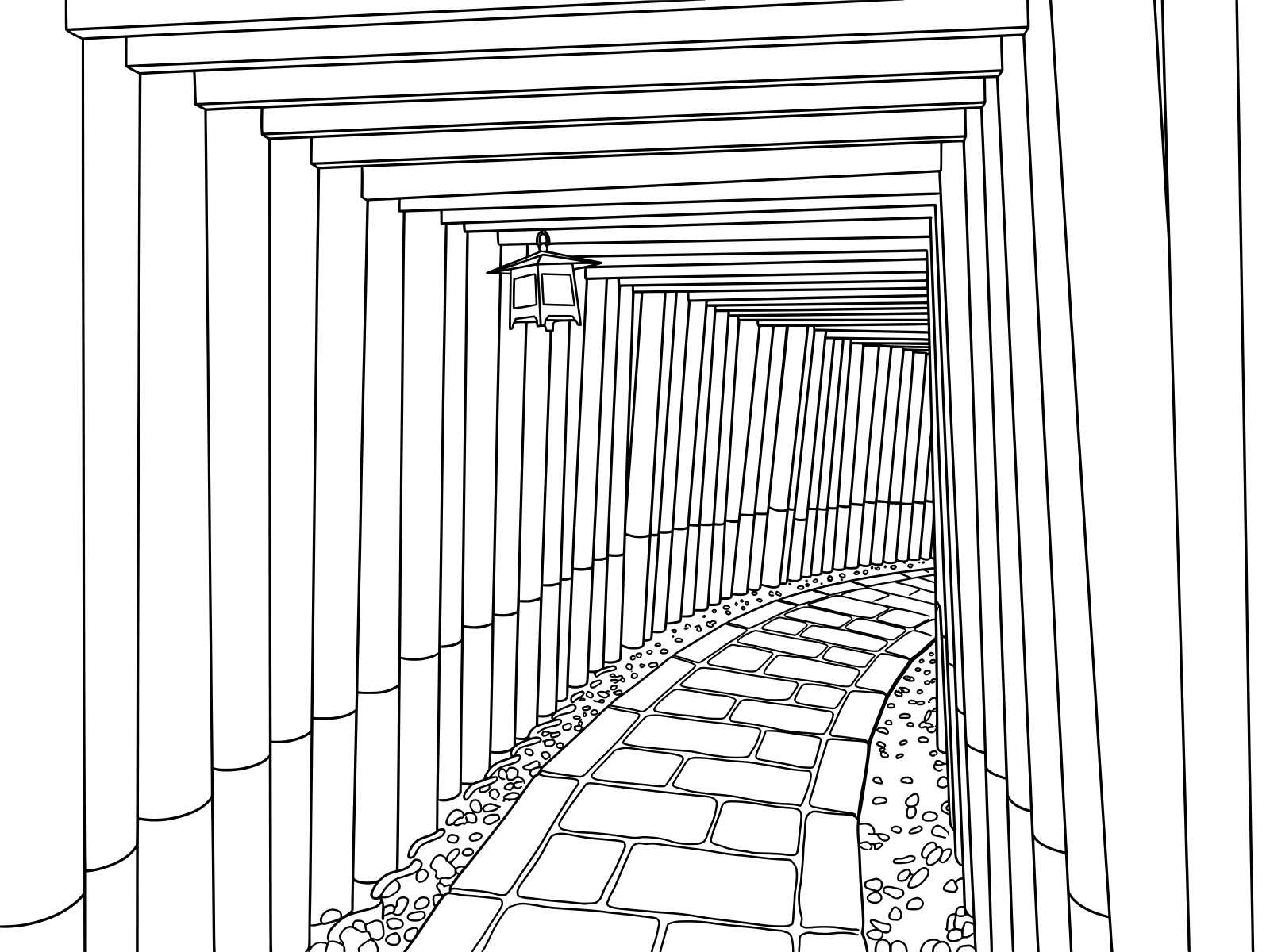
The most famous spot is the Senbon Torii, where bright red gates form a long tunnel.
You might wonder why there are so many Torii gates! Actually, every single one is a sign of thanks.
Starting in the Edo period, a custom spread where people gave a Torii gate to say thank you when their wishes went through and came true. Each gate shows that someone's wish was answered.
People call it "Senbon" (one thousand), but there are actually about 10,000 gates on the whole mountain! When you walk through them, it feels like the tunnel goes on forever.
The Whole Mountain is a Holy Place
Fushimi Inari Taisha Shrine is not just about its buildings. The entire Mount Inari behind it is a holy place where the gods live.
The mountain is 233 meters high. Walking all the way around the path is called "O-yama Meguri." It takes about two hours even if you do not rest!
Along the path, there are over 10,000 tiny stone shrines lined up. As you climb higher, there are fewer people, and sunlight shines through the leaves onto the quiet path between the red gates.
How to Color Fushimi Inari Taisha Shrine
Color the top and bottom in different colors for the vermilion
The color of the torii gate is not just plain red. It is vermilion! That is a bright red, close to orange.
Real torii gates have darker colors only on the bottom of the posts. This keeps them safe from rain and dirt.
On this coloring page, you can see a line partway down the posts. If you color below the line dark brown or black, and above it vermilion, it will look just like the real thing!
Change the color only on top of the Kasagi
The very top crossbar of a torii gate is called the Kasagi.
At Fushimi Inari Taisha Shrine, only the top surface of this Kasagi is finished in black. When you look from the side, it looks like a black stripe sitting on top of the vermilion.
It is a thin part, but if you color it separately, your picture will look nice and sharp!
Make the tunnel darker as it goes back
For pictures of the Senbon Torii, your tunnel will look nice and deep if you color the front light, and the back dark.
You might think it should be the other way around. But deep inside the torii tunnel, less sunlight reaches, so it gets darker!
Try changing the colors of the stone path at your feet a little bit for each stone. It will really feel like the path goes way into the distance!
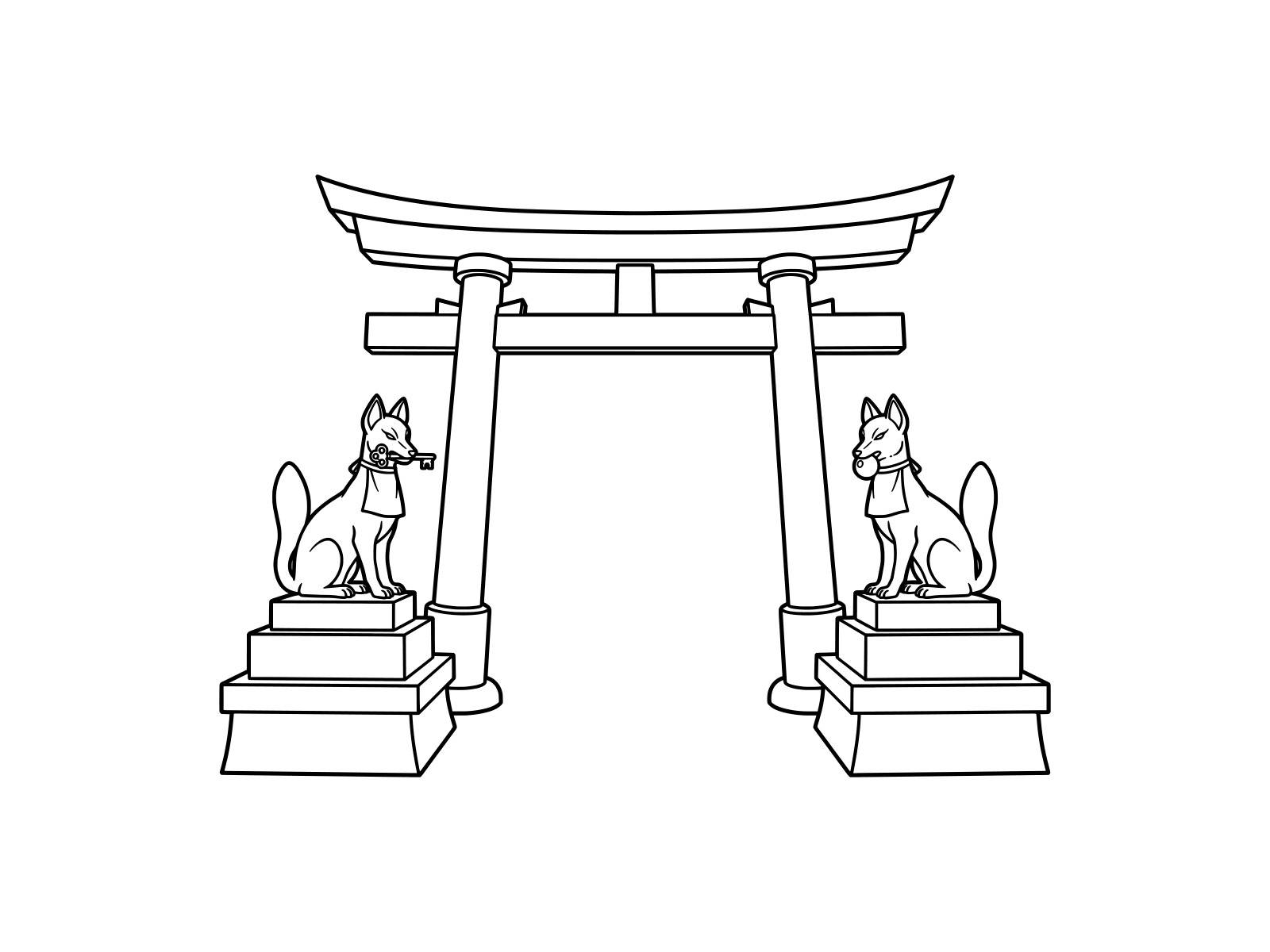
Make the foxes white and their bibs red
The fox statues are made of stone, so it is best to color them light gray, or leave them white.
Instead, if you color the bibs around their necks a bright red, the foxes will really stand out in your picture!
Take a look at what they hold in their mouths, too. The one on your right holds a jewel, and the one on the left holds a key. If you color only these parts gold or yellow, you will wonder why they have them!
Fun Facts About Fushimi Inari Taisha Shrine
Foxes are not gods, but messengers
People often think "Oinari-san is a fox god," but that is actually not true.
Foxes are not the gods themselves, but are believed to be messengers of the gods. People thought they were invisible white foxes and called them Byakko.
To people long ago, foxes were helpful animals because they ate the mice in the rice fields. People think foxes became linked to the rice god because they protected the rice harvest.
There is a meaning behind what they hold in their mouths
If you look closely at the two foxes in front of the Romon Gate, they are holding things in their mouths.
The fox on the right holds a jewel. It is said to show the power of the god itself.
The fox on the left holds a key. It is the key to a storehouse for rice, and it is said to mean "unlocking the god's power."
Foxes in other places sometimes hold ears of rice or scrolls. It is fun to compare what they are holding as you walk around Mount Inari.
Torii gates have fixed prices
Anyone can donate a Torii gate for Senbon Torii. The prices are clearly set. The smallest one costs several hundred thousand yen, and big ones can cost over one million yen.
When a Torii gate is set up, the name of the person or company who gave it and the date it was put up are written on the back.
Because they are made of wood, they get damaged after about 10 years. That is why they are rebuilt starting from the oldest ones, so the line of Torii gates keeps changing little by little.
The view that looks the same forever is actually getting brand new little by little every year.
Share These Fushimi Inari Taisha Shrine Coloring Pages


More Castles, Shrines & Temples Coloring Pages



-
Torii gates and fox statues at an Inari shrine
-
Senbon Torii
-
-
Fushimi Inari Taisha Shrine Romon Gate (Detailed)
-