Dango (Japanese Rice Dumplings) Coloring Pages

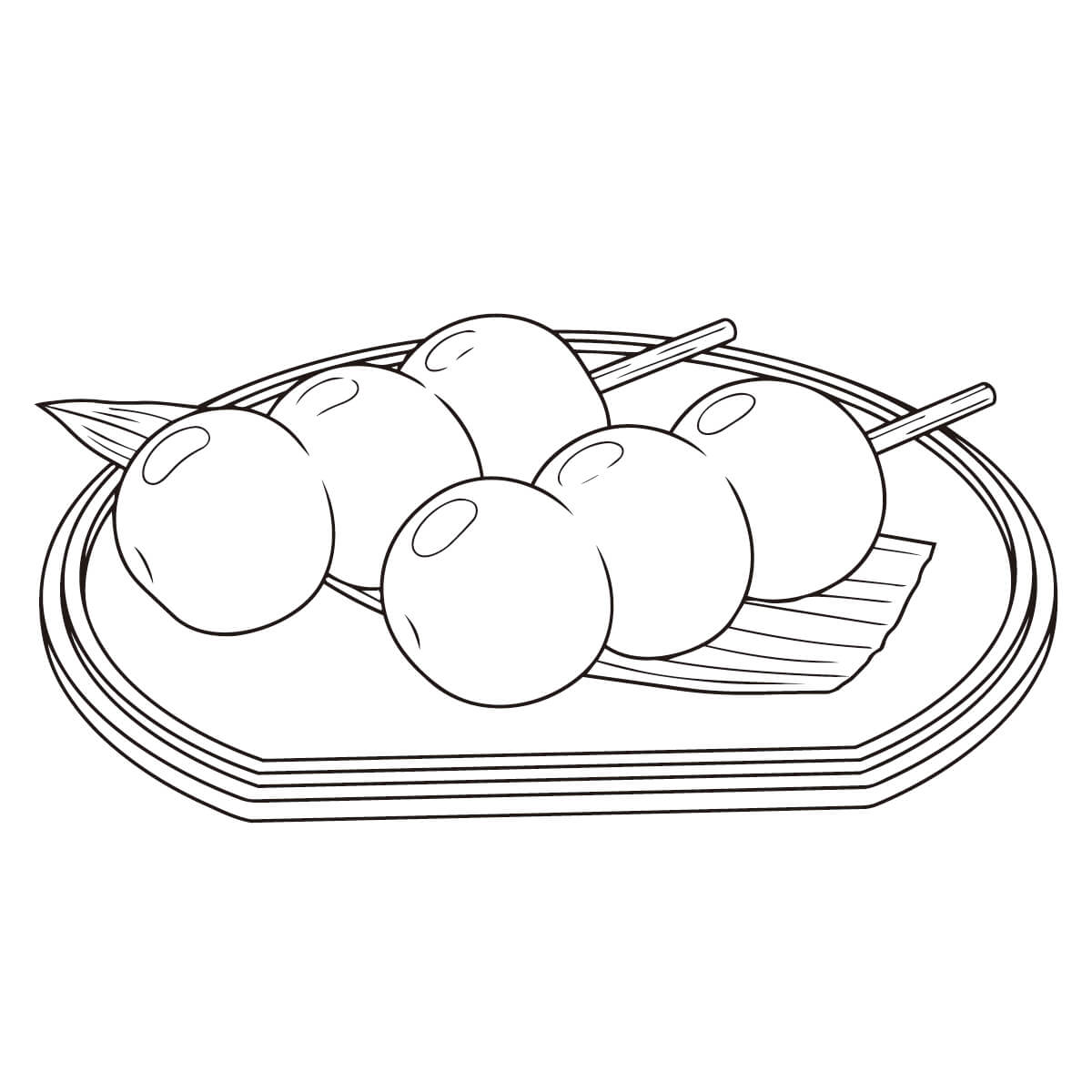
About Dango (Japanese Rice Dumplings)
Chewy and Yummy! Traditional Japanese Dango (Japanese Rice Dumplings)
Dango (Japanese Rice Dumplings) are a sweet treat loved in Japan for a long time, made by rolling rice flour into balls. They are famous for their chewy texture. There are many kinds, like ones on sticks or ones topped with sweet red bean paste! They are great for a snack, and people also use them as offerings to the gods. They are a food filled with Japanese culture.
Types and History of Dango (Japanese Rice Dumplings)
The history of Dango (Japanese Rice Dumplings) is very old. Some people say it started long ago in the Jomon period, when people rolled up acorn powder to eat! In the Edo period, tea houses in town started selling them as easy snacks, and they became like the ones we eat today.
- Mitarashi Dango (Japanese Rice Dumplings): These Dango (Japanese Rice Dumplings) are covered in a sweet and salty sauce made from sugar and soy sauce. The grilled smell is wonderful!
- Three-Color Dango (Japanese Rice Dumplings) (Hanami Dango (Japanese Rice Dumplings)): These Dango (Japanese Rice Dumplings) have three colors in a row: pink, white, and green. People often eat them in spring while looking at cherry blossoms.
- Red Bean Dango (Japanese Rice Dumplings): These Dango (Japanese Rice Dumplings) are topped with lots of sweet red bean paste. There are smooth pastes and chunky pastes!
- Kibi Dango (Japanese Rice Dumplings): This is a famous treat from Okayama prefecture, and it is famous in the story of Momotaro! It is made using a grain called "kibi" (millet).
The Secret to Their Deliciousness
Let's look at why Dango (Japanese Rice Dumplings) taste so good!
- Chewy Texture: People mix rice flour with water, then steam or boil it. This creates their special bouncy texture.
- Why Are They on Sticks?: Putting them on sticks keeps your hands clean so you can eat them outside easily. Long ago, people enjoyed them as fast food while walking around!
- Colorful Look: They look cute, just like the Three-Color Dango (Japanese Rice Dumplings)! A wonderful thing about Japanese sweets is that you can enjoy looking at them and eating them too.
How to Color Dango (Japanese Rice Dumplings)
How to Choose Your Colors
When you color your Dango (Japanese Rice Dumplings) coloring page, try to make them look soft and yummy!
- Mitarashi Dango Colors: Mix brown and orange together for the sweet sauce. If you leave a little bit of white space, the sauce will look shiny and delicious!
- Three-Color Dango Colors: The classic order from top to bottom is light pink, white, and light green. For the white part, add a tiny bit of gray or light blue shadow to make it look nice and round!
- Skewer Colors: They are often made of bamboo, so try using light brown or beige.
- Grill Marks: Add dark brown dots for "char marks" on your Mitarashi Dango (Japanese Rice Dumplings) to make them look freshly grilled and tasty!
Make Them Look Delicious!
Your picture will look even better if you add fun details to the plate and background!
- Plates: Try drawing a wooden tray or ceramic plate that matches traditional Japanese sweets. It is also nice to draw a teacup filled with green tea next to it!
- Seasons: For the three-color Dango (Japanese Rice Dumplings), you can scatter cherry blossom petals in the background. In autumn, drawing them with colorful fall leaves brings out the seasonal feeling!
Tips for Enjoying Your Coloring Page!
It can also be fun to make up your own creations, like "Rainbow Dango (Japanese Rice Dumplings)" or "Dango (Japanese Rice Dumplings) with Yummy Chocolate Sauce"! Use your imagination and make your very own unique Dango (Japanese Rice Dumplings)!
Fun Facts About Dango (Japanese Rice Dumplings)
No Autumn? The Secret Behind the Colors of Three-Color Dango (Japanese Rice Dumplings)
The three colors of Dango (Japanese Rice Dumplings) are said to show the seasons. Pink is for spring (cherry blossoms), white is for winter (snow), and green is for summer (fresh leaves). But if you look closely, there is no color for autumn! This comes from a fun Japanese wordplay. The words for "no autumn" sound just like "never get tired of" and "doing business." It shows that they are so yummy you will never tire of eating them, and it also brings good luck for selling lots of them!
The Number of Dango (Japanese Rice Dumplings) Is Different by Region
In the Kanto region, you often see 4 Dango (Japanese Rice Dumplings) on a stick. But in the Kansai region, many sticks have 5! There are a few reasons for this. One story says people used 4 pieces long ago to make it easy to count coins and give change. Another story says the 5 pieces look like a human body to help keep bad luck away.
Momotaro's Kibi-dango Is the Source of Power
Momotaro shares "kibi-dango" with his animal friends. Long ago, it was not a sweet treat like today. It was a nutritious perserved food made from a grain called millet. That might be why the dog, monkey, and pheasant got so much power to help fight the ogres!
Share These Dango (Japanese Rice Dumplings) Coloring Pages


-
Three-color dango
-
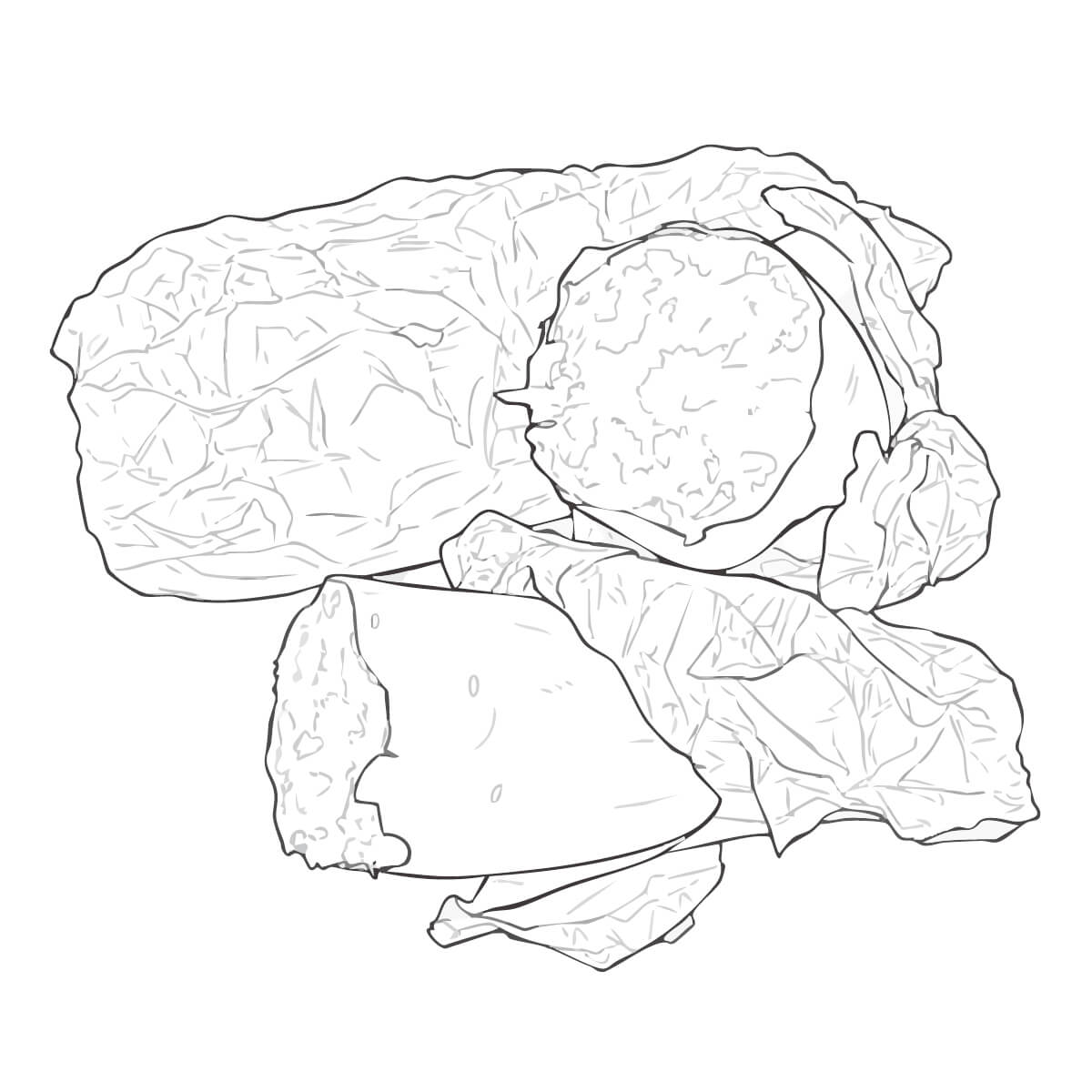
Anko Dango
-
-
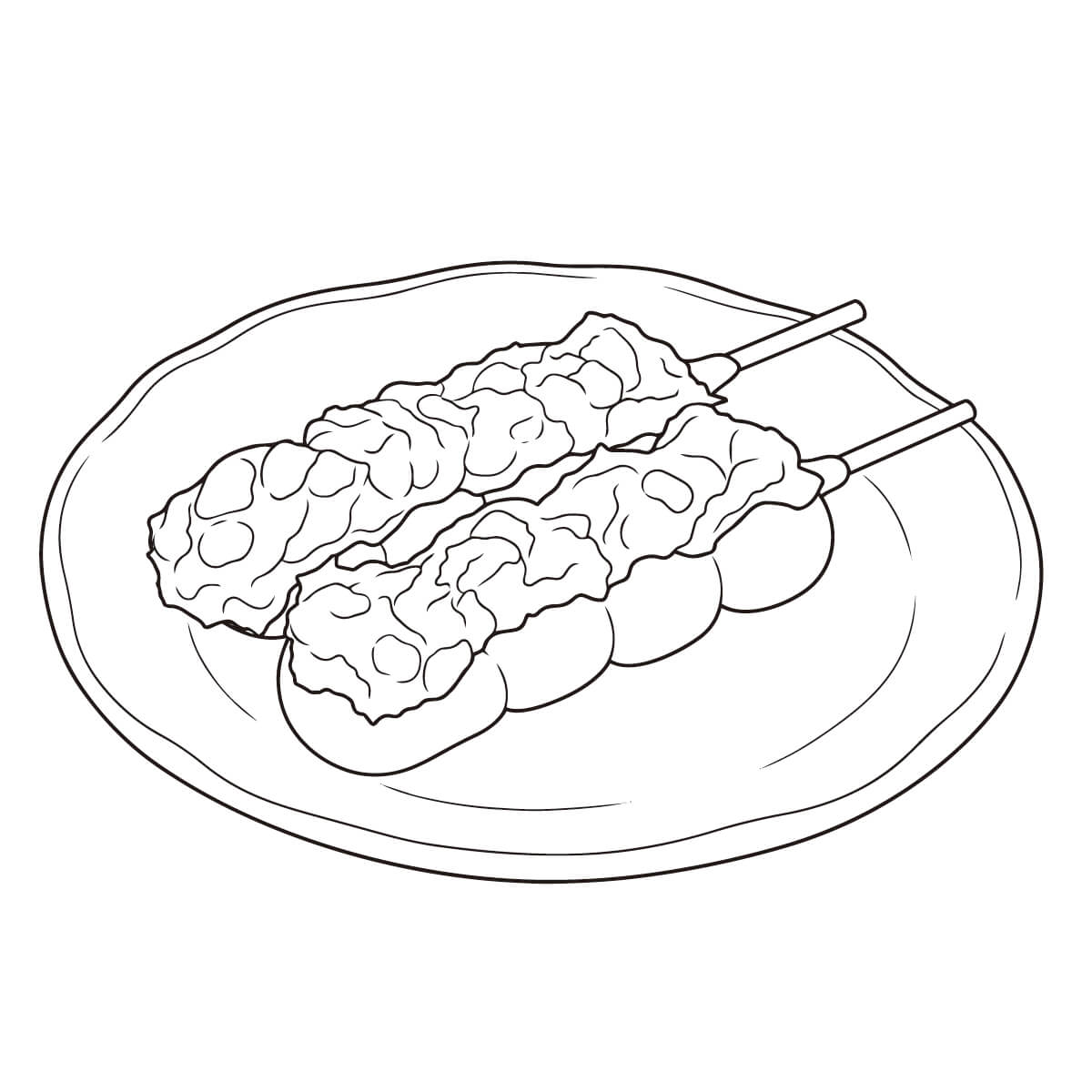
Mitarashi Dango

-
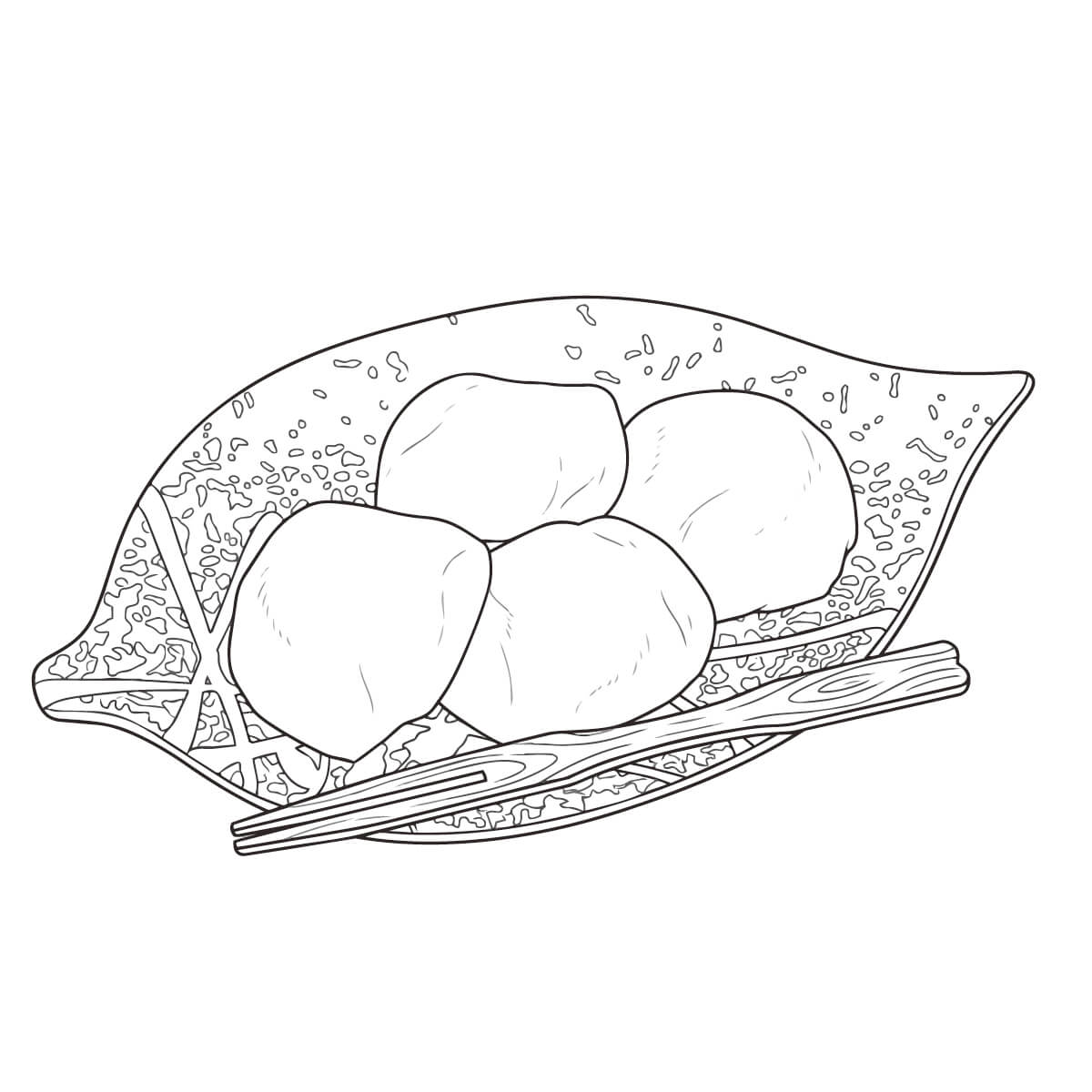
Kibi dango
-