Japanese grass lizard Coloring Pages

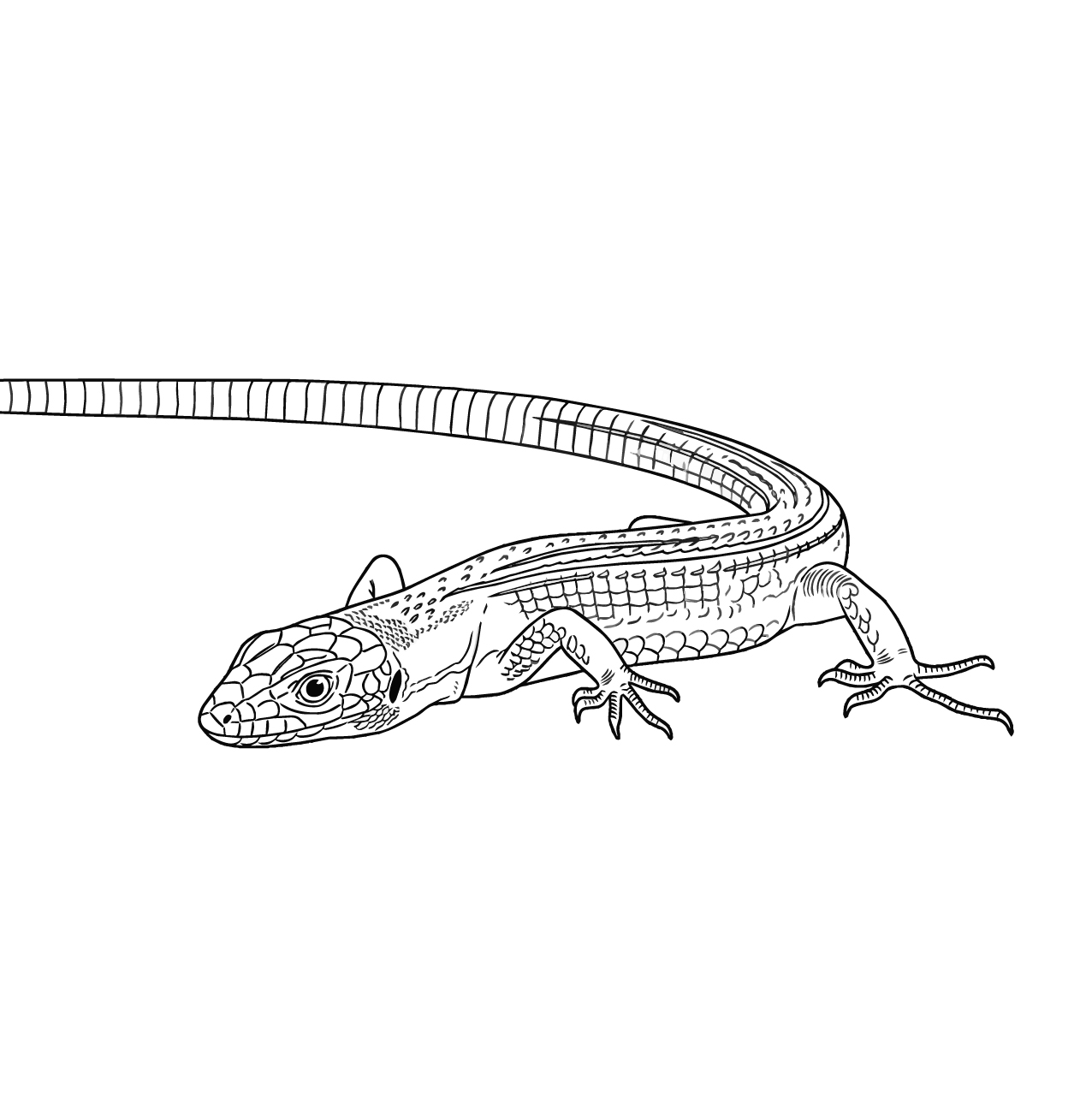
About Japanese grass lizard
Are They Snakes? Are They Lizards? Where Their Name Comes From
When you hear the Japanese name for the Japanese grass lizard, you might wonder if it is a type of snake. But it is actually a lizard with four legs!
-
The word "Kana" comes from an old Japanese word that means "cute" or "lovely."
-
People say they got their Japanese name because they look like "cute, small snake-like creatures."
When Can You Meet Them? Best Time to See Them
You can see the Japanese grass lizard moving around energetically from spring to autumn, around April to October.
-
In winter, they sleep under rocks or in holes in the ground and hibernate soundly until spring comes.
-
On warm spring days or summer mornings, you can often see them sunbathing to warm up their bodies.
Where Are They? Places You Can Find Them
The Japanese grass lizard lives all across Japan (Hokkaido, Honshu, Shikoku, and Kyushu). They are very familiar creatures.
-
They love sunny grassy fields, parks, home gardens, farm fields, and the edges of forests.
-
Plestiodons, which look similar, like damp places. But the Japanese grass lizard loves dry, bright places instead!
What Do They Eat? Their Favorite Foods
The Japanese grass lizard is a meat-eating hunter that eats creatures smaller than itself.
-
They catch and eat small bugs like spiders, grasshoppers, crickets, flies, and caterpillars.
-
They eat pests in gardens, so they are like helpful little guardians for us humans!
How Long Do They Live? Lifespan
In the wild, they are said to live for about 7 years.
-
They have many natural enemies in nature, but they live a relatively long time compared to other lizard friends.
-
If you take good care of them as a pet, they can live even longer!
They Have Super Long Tails!
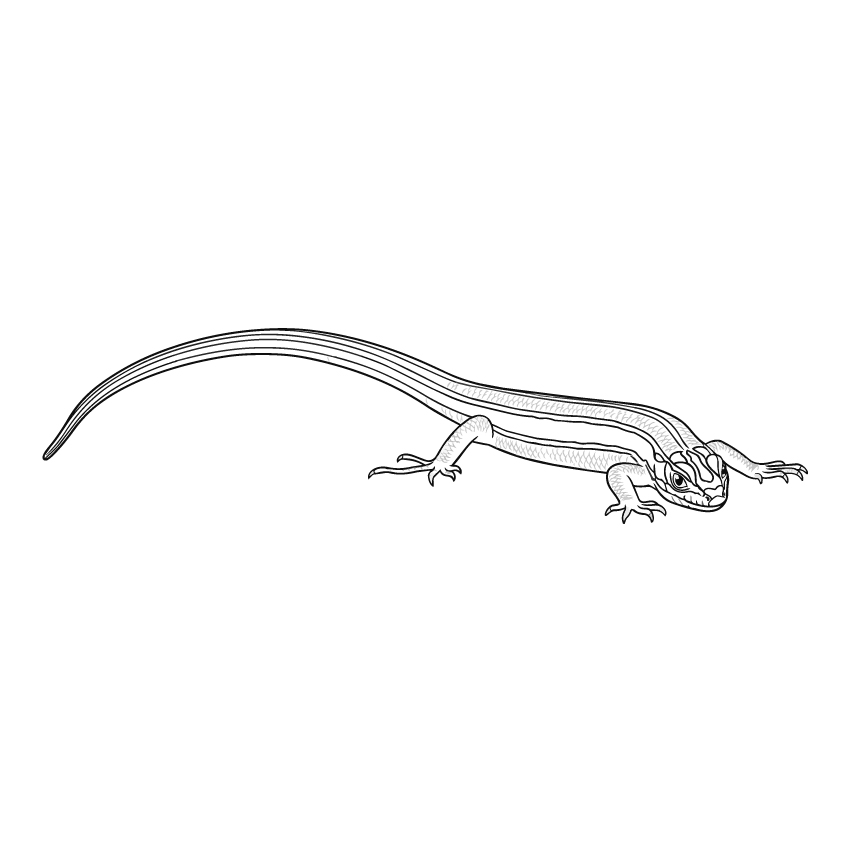
The most surprising thing about the Japanese grass lizard's body is how long its tail is.
-
The tail takes up about two-thirds of its total body length!
-
They use this long, wiggly tail to balance well and run fast through the grass.
The Secret of Their Rough Skin
The Japanese grass lizard's body is covered in scales, and it feels a little rough when you touch it.
-
Plestiodons are smooth and shiny, but the Japanese grass lizard is not shiny and has a calm brown color.
-
This color looks like fallen leaves or soil, working like a "camouflage cloak" so enemies cannot spot them easily.
Drop the Tail and Escape!
When enemies are about to catch them, the Japanese grass lizard uses an amazing trick!
-
They snap off their own tail, and the detached tail wiggles wildly to distract the enemy.
-
That gives them time to run away! A new tail will grow back, but the bones inside won't be the same as before. So let's watch them gently so they don't have to lose their tail!
They Love the Sun! Sunbathing
The Japanese grass lizard is "cold-blooded," which means it cannot raise its own body temperature by itself.
-
So in the morning, they sunbathe on rocks or leaves, warming up their bodies with energy from the sun before they start moving.
-
When they squint their eyes and bask in the sun, they look like they feel so good!
Cute Babies Born from Eggs
In early summer, the Japanese grass lizard lays about 3 to 6 small, white, soft eggs.
-
Mother lizards lay their eggs in damp soil or under rocks and hide them carefully.
-
After about 2 months, cute baby Japanese grass lizards hatch out, looking just like tiny versions of their parents!
How to Color Japanese grass lizard
How to Choose Colors: Brown and Cream Combination
The Japanese grass lizard has calm colors that blend right into the grass and dirt.
-
Main Color: Try using light brown or dark brown for its back.
-
Belly Color: Its belly is much brighter than its back. Use cream color or light yellow here.
-
White Stripe on the Side: There is a white line running from its nose all the way to its tail. Leave this part blank or use a white colored pencil to make it pop. It will look just like a real one!
Let's Show the Rough Scales
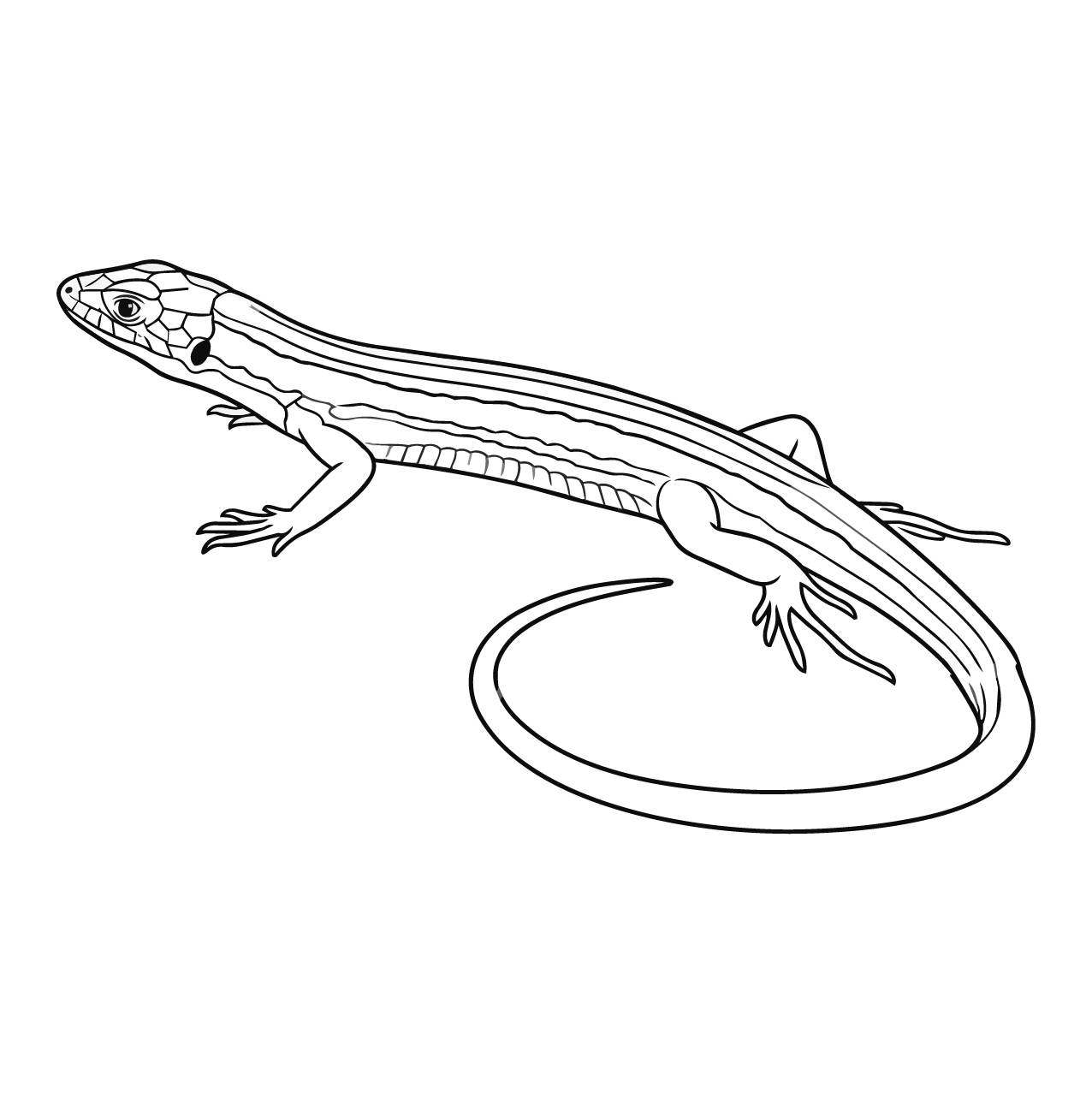
This coloring page has fine mesh-like patterns drawn on the body.
-
Think about each scale: Sharpen your pencil tip a little. Lightly tap color along these lines. This will give it that rough skin feel just like a real Japanese grass lizard!
-
Add shadows: Put a slightly darker brown in the wrinkles around its neck. It will look like it is moving its head!
Make the Long Tail Look 3D!
The long tail is the best part of the Japanese grass lizard. Let's make it look super cool!
-
Trick to make it look round: Make the middle of the tail a bit lighter. Color the top and bottom edges with a darker brown. This makes the tail look round like a tube and gives it a 3D look.
-
Tail segments: Carefully color the lines across the tail. It will look like the tail is wiggling around!
Make the Eyes Look Alive!
The eyes of a Japanese grass lizard are wide open and super cute.
-
How to color the eyes: Color the whole eye black. Then, add a small light spot (white dot) in the middle. It will look alive and ready to stare right back at you!
Draw Grass and Sunshine Around It!
The picture "Japanese grass lizard 1" has grass drawn under its feet.
-
Color the background: Color the grass bright green or yellow-green. This will make the brown Japanese grass lizard stand out.
-
Basking in the sun: Draw a shiny sun or bright ground in the empty spaces. It will turn into a fun scene of the Japanese grass lizard happily warming up in the sun!
Fun Facts About Japanese grass lizard
Isn't it related to snakes?
Even though it has "snake" in its Japanese name, the Japanese grass lizard is actually a member of the lizard family. It has four proper legs and blinks its eyelids. It is a very cute reptile!
Does its name mean "adorable snake"?
There are a few ideas about how it got its Japanese name, Kanahebi. One lovely story says it comes from its long, thin body like a snake and how adorable it is, so people called it an "adorable snake."
Rough scales that aren't shiny
It is easy to mix up with the Japanese lizard, another neighbor you might see. But the Japanese grass lizard has dry, rough scales with no shine. Its body is also slimmer and sleeker than the Japanese lizard.
It has a super long tail
A big feature of the Japanese grass lizard is its super long tail. More than half of its whole body is tail! Its tail is about twice as long as the rest of its body from head to bottom.
It drops its tail when in trouble!
When an enemy is about to catch it, it has a amazing power to pop off its own tail and run away. The tail that breaks off keeps wiggling wildly for a bit to trick the enemy!
Share These Japanese grass lizard Coloring Pages


More Reptiles & Amphibians Coloring Pages
-
Japanese grass lizard
-
Japanese Grass Lizard 2
-