Japanese lizard Coloring Pages

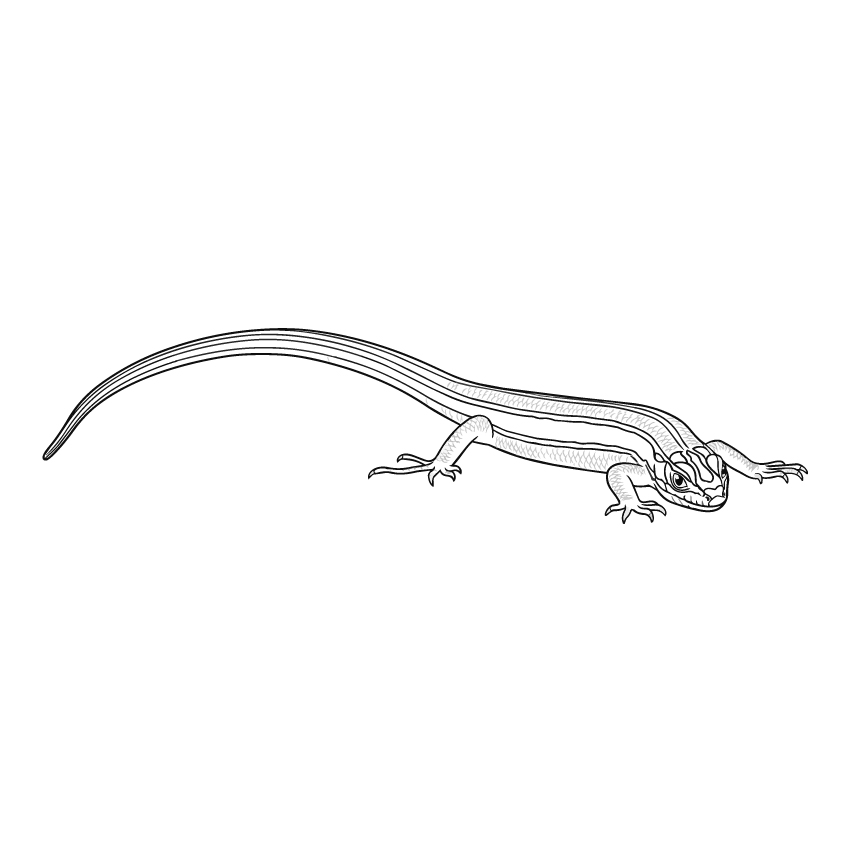
About Japanese lizard
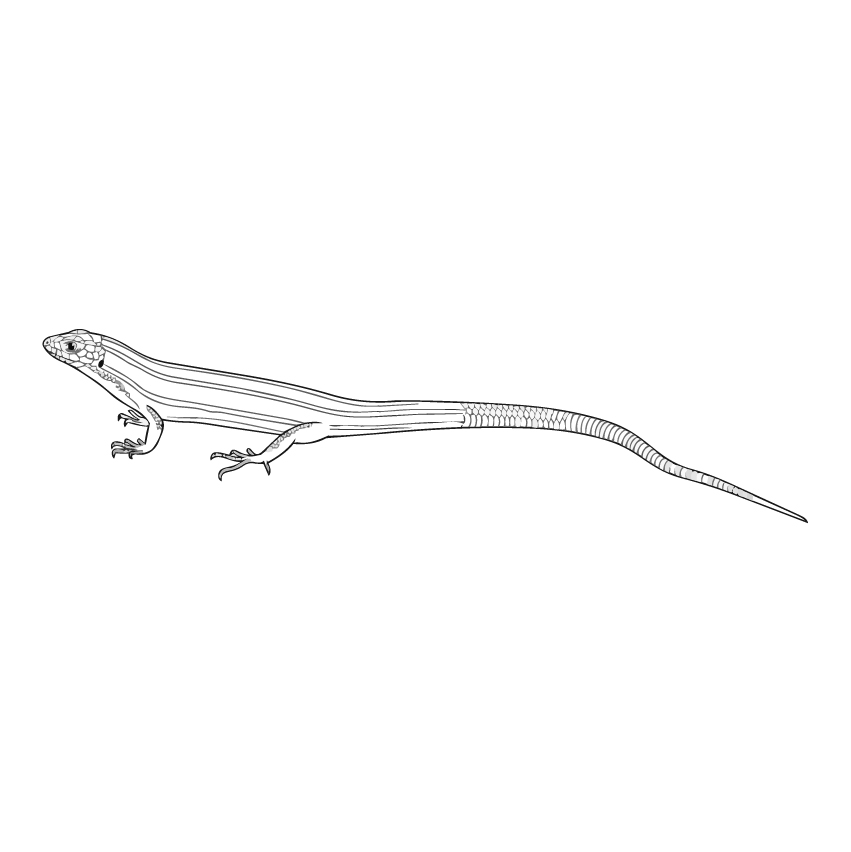
Sparkling in the Sunlight! The Japanese lizard
Out of all the lizards you can see in Japan, the Japanese lizard has a super shiny body. When the sunlight hits it, it shines like a rainbow or bright gold. It is a really beautiful lizard!
Where Does the Name Come From?
There are a few stories about how the lizard got its Japanese name, Tokage.
-
One story says it comes from words meaning "running outside" because of how it crawls on the ground.
-
Another story says people used kanji characters meaning "ten shadows" because it loves to soak up the sun.
-
It is called the Japanese lizard because it is truly the most famous lizard in Japan!
When Can You See Them?
Japanese lizards are active from spring to autumn, around April to October.
-
In winter, they dig deep into sunny slopes or under stones to hibernate until spring.
-
You can often spot them sunbathing on stone walls or by the roadside in early spring or early summer mornings.
Where Can You Find Them?
Japanese lizards live across wide areas of Japan, including western Honshu, Shikoku, and Kyushu.
-
They love sunny stone walls, forest edges, and garden bushes!
-
They like places that are a bit more damp than grass lizards do. Try looking in the cracks of rocks near water!
What Do They Eat?
The Japanese lizard is a carnivore that eats creatures smaller than itself.
-
It quickly catches and eats small bugs like spiders, grasshoppers, earthworms, and woodlice.
-
It is a fast hunter that searches for food near water and in grassy spots!
Japanese lizard vs. Grass Lizard
How are they different from grass lizards that look just like them? Here are some fun ways to tell them apart when you color your coloring page!
-
How the body feels: The Japanese lizard is smooth and shiny, but the grass lizard feels dry and rough.
-
Tail length: The grass lizard has a super long tail, but the Japanese lizard's tail is a bit shorter.
-
Color: Grass lizards are brownish. Japanese lizards have bright blue tails when they are babies, and look gold or brown when they grow up!
Babies Have Blue Tails!
Baby Japanese lizards have a very colorful look!
-
They have 5 clear yellow lines on their body, and best of all, their tail is bright blue!
-
People say this blue tail tricks enemies into looking at the tail instead of their important head.
Colors Change When They Grow Up
As they grow bigger, their colors change too.
-
The blue tail and yellow lines fade away. They change into a calm brown or gold color all over.
-
In spring, adult males can even turn orange or red around their face and belly!
Super Shiny Scales!
The coolest thing about the Japanese lizard is its smooth scales that reflect light like a mirror.
-
Thanks to these scales, it can slide smoothly into tight rock cracks and narrow spots.
-
They feel nice and cool when you touch them!
A Special Trick: Dropping Its Tail!
When an enemy is about to catch it, the Japanese lizard can drop its own tail to get away.
-
The dropped tail wiggles around for a while to surprise the enemy!
-
The Japanese lizard runs away while the enemy is looking. A new tail will grow back, but it takes a lot of energy, so try not to scare them into dropping it!
How to Color Japanese lizard
How to Choose Colors: Decide If It Is Young or Grown-up!
The Japanese lizard has very different colors when it is young and when it is grown up. Decide which one you want to draw before you start!
-
If you make it young: Color the body dark brown, almost black. Make the 5 lines on its back bright yellow. Color the tail from start to tip in bright blue or light blue**. That will look super cool!
-
If you make it a grown-up: Color the whole body brown or light gold. If you make it a boy Japanese lizard, color the throat orange**. It will look like a strong male looking for a friend!
Make It Look Shiny!
Let us try to show the shiny skin of the Japanese lizard!
-
Leave some white: Leave a thin white spot on the round part of its back. Do not color there! This makes it look like bright sunlight is shining on its smooth skin!
-
Mix colors: Color yellow or orange lightly over the brown. It will look shiny and cool like metal!
Color the Scales with Care
The coloring page lines show tiny scale patterns.
-
Trace the lines: Trace the scale lines gently with a sharp pencil.
-
Change colors: Color the belly light cream or white, lighter than the back. This makes the body look round and real!
Show How the Long Tail Moves
The Japanese lizard often has a wiggly, curvy tail.
-
Curved parts: Color the inside of the curve a bit darker. Color the outside a bit lighter. This shows how soft and wiggly the tail is!
Draw a Background to Make It Come Alive!
-
A spot to warm up: Draw gray stones or a stone wall under its feet. It will look like it is enjoying the warm sun!
-
Grassy shade: Draw a little bit of grass nearby. It is fun to show it hiding in the shade!
Fun Facts About Japanese lizard
Shiny and Smooth Body
Unlike the grass lizard, the body of the Japanese lizard is covered in "shiny and smooth scales." When it gets hit by sunlight, it sparkles like metal and looks super pretty!
Tail is Bright Blue When It's a Baby!
A baby Japanese lizard has a black body with gold stripes, and the tip of its tail is "bright metallic blue." People say this helps distract enemies like birds to look at its bright tail when attacked.
Colors Change When It Grows Up
Even though it has a blue tail as a baby, "the blue color disappears and changes to brown" as it grows into an adult. Its body also gets bigger and turns into a strong, "chubby and sturdy" shape!
It Drops Its Tail in a Pinch!
When an enemy is about to catch it, it can "pop its own tail off" to get away, just like the grass lizard! The dropped tail keeps moving for a little while, and it quickly runs away while the enemy is watching the tail.
Loves Sunbathing in the Sun
The Japanese lizard needs to "warm up its body with sunlight." So on sunny days, you can often see it happily sunbathing on top of rocks or in sunny spots!
Share These Japanese lizard Coloring Pages


More Reptiles & Amphibians Coloring Pages
-
Japanese Plestiodon
-
Japanese Lizard 2
-