Platypleura kaempferi Coloring Pages
 ~
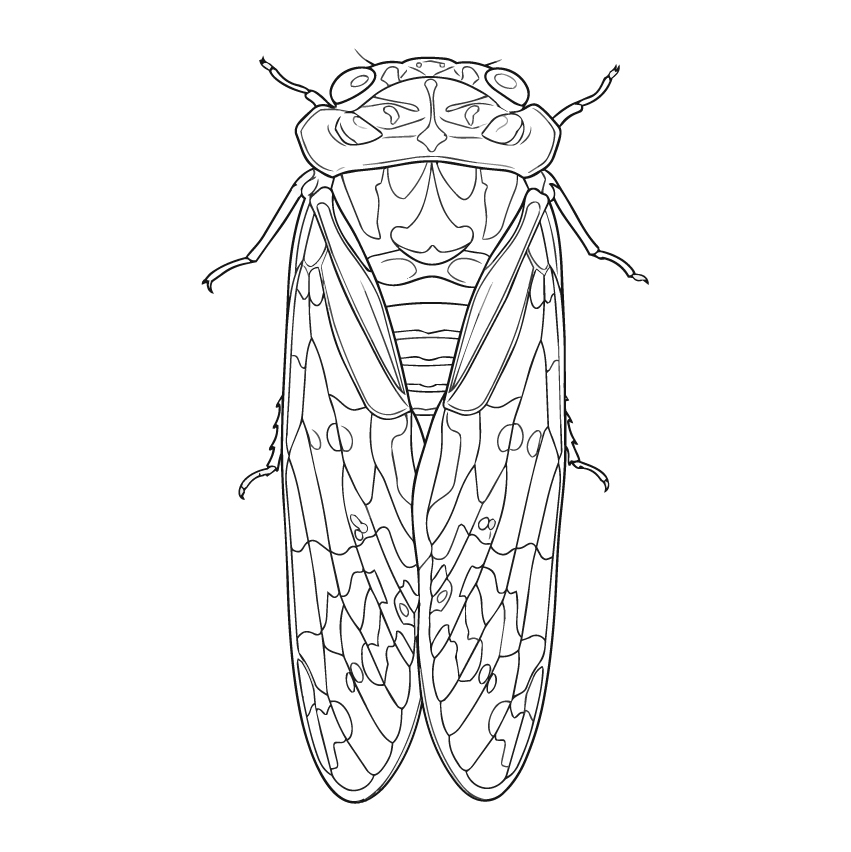
~ 
About Platypleura kaempferi
How Platypleura kaempferi Got Its Name
People say Platypleura kaempferi got its Japanese name because its call sounds like "chee... nii-nii-nii...". In English, it is called "Small Brown Cicada" or "Kaempfer cicada," named after a researcher. The name means just what it looks like: a small, brown cicada!
When Can You See Platypleura kaempferi?
Platypleura kaempferi comes out much earlier than other cicadas. You can see them from late June through August. When you hear their call near the end of the rainy season, you know real summer is starting! Sometimes they sing happily until evening, long after other cicadas stop.
Where Does Platypleura kaempferi Live?
You can find Platypleura kaempferi across a wide area in Japan, from Hokkaido to Kyushu. They love cherry trees in city parks and gardens. You will often see them sitting on tree trunks. They do not like dry places and prefer spots that stay a bit damp. They like to sit lower down on trees than other cicadas, so you can find them easily!
What Does Platypleura kaempferi Eat?
Platypleura kaempferi pokes its straw-like mouth into tree trunks to drink sap. They especially love cherry and zelkova trees. When they are young nymphs, they live underground and drink juice from tree roots for many years to grow big.
How Long Does Platypleura kaempferi Live?
You might think cicadas live short lives. But they actually live quite a long time if you count their life underground!
-
Underground (as a nymph): About 4 to 5 years.
-
Above ground (as an adult): About 2 weeks to a month after shedding their skin. People used to think it was just one week. But new research shows they can live longer!
Masters of Hide-and-Seek! How They Look
Platypleura kaempferi is a small cicada, only about 2 to 2.5 centimeters long. Their special trick is camouflage! Their bodies have tricky patterns of brown, gray, and light green. When they sit on a tree trunk, they blend in so well you cannot see them at all. This cool trick keeps them safe from birds!
The Secret Shell: Muddy Clothes!
You can spot the empty shell of Platypleura kaempferi right away. Shells from other cicadas are smooth. But the shell of Platypleura kaempferi is covered in mud all over! That is because the nymphs live in damp soil and hatch with mud still on them. Their shells are also small and round.
How to Color Platypleura kaempferi
Try Making a Camouflage Pattern
If you want to color Platypleura kaempferi realistically, the trick is to use more than just one color!
-
Base color: First, color the whole body lightly with light brown or gray.
-
Add patterns: Next, use dark brown, black, or dull green to make tiny dots and short lines all over.
-
Match the tree bark: Use colors that look like tree bark. It will really show off how great Platypleura kaempferi is at hide-and-seek!
How to Color Wing Patterns and See-Through Wings
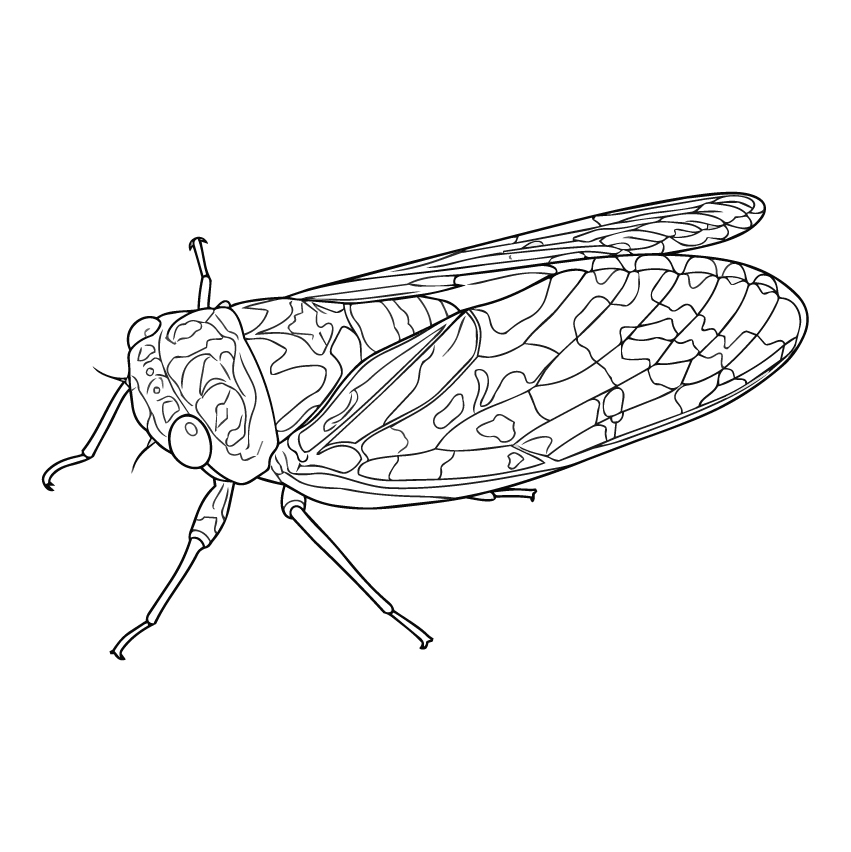
The wings of Platypleura kaempferi have clear parts and patterned parts mixed together.
-
Wing patterns: Color the busy patterns across the wings carefully using brown or black.
-
Make them look clear: Leave the parts without patterns blank, or color them very lightly with light blue or gray. This makes them look see-through!
-
Magical colors of a newborn cicada: If you color Platypleura kaempferi right after it comes out of its shell, color its body and wings with very pale emerald green or white. This shows the magical moment before its colors get darker!
Use Different Textures for the Shell and Tree Bark
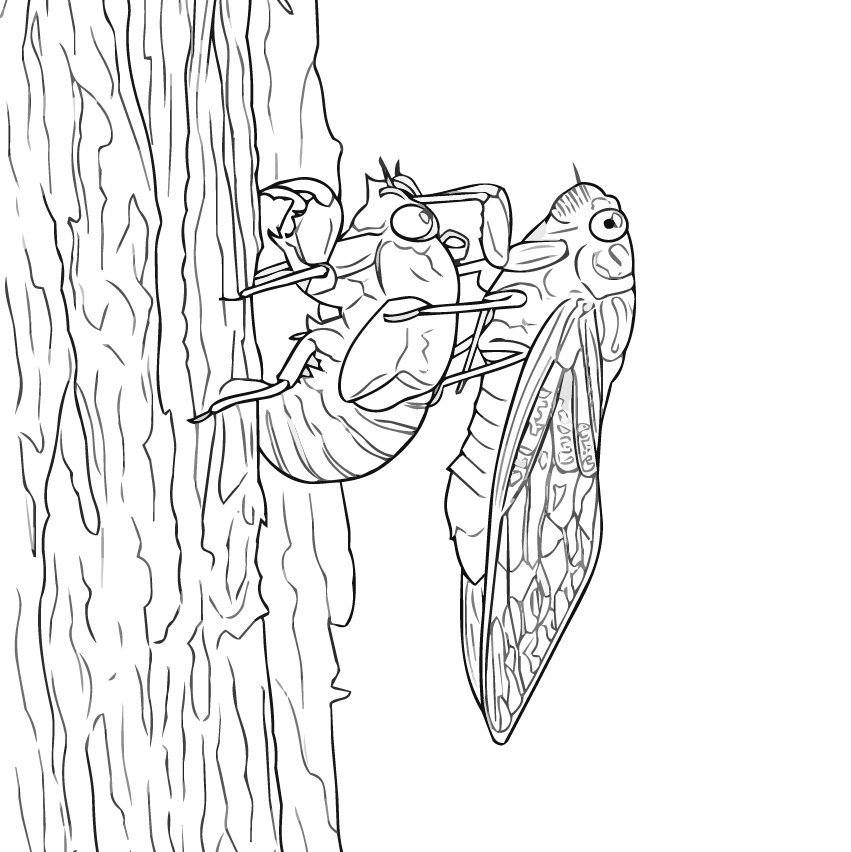
When you color a scene of it coming out of its shell, try using three different textures.
-
Tree bark: Draw long lines going up and down to make the bark look rough and bumpy.
-
Empty shell: Use mud colors like yellowish-brown or brown. Color it with a smooth, non-shiny finish so it looks muddy!
-
Cicada body: The body right after coming out looks wet. Leave a few white spots to show light bouncing off it!
Little Details on the Tiny Legs
A cicada has spiky legs so it can hold on tight to trees.
-
Leg joints: Use a darker color on the leg joints to make them look strong.
-
Belly lines: If you can see its belly, add a little shadow under each line. This makes it look round and 3D!
Platypleura kaempferi is a small, strong insect that lets us know summer is here. Use your great eyes and colors to finish this amazing insect that hides so well on tree trunks!
Fun Facts About Platypleura kaempferi
They tell you that summer is starting!
Platypleura kaempferi start singing with a high-pitched "chee" sound near the end of the rainy season. They come out earlier than other cicadas, so they are loved as the very first cicadas to tell you summer is here.
Hide-and-seek masters on tree trunks
Their bodies have spotted patterns that look just like tree bark. When they sit on a tree, they hide so well that you cannot tell where they are at all! It is an amazing ninja trick to keep away from enemies like birds.
Shells covered in mud
If you find a cicada shell that is muddy and round, it is probably a Platypleura kaempferi shell. When they are young, they grow up in wet, muddy soil. So, they climb trees and become adults with mud stuck all over them!
Patterned wings are rare for cicadas!
Many cicadas have clear wings. But Platypleura kaempferi wings have detailed, tricky patterns on them. This pattern acts like cool camouflage suit to help them look like trees.
They might be lower down than you think!
You might think cicadas only stay high up in trees, but Platypleura kaempferi often sit on low branches or at eye level. They often stay very still even if you get close, so try looking for them gently!
Share These Platypleura kaempferi Coloring Pages


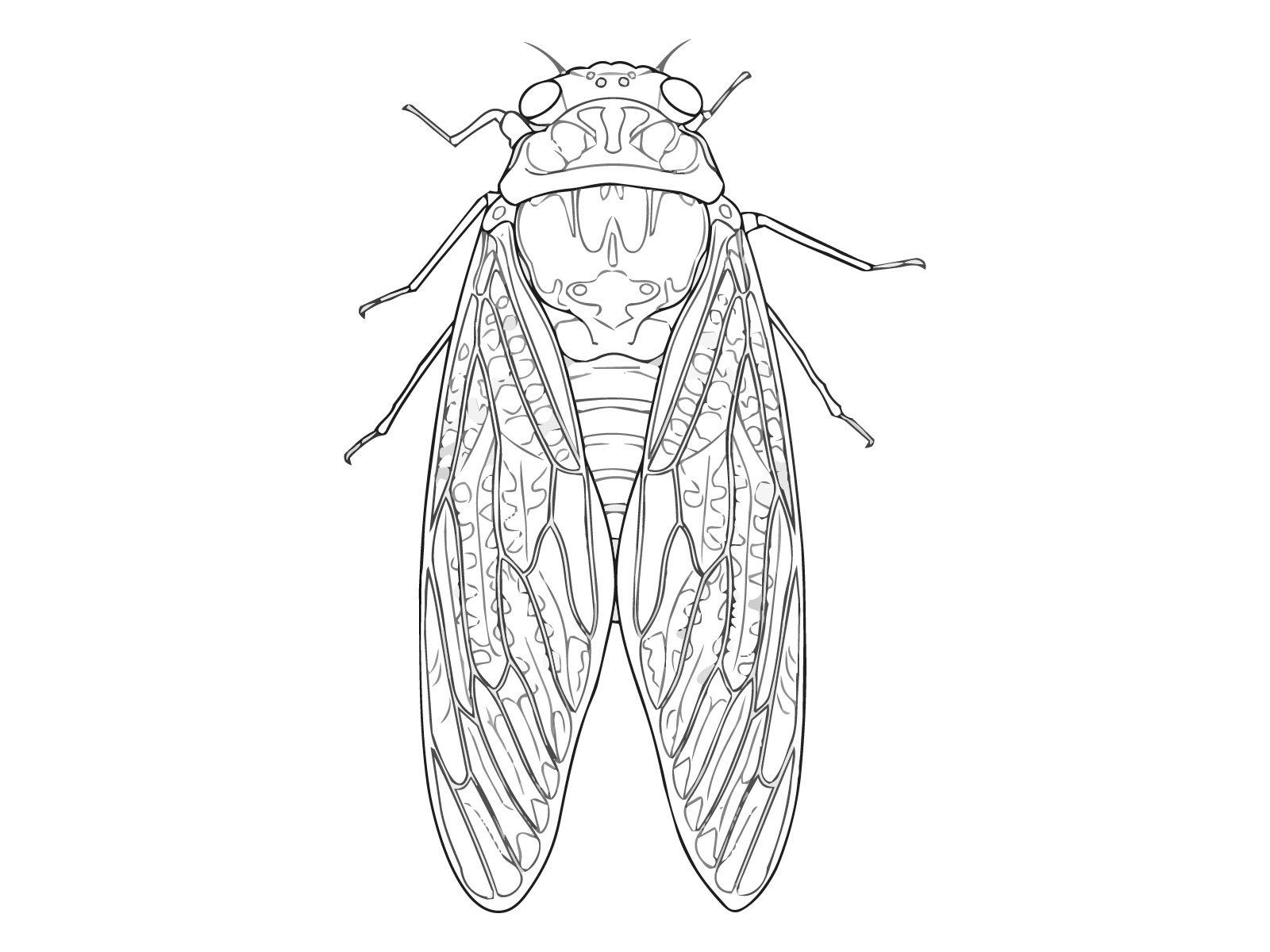
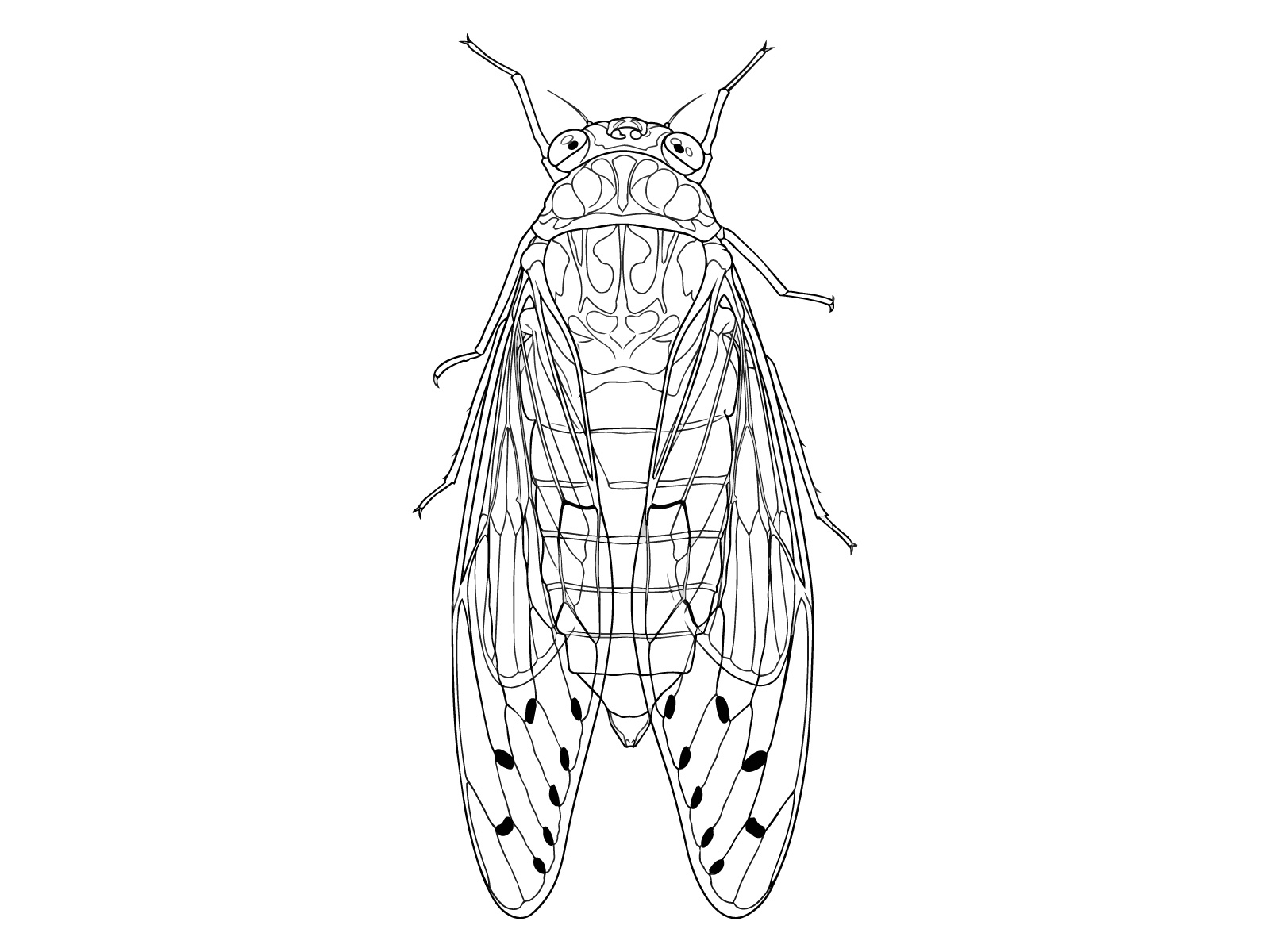
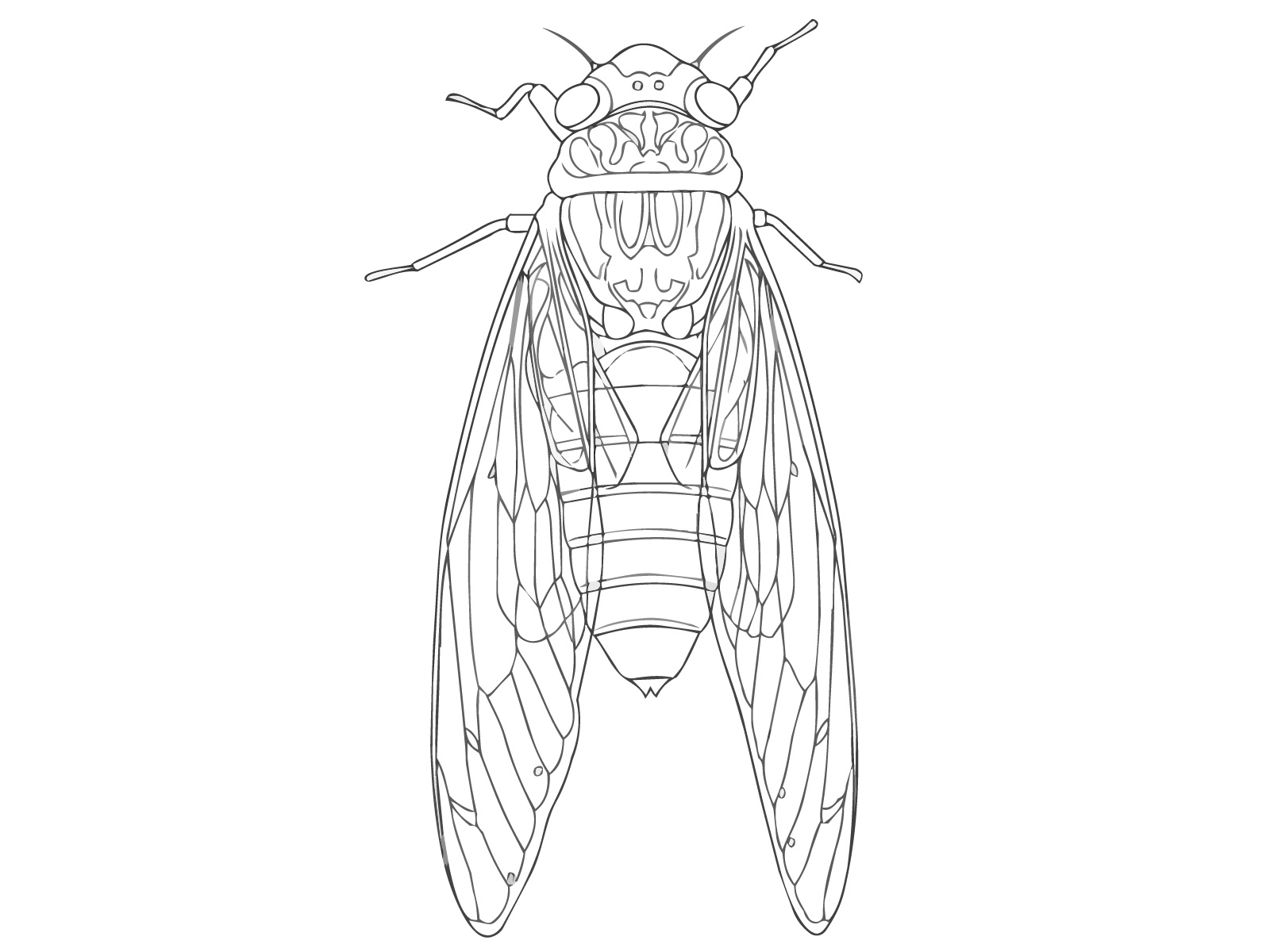
-
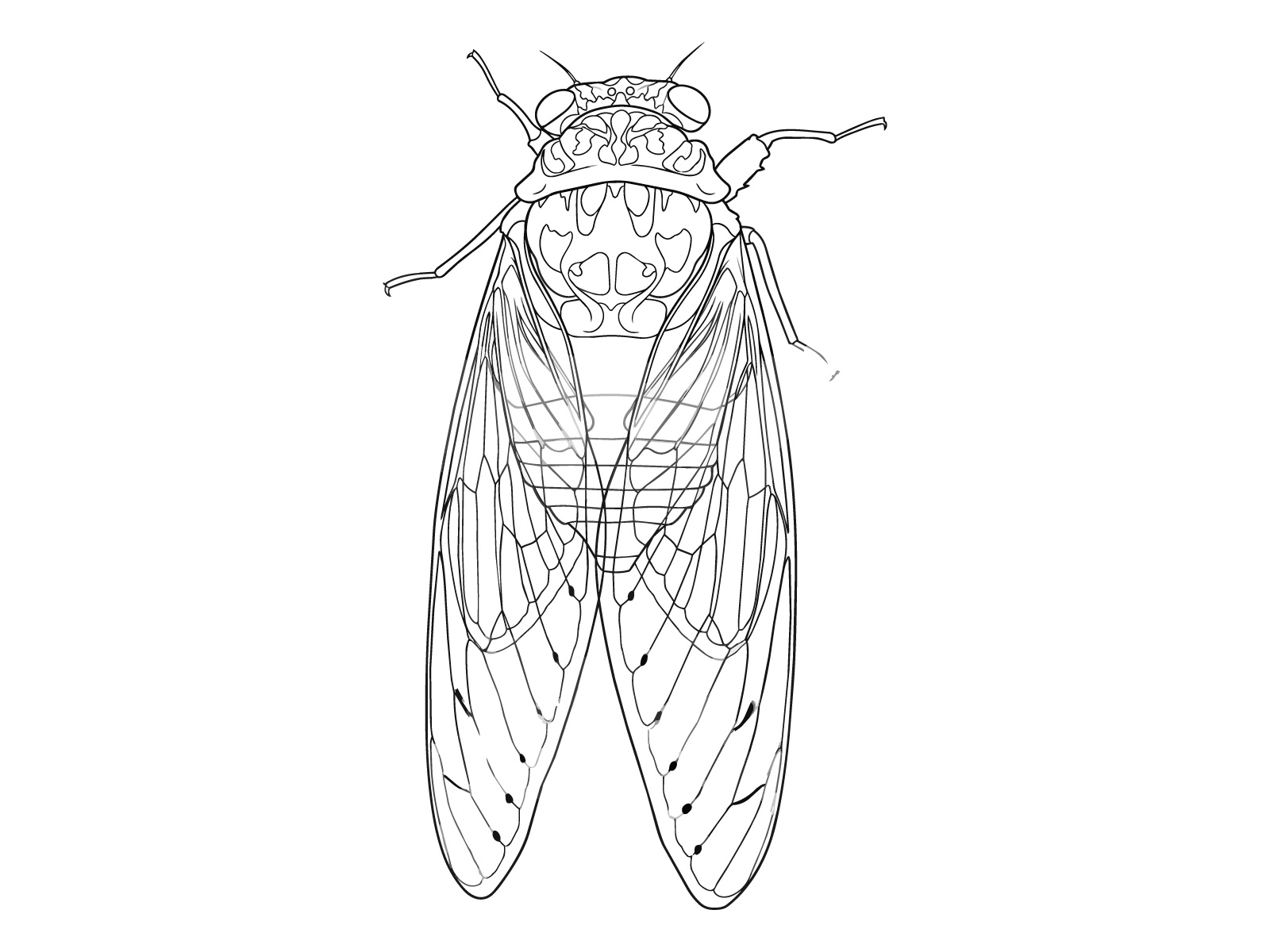
Kaempfer cicada
-
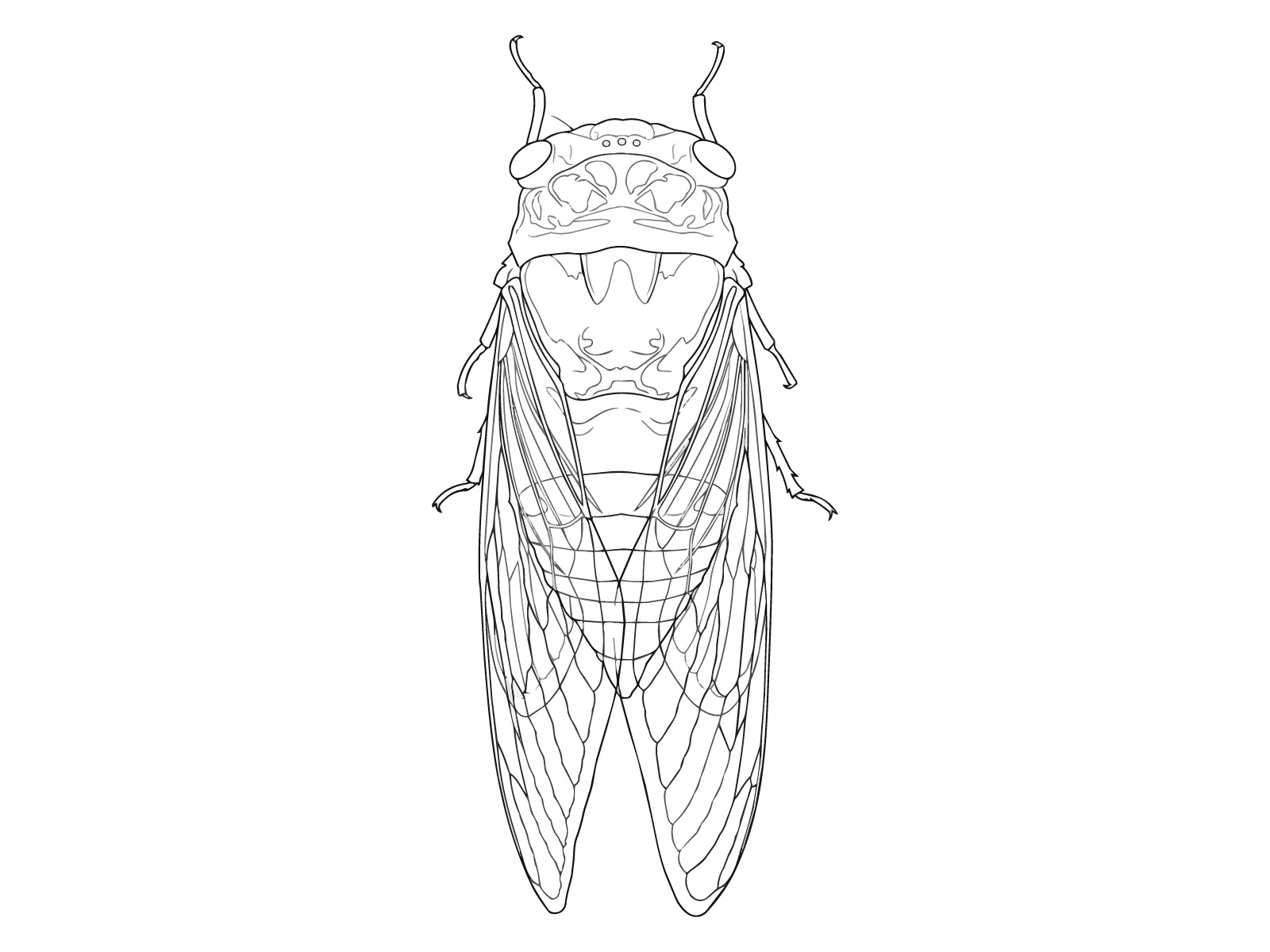
Kaempfer cicada 2
-
-
Emergence of a Platypleura kaempferi cicada
-