Evening cicada Coloring Pages

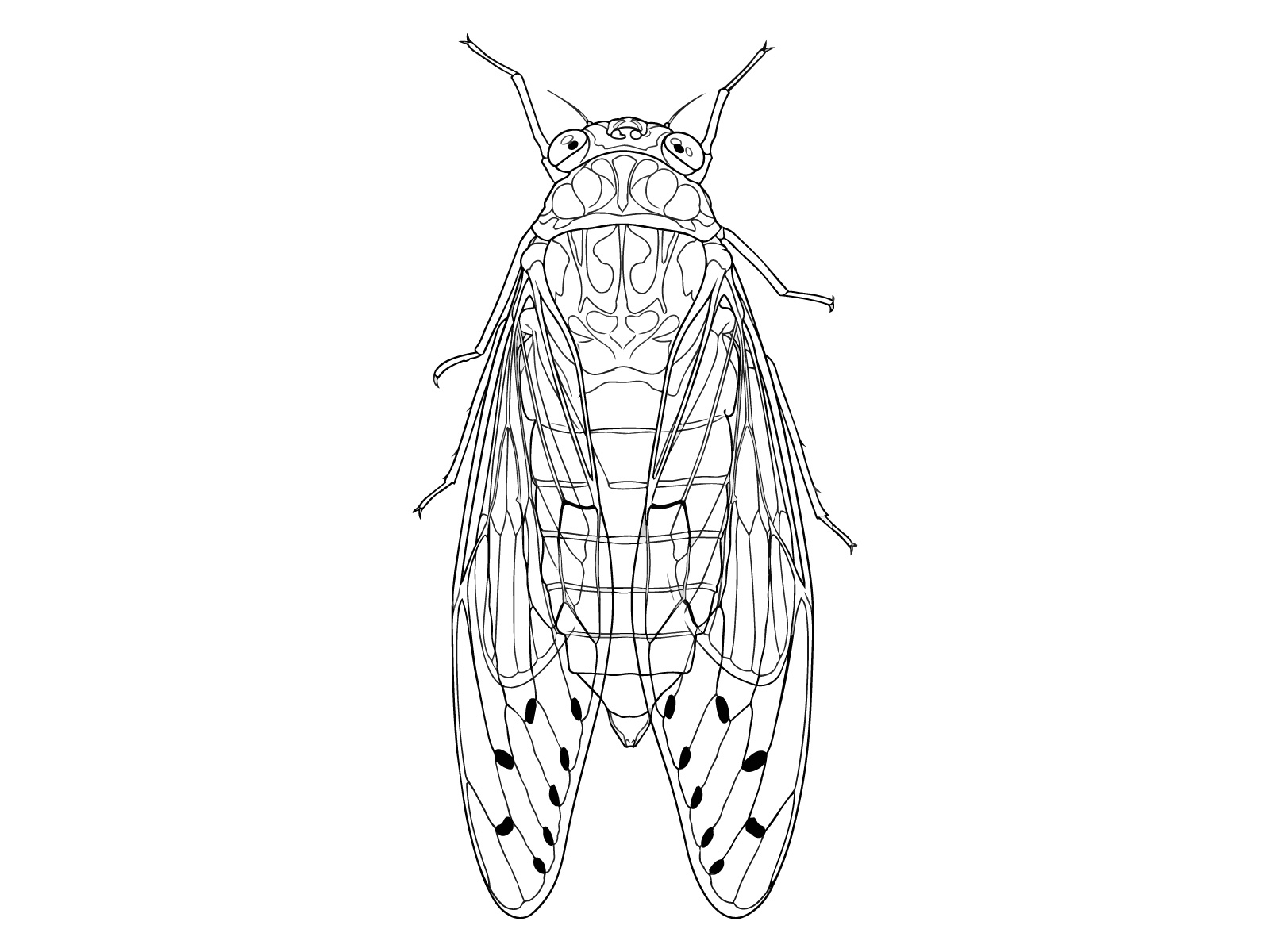
About Evening cicada
The star singer of evening's gentle songs! The Evening cicada!
Have you ever heard a sad, beautiful voice calling "Kana-kana-kana..." from somewhere on a summer holiday evening? The one that brings you that cool, wonderful singing voice is the Evening cicada! Unlike the noisy voices of Large brown cicadas or Robust cicadas, it makes you feel gentle and a little sad. It is the star singer of summer evenings.
The secret of the song that sounds like "Kana-kana"
Even if you do not know the name Evening cicada, some of your friends might call it the "Kana-kana cicada."
-
That is because it sounds just like it is singing its name.
-
It starts singing with "Ki-ki-ki-ki-ki..." and quickly changes into a beautiful voice like ringing bells that goes "Kana-kana-kana..."
-
Only male cicadas sing this song. They vibrate a part inside their belly called a sound organ to call their friends.
Its Japanese name comes from "the time when the sun sets"
The Japanese name for the Evening cicada is written with words that mean "sunset."
-
Just like its name, it was named because all of them start singing at once in the evening when the sun sets.
-
It has a very fun trick! Sometimes, on cool mornings before the sun comes up, or on dim, cloudy days, it thinks it is evening and starts singing "Kana-kana."
When can you see it? Its active season
You might think the Evening cicada only sings at the end of summer, but it actually comes out quite early.
-
It stays active for a long time, mainly from the end of June to mid-September.
-
During the hottest part of summer, it is too hot while the noon sun shines brightly. So it rests quietly in the shade of trees, and starts singing happily when it cools down in the evening.
How big is it? A slim, small body
Compared to Large brown cicadas or Cryptotympana facialis cicadas, its body is more than one size smaller and very slim.
-
An adult male is about 3 to 4 centimeters long.
-
It has a small body that is about the length of an eraser you use, or two bottle caps lined up.
-
Its body is small, but it is very fast! It is a master at hide-and-seek and flies away quickly when people come close.
Where does it live? It loves dim forests
More Evening cicadas live in places with lots of nature than in the middle of big cities.
-
They especially love cool, slightly dim forests and woods with lots of cedar and cypress trees.
-
You can often find them resting straight up on tree trunks at campsites near mountains, or in leafy temples and shrines.
What does it eat to grow big?
Both adult Evening cicadas and babies living in the ground share food from trees to live.
-
They poke their thin, sharp mouth like a straw into tree trunks and drink yummy, healthy tree sap.
-
They have a special mouth made for drinking sap from hard tree bark.
How long does it live? Life secrets
The Evening cicada spends most of its life in the dark ground.
-
As a baby, it drinks sap from roots in the ground and gets ready for about 1 to several years.
-
When it finally comes above ground, spreads its wings, and becomes an adult, it can only fly for a short time—about 1 to 3 weeks! That is why it sings with all its might in that beautiful voice.
Like camouflage clothes! Beautiful body patterns
The Evening cicada's body colors are some of the most beautiful among all cicadas.
-
Its main color is bright brown or reddish brown.
-
On top of that, it has a cool pattern mixed with bright mint green and deep black spots.
-
Just like camouflage clothes worn by soldiers, it can blend completely into tree trunks and moss. It is an amazing trick!
The male's belly is like a speaker!
If you look at a male Evening cicada's body from the side, you will find a fun secret.
-
The male's belly is bigger and longer than the female's belly.
-
Plus, the inside of the male's belly is almost totally empty!
-
This empty belly acts like a drum or a guitar. It works like a natural speaker that makes its voice echo and sound many times louder! That is why it can sing loudly across the forest, even with a small body.
How to Color Evening cicada
How to Choose Colors: Mix Deep Green and Reddish Brown
Here are tips on choosing colors to make your Evening cicada's cool camouflage pattern look just like the real thing!
-
Chest pattern: First, light color the whole area with light brown or orange as your base. Next, trace over the bumpy lines on its chest using pretty green or yellow-green. Last, trace firmly over the pattern lines with a deep black colored pencil. Mixing green and black will make it look realistic, just like in a nature guide!
-
Belly color gradient: When you color a boy cicada's big belly, make the middle part pale yellow or cream color. Then try adding shadows to the sides of its belly with reddish brown or gray. This makes the belly look nicely round and hollow inside!
Cool Tricks for Clear, Glassy Wings
An Evening cicada has clear wings like glass! The top secret trick is to not color the whole wing.
-
Leave white spaces: Try to leave plenty of plain white paper untouched in the wide spaces inside the wings.
-
Trace the wing veins: Carefully trace only the fine line veins drawn on the wings using the sharp tip of a light blue or pretty emerald green pencil.
-
Black dot patterns: Color the small triangle and dot shapes near the wing tips clearly with dark black. This simple trick makes the wings look clear, shiny, and beautiful!
How to Show a Round, Hollow Belly
Here are tips to make your insect look 3D, like it might start singing its "kana-kana" song right now!
-
Where to add shadows: Dark places are the neck folds under the head, the tops of the strong legs, and under the body where the wings overlap.
-
Layer light colors: Softly color these shadowy spots with dark brown or gray that is just a bit darker than your main color. This easily shows off the neat, round shape of a tough little bug!
Complex Chest Patterns and Sharp Claws
Carefully coloring the head and compound eyes will make your coloring page look extra awesome!
-
Jewel-like eyes: Color the big eyes sticking out on the sides with dark black or dark gray. Leave a tiny bit of white paper uncolored in the middle for a shiny highlight!
-
Tiny eyes on top of the head: Look closely at the middle of its forehead to find 3 tiny dots. Press down firm and color them with a bright ruby red or orange! It will make your bug look cool and alive.
-
Claws gripping the tree: Color the sharp claws on its feet solid black. Trace the bumpy leg spines clearly to make it look strong!
Color Freely! Add Backgrounds for More Fun
There are no wrong answers in coloring! Using your favorite colors freely is the most important thing.
-
Your own fairy cicada: You do not have to use real colors. It is awesome to make a shiny gold or silver Evening cicada that is the only one in the world!
-
Create a sunset world: Color the tree bark under your insect with rough brown or gray. Try drawing a pretty orange and purple sunset sky in the empty space around it! You can even add a bright red dragonfly flying by. Coloring with your own fun ideas will make your picture come alive! Have fun finishing your amazing sunset coloring page.
Fun Facts About Evening cicada
The evening musician that sings "kana-kana"
The coolest thing about the Evening cicada is its gentle and sweet song that sounds like "kana-kana-kana-kana..." Unlike the loud buzzing of other cicadas, its song feels nice and cool. People have loved it as a special symbol of Japanese summer for a very long time.
The secret behind its name
In Japan, people named the Evening cicada because hearing it in the late afternoon makes you think, "Ah, another day is coming to an end." Just like its name says, the evening is its work time!
It sings in the morning and on cloudy days too!
You might think the Evening cicada only sings in the evening, but it actually sings happily during the dim morning hours too. It is a bit unique, so it even starts singing on cloudy or rainy days when it stays dark during daytime.
It does not like super hot sunlight
The Evening cicada does not like hot, bright sunlight like other cicadas do. So, when it gets hot at noon, it rests quietly under big tree leaves. Then, as soon as it cools down, all the cicadas start singing together!
You can find them as early as July!
You might think they only sing at the end of summer, but you can actually hear them in the woods starting in early July. Many of them live in cool forests and mountains. They are cicadas that tell us summer is officially here!
Share These Evening cicada Coloring Pages


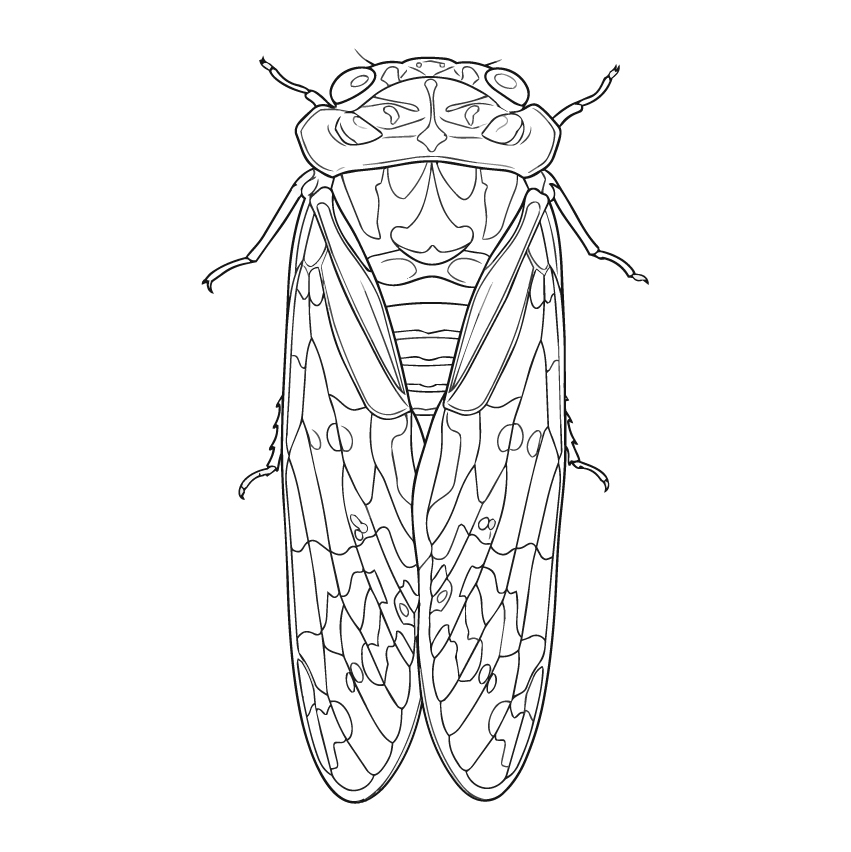
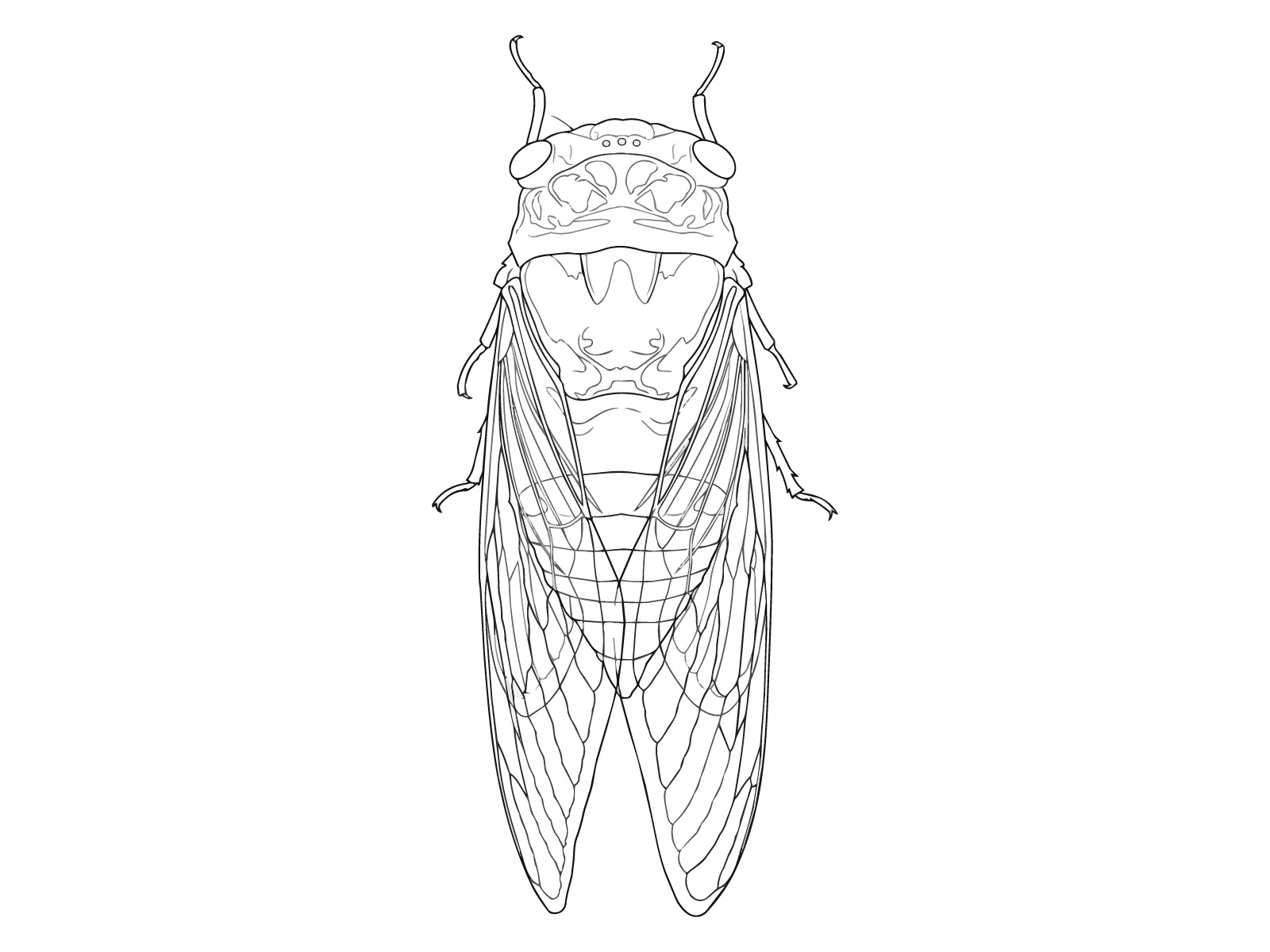
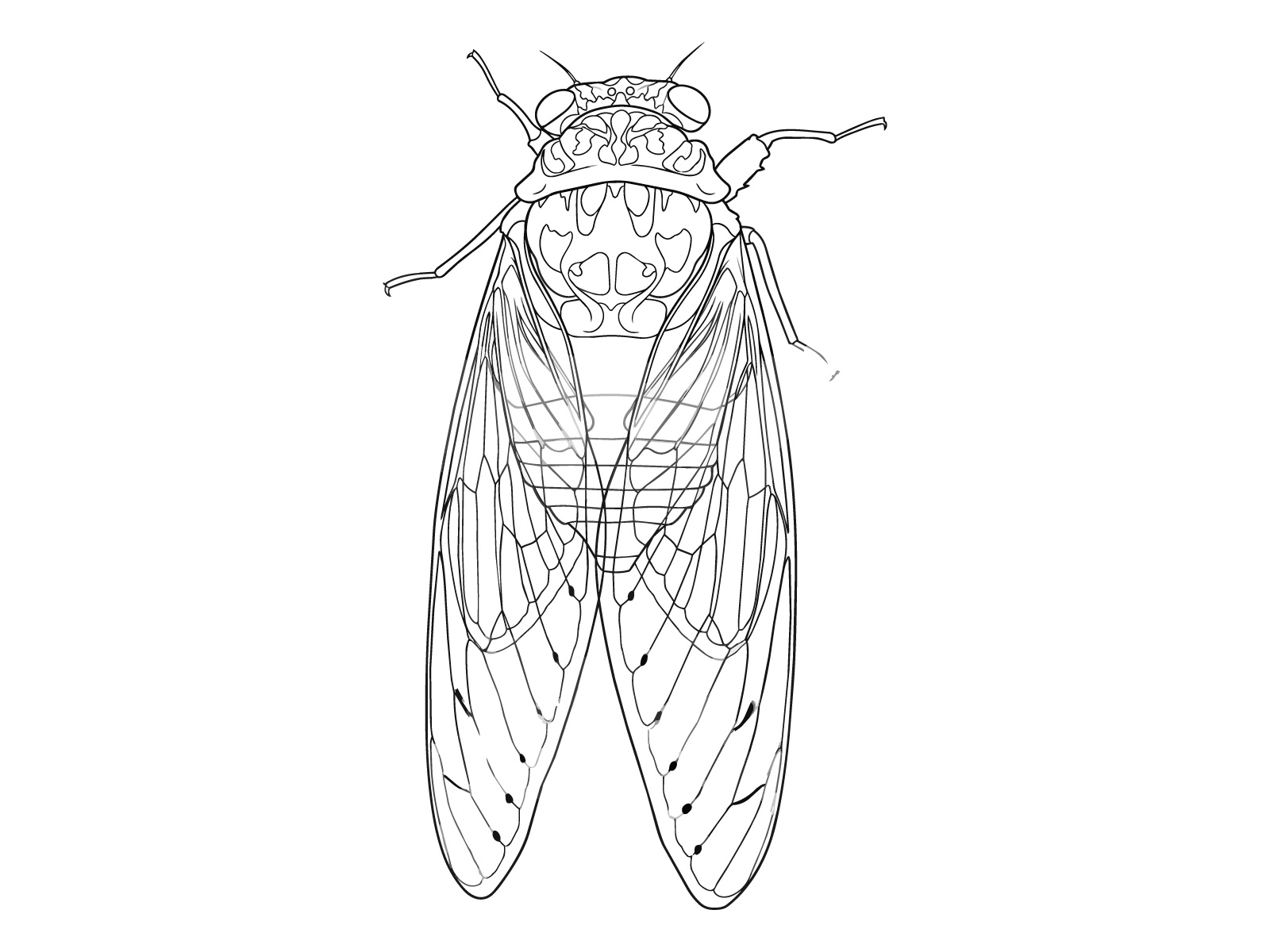
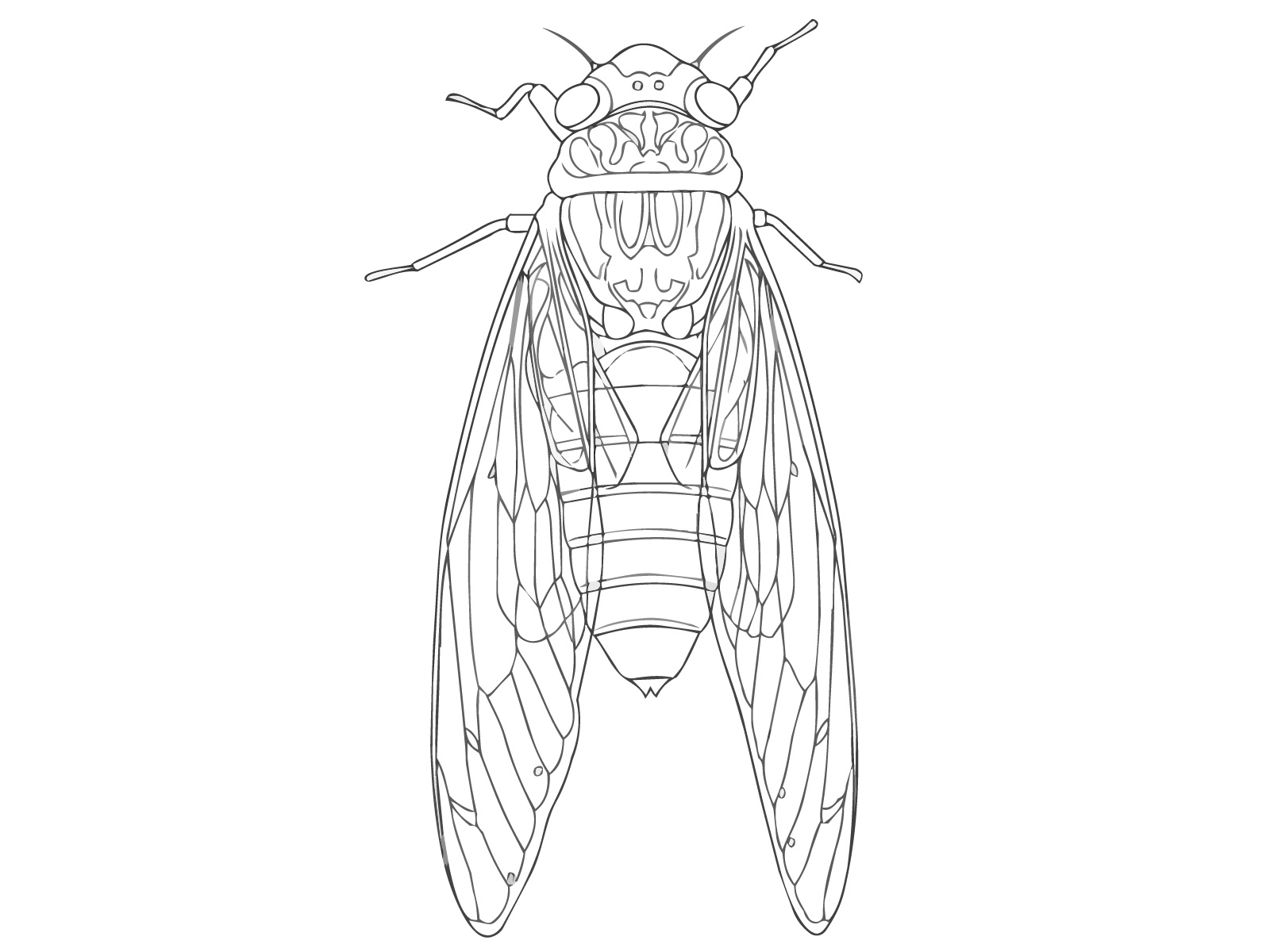
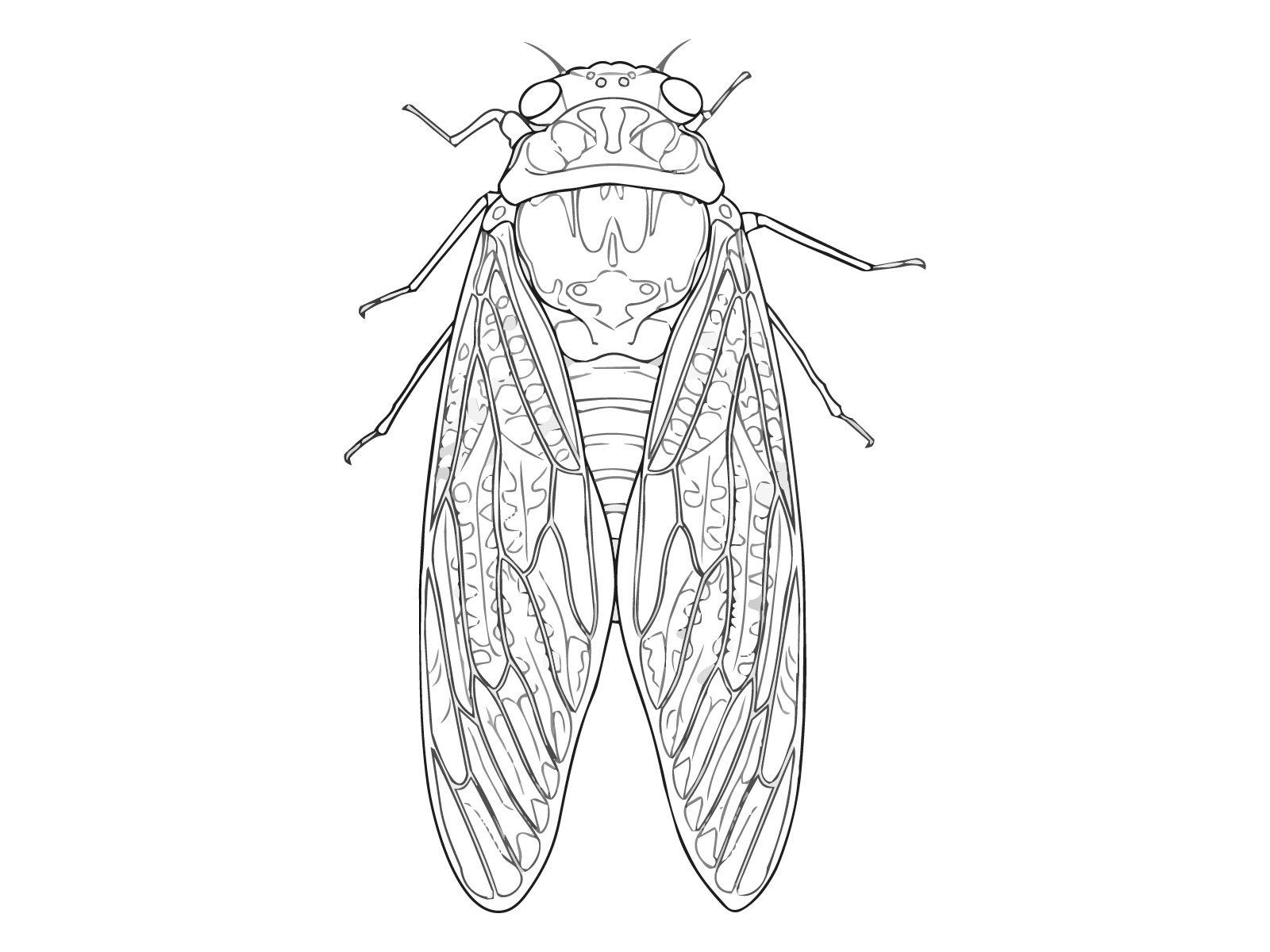
-
Evening cicada
-
Evening cicada 2
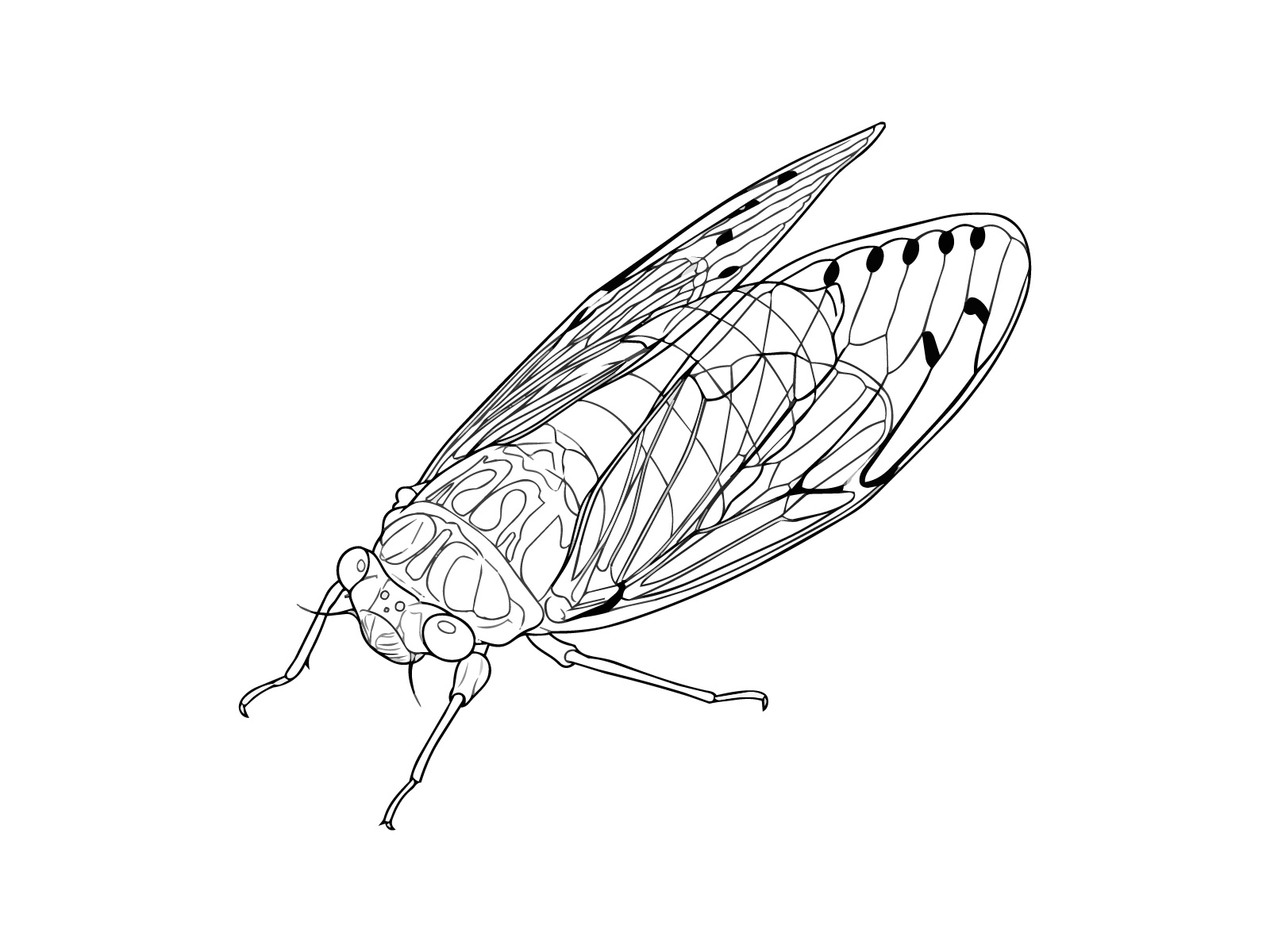
-