Bear cicada Coloring Pages

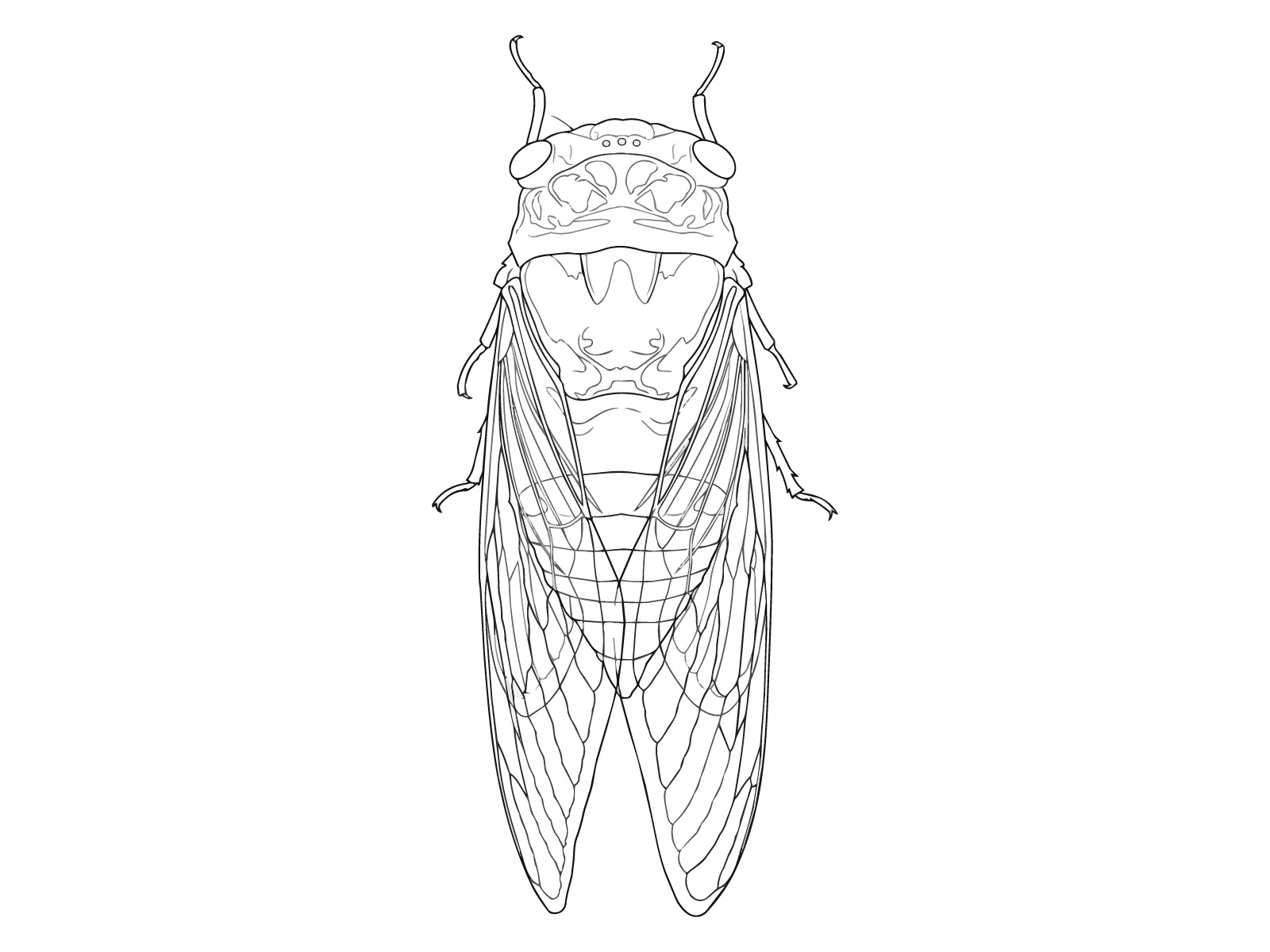
About Bear cicada
The biggest cicada in Japan! The Bear cicada
Do you know which cicada is the biggest and strongest-looking one you catch during summer break? That is the Bear cicada!
-
It is super big, about 6 to 7 centimeters long! That is as long as two big erasers lined up together.
-
It feels heavy when you catch it, and it is definitely number one among all cicadas.
Its name comes from the big bear
The name Bear cicada hides a secret about an animal you know very well.
-
People say it got this name because its big, all-black body looks like a big bear.
-
Out of all the cicadas, it looks extra tough and strong.
How does it buzz? A big chorus of "Washi-washi"!
The Bear cicada has a very loud buzz that carries far away.
-
It makes a exciting, powerful sound like "Shan-shan-shan..." or "Washi-washi-washi..." like a festival.
-
When many Bear cicadas start buzzing together, it turns into an amazing chorus that feels like a giant wave rushing in.
It loves mornings! A big concert in the morning
Each type of cicada has its own favorite time to sing out loud.
-
The Bear cicada is special because it buzzes happiest from early morning until noon.
-
Their big concert peaks right before noon as the sun comes up and it gets warm. In the afternoon, they usually rest quietly.
Where does it live? It loves warm towns
A long time ago, many Bear cicadas lived in the warm southern parts of Japan.
-
They mainly live in big parks and street trees in western Japan, like Osaka and Fukuoka.
-
Lately, because the Earth has gotten warmer, you can see lots of them in eastern Japanese cities like Tokyo, too.
A strong, sturdy, jet-black body
The Bear cicada has a very special look compared to other cicadas.
-
Its head is very wide, and its whole body is a shiny jet-black color.
-
It also has a cool green mark in the middle of its back that looks like a thin ribbon.
Big wings that look clear like glass
The Bear cicada is proud of its two pairs of great wings that are as big as its body.
-
Its whole wings are see-through and clear, just like glass.
-
The bottom part of the wing lines are a pretty light green, and they sparkle when the sunlight hits them.
The orange secret on the boy's belly
If you catch a buzzing Bear cicada, turn it over, and look closely at its belly, you will find a bright, cool part!
-
The boy cicadas have two big, round orange (or yellow) covers stuck on their bellies.
-
These are called "opercula," and they work like speakers on an instrument to help make their loud buzz echo!
What does it eat to grow big?
Grown-up Bear cicadas and the babies underground all get their food from trees.
-
They poke their thin, sharp mouth—which works like a straw—into the tree trunk and drink tasty, healthy tree sap.
-
They really love chinaberry trees and cherry trees in the park, so you can often find them gathering there.
A long time getting ready under the dirt
The time a Bear cicada gets to spend above ground as an adult is very short.
-
It can only fly in the sky as a grown-up cicada for about 1 to 3 weeks.
-
Before that, as a baby larva in the dark dirt, it drinks root juice and works hard to get ready to grow up for a long time—about 3 to 5 years!
How to Color Bear cicada
How to Pick Colors: Jet-Black Body and Orange Belly
Here is the most important color secret to make your Bear cicada coloring page look cool and just like a real one! Use black smoothly for the main body, as it is the Bear cicada's best feature.
-
Back and chest bumps: First, try coloring the whole area strongly in jet-black or deep dark brown. If you add a tiny bit of deep green over the fine lines on the chest, it will get a cool, realistic shine!
-
Eyes: Try coloring the big eyes popping out on the sides with a blackish color or a greenish gray. Color the three small dots in the middle of the head with a pop of bright red like rubies. It will look cool and come alive!
When you color an upside-down cicada or its belly, use bright colors to make it pop!
-
Proud opercula: The best tip is to color the big round parts on the boy's belly clearly in dazzling orange or bright yellow so they really stand out!
-
Belly segments: Blend light green or cream in the spaces between the belly stripes. This makes the belly look chubby, round, and 3D!
Tricks to Make Clear Wings Look Pretty
Here is a magic trick to show off the big, clear, glass-like wings of the Bear cicada. When you color the wide parts of the wings, be careful not to fill them all in!
-
Leave white spaces: On purpose, do not color the wide middle parts of the wings, and leave lots of white paper showing.
-
Trace the wing lines: Use a sharp colored pencil to trace only the thin lines drawn on the wings with light blue or pretty yellow-green. Just doing this makes the wings look shiny, clear, and see-through as they catch the light!
How to Add Shadows for a Strong, 3D Body
This Bear cicada picture has many lines for its strong body. Use these lines as hints to add shadows! Look closely for the deep parts and dark spots on the body.
-
Places for shadows: The dark spots are the neck folds under the head, the tops of the thick legs, and the lower body where the wings overlap.
-
Layer dark colors softly: Gently add a darker black or dark brown over these shadow spots. This easy step makes the small bug body look round and strong like real muscles!
Use Colored Pencils or Crayons to Make Rough Tree Bark
If you color the tree bark and branches well, your Bear cicada will look real and ready to move! You can make different textures depending on what tool you color with.
-
Layer colored pencils: When coloring the tree trunk, layer yellow, ochre, and gray over the brown. The rough feel of the pencils will start to look just like real, bumpy bark!
-
Use crayons strongly: When using crayons, press down a bit hard and color thickly. You can make the tree look bumpy and strong like alligator skin!
Color Freely! Add a Background for Summer Memories
There are no wrong answers in coloring! The most important thing is to use your favorite colors freely with your fun summer memories. Use the empty space around the picture to make your very own stage.
-
Color freely! You do not have to use real colors. Making a gold, silver, or shiny space-colored Bear cicada is a super fun idea, too!
-
Draw a background! Try drawing a bright sun, big white clouds, or sunflowers in the empty spaces. Your drawings will bring the picture to life! Finish your best coloring page to keep like a summer diary.
Fun Facts About Bear cicada
One of the Biggest Giant Cicadas in Japan!
The Bear cicada has one of the biggest bodies of all cicada friends living in Japan. It is much bigger than a grown-up's thumb. It feels nice and heavy when you catch one, just like a true cicada king! Its big, strong body is how it got the name "Bear", because bears are super strong too.
Do They Only Buzz "Shawa-shawa" in the Morning?
In summer, they make the outside very noisy with a loud "Shawa-shawa-shawa-shawa..." sound. It sounds just like a strong shower! The Bear cicada sings mostly in the morning, from early until just before noon. When afternoon comes, they stop singing and get quiet. They keep a very neat daily routine!
Wings Clear Like Glass
Unlike the Large brown cicada, the wings of the Bear cicada are completely clear and see-through. But if you look closely, the lines called "veins" at the base of their wings are a bright, pretty green color. It looks so neat next to their cool, solid black bodies!
They Love Warm Places and Are Moving North!
At first, many of these cicadas lived in warm areas in western Japan, like Kyushu and Kansai. But as the Earth gets warmer and city concrete heats up the towns, people are now finding lots of them in eastern Japan, including Tokyo too!
Trouble Makers That Break Internet Wires?
Girl Bear cicadas lay their eggs inside dead wood. Because of this, they sometimes mistake internet fiber optic cables in the city for dead trees! They poke their sharp needle tails into the wires and break them. This has caused silly big troubles, like stopping home internet from working!
Share These Bear cicada Coloring Pages


-
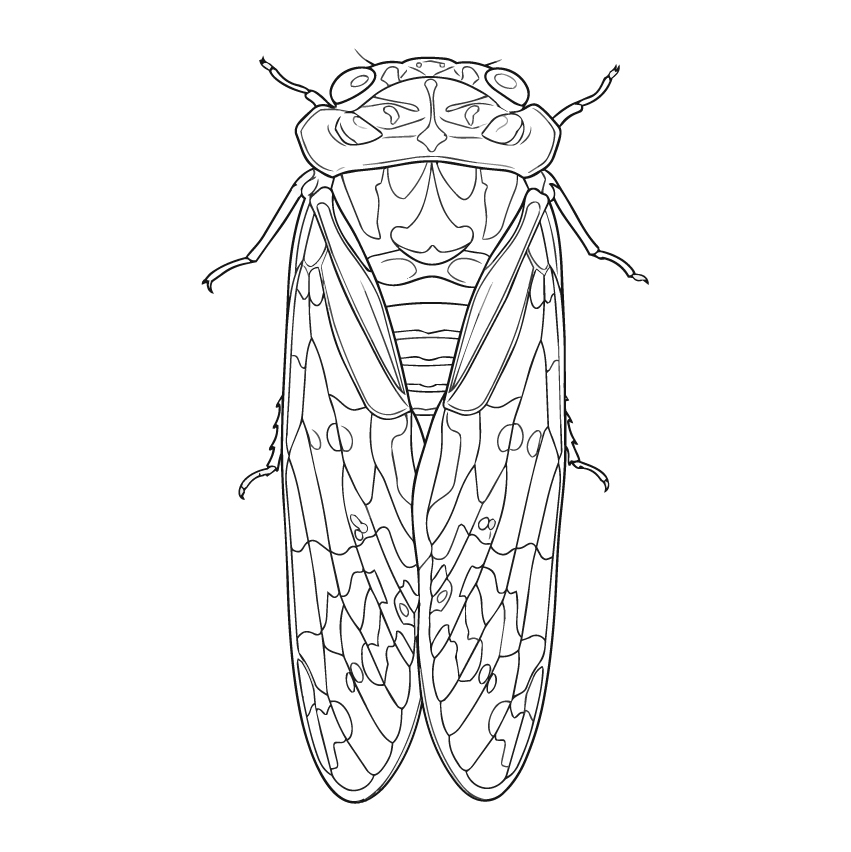
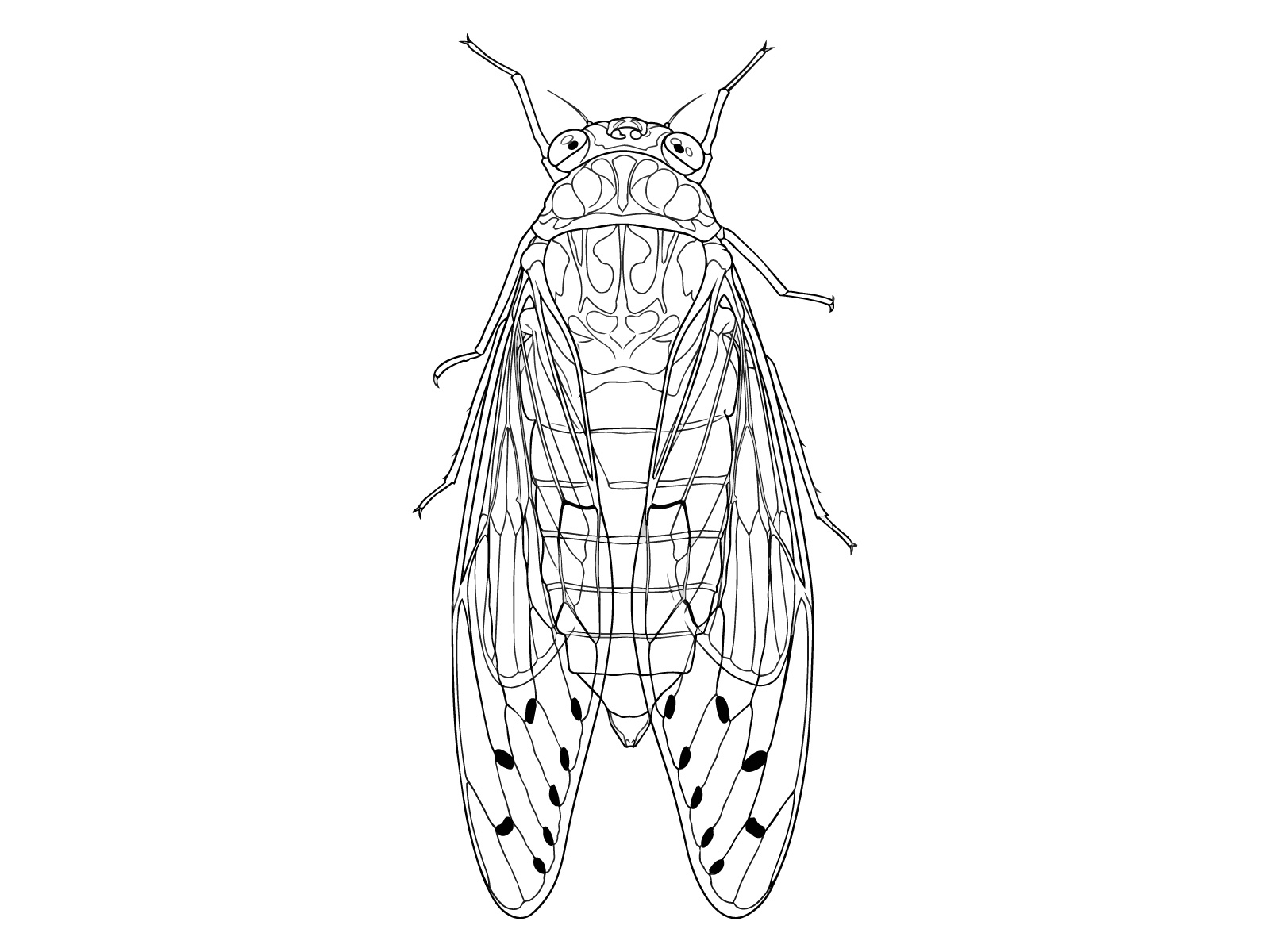
Bear cicada
-
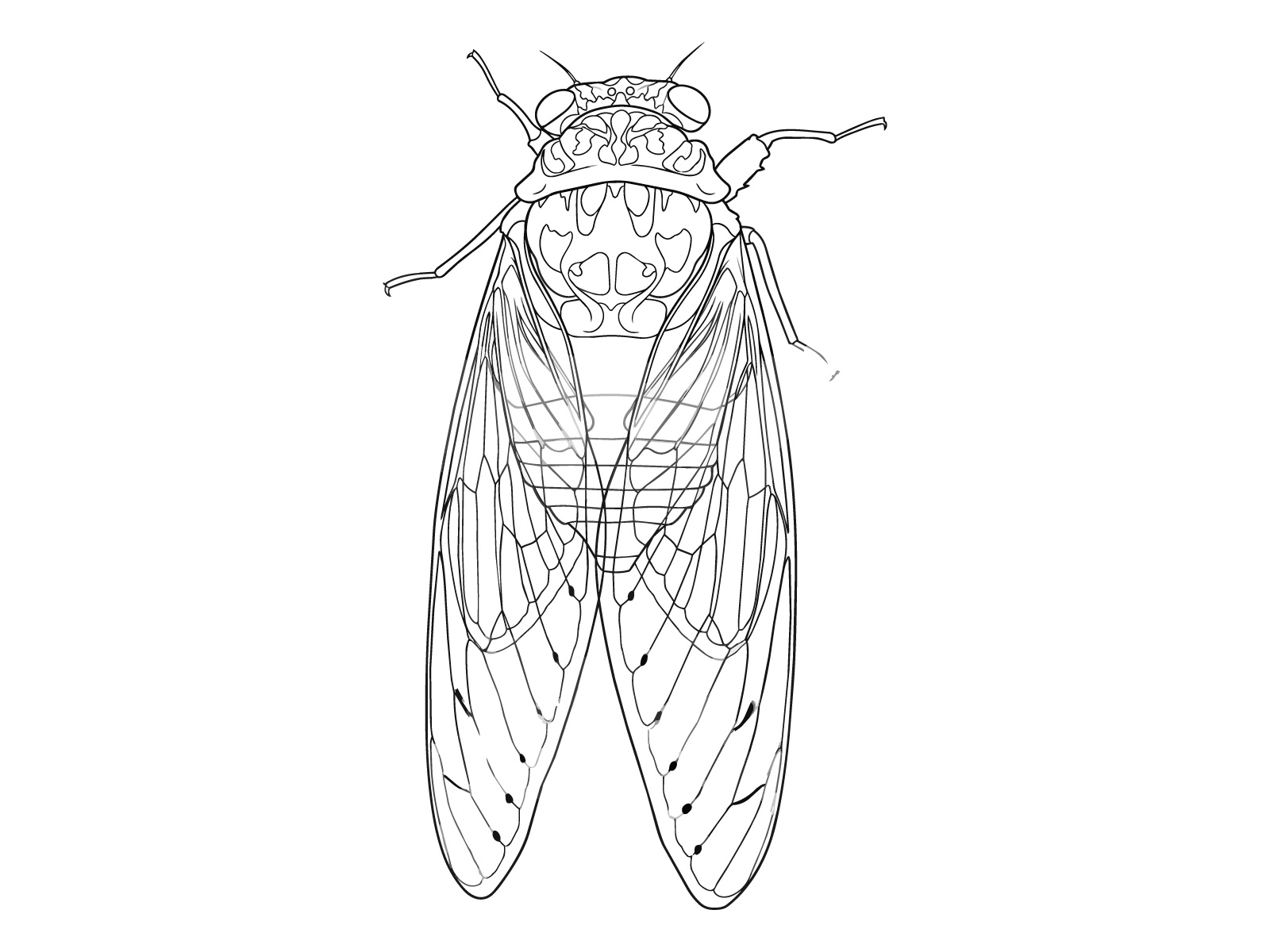
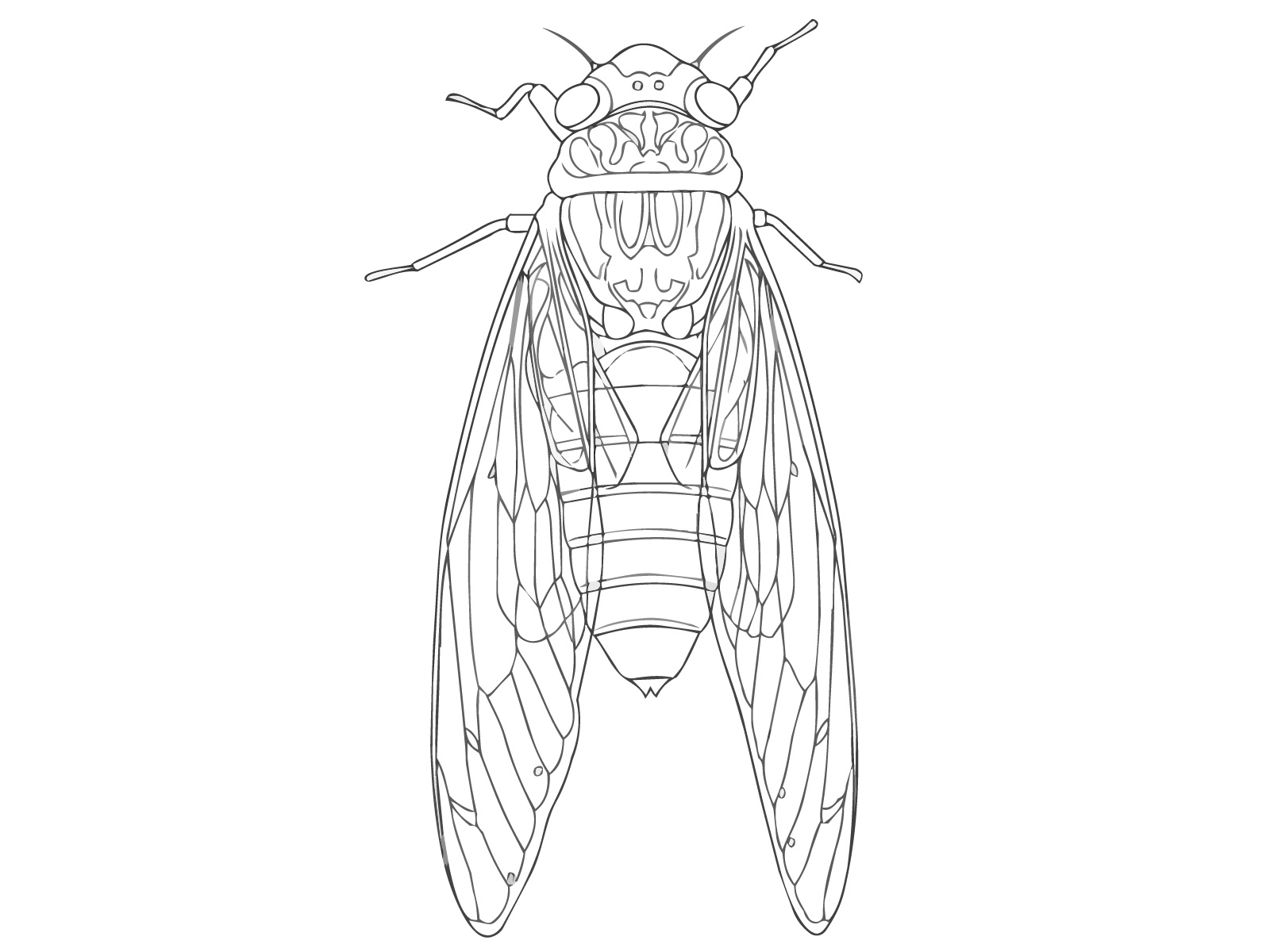
Bear cicada 2
-