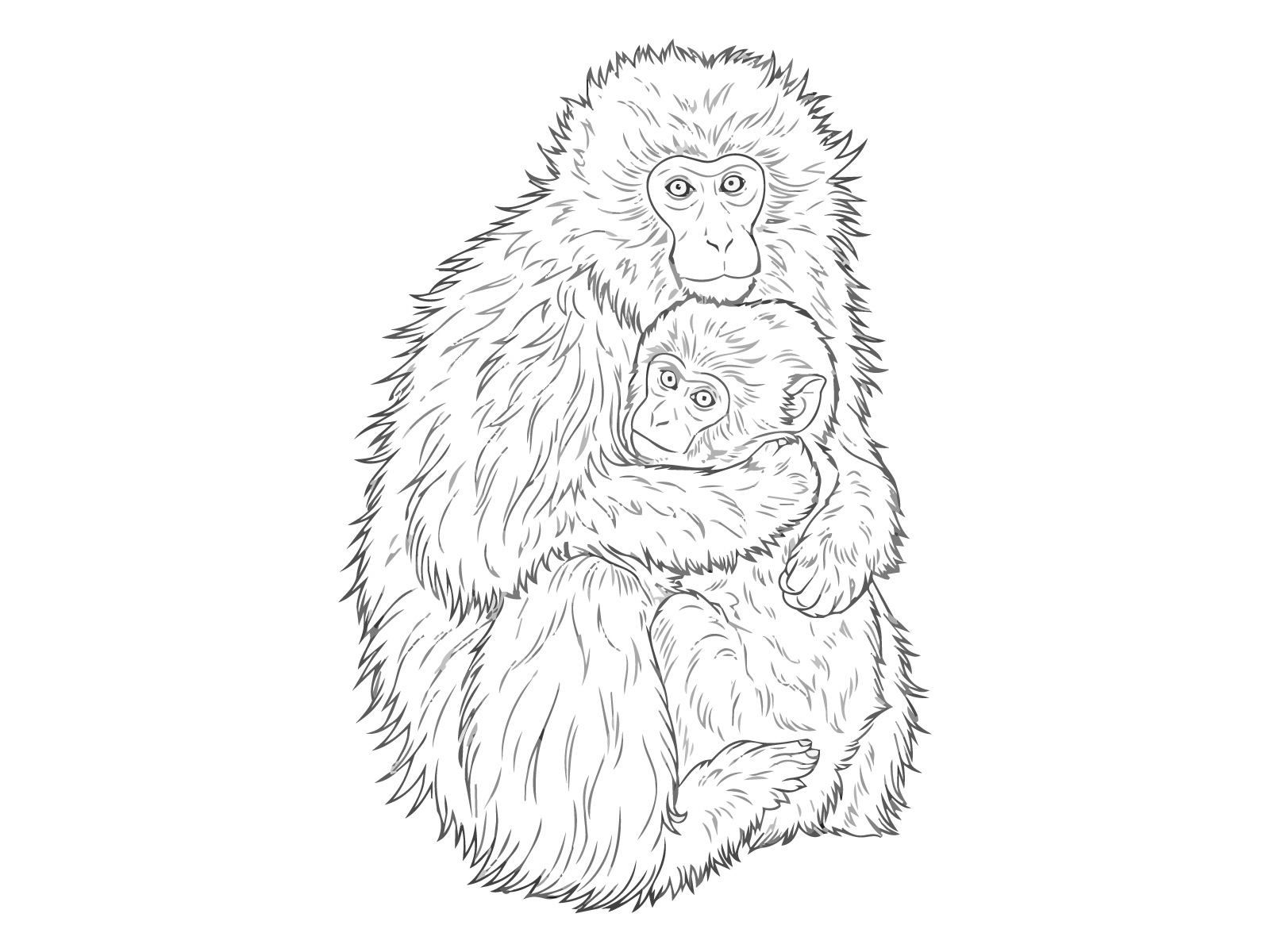
Japanese macaque Coloring Pages
 ~
~ 
About Japanese macaque
The Northernmost Primates! Monkeys of the Far North
The Japanese macaque is a special kind of monkey that only lives in Japan! You can find them in the mountains of Honshu, Shikoku, and Kyushu. The Japanese macaque living in the Shimokita Peninsula of Aomori Prefecture is called the "northernmost monkey." They live further north in the cold than any other monkey or ape besides humans! Researchers and animal fans all over the world are amazed to see them running around happily in a world covered in snow.
Their Name and English Nickname! Why Are They Called Snow Monkeys?
Their name simply means "monkey of Japan." In English, they are called Japanese Macaque. They also have a super cool nickname: Snow Monkey! They got this nickname because they live so strong and tough in the snow. Overseas, people love watching them soak in hot springs in the snow or play with snowballs. Many people visit Japan from all over the world just to see them!
Red Faces and Red Bottoms! The Best Features of the Japanese Macaque
When you think of the Japanese macaque, you think of their bright red faces and bottoms! They look red because they have many blood vessels right under their skin, so the color of their blood shows through. As a Japanese macaque grows into an adult, its face and bottom get even redder. This shows their friends that they are healthy, strong, and ready to become parents! The healthier they feel, the brighter and deeper their red color becomes.
Beating the Cold! Fluffy Winter Fur and Cute Short Tails
The coat of a Japanese macaque changes with the seasons. From autumn to winter, thick and fluffy "winter fur" covers their bodies to help them stay warm in the cold. Also, unlike monkeys that live in warm southern countries, the Japanese macaque has a very short tail! Their tails are only about 7 to 11 centimeters long. A short tail does not get in the way when moving through trees. It also keeps their body heat from escaping into the cold air!
Famous Worldwide! Their Amazing Hot Spring Culture
The Japanese macaque living in places like Jigokudani Yaen-Koen in Nagano Prefecture is famous as the only "hot spring monkey" in the world! To beat the harsh cold of winter, they figured out on their own that soaking in warm hot springs keeps them nice and cozy. Watching them close their eyes and doze off happily in the hot spring is super cute because they look just like humans! Bathing in hot springs is a special culture passed down from mothers to their babies.
Puffing Up Big! The Secret of Cheek Pouches
Inside the mouth of a Japanese macaque, there are special pockets called cheek pouches that can store food. When they find nuts, leaves, or fruit, they quickly stuff as much as they can into their cheek pouches so other monkeys or predators cannot take it. After puffing up both cheeks super big, they move to a safe spot. Then, they cleverly push the food back into their mouth to chew and eat it slowly!
Making Strong Bonds! The Important Role of Grooming
Have you ever seen monkeys sitting side by side, picking at each other's fur? This is called grooming. It is not just about cleaning dirt or bugs to stay clean. Grooming helps them feel calm, make up after a fight, and build strong friendships in their group. Being groomed feels so good that it makes them relax!
Strict Ranks and Leaders! Living Together in a Troop
The Japanese macaque is a very social animal. They live in big groups called troops, ranging from a few monkeys to over 100! The leader of the troop is called the "alpha male." He does not rule the troop with force. Instead, he stops fights between friends and protects everyone from dangerous enemies. The Japanese macaque also has a neat social system where a monkey's rank in the troop depends on the family they were born into!
Smart Enough to Create Culture! Washing Sweet Potatoes and Making Snowballs
The Japanese macaque is super smart! They can copy humans and even invent new tricks on their own. On Koshima Island in Miyazaki Prefecture, a Japanese macaque invented sweet potato washing! They washed given sweet potatoes in seawater to clean off the sand and add a yummy salty taste. This idea spread to their friends and babies, making them famous around the world! People have also seen them making snowballs to play with in winter. They pass down smart ideas from generation to generation!
Big Hugs for Raising Babies! Deep Family Love of Mother Monkeys
When a mother Japanese macaque has a baby, she holds it tight to her chest and takes care of it without ever letting go. Babies have soft pink faces and grow big and strong drinking their mother's milk. When they get a little bigger, they ride on their mother's back to take walks. Their mother teaches them how to climb trees and eat nuts. Sisters and grandmothers in the troop watch over the baby too, helping it grow up surrounded by warm family love!
How to Color Japanese macaque
Choosing Warm Fur Colors and Red for the Face and Bottom
To make your Japanese macaque look real and full of life, finding the right balance between the red face and brown fur is key!
-
Face and Bottom Colors: Try using bright red, vermilion, or coral pink. You can show how old they are by using deep red for grown-ups and a gentle light pink for babies and young monkeys!
-
Fur Color All Over: Lightly color the base with ocher, beige, or light brown. Then, layer a slightly darker dark brown or gray on the back and the top of the head. This gives it a warm, fluffy winter fur look!
-
Tips for Eyes and Nose: Color the cute round eyes with bright brown or yellow, and draw the pupils in the middle clearly in black. Adding a little light gray or dark brown inside the nostrils and along the mouth line will give them a realistic expression!
Tips for Drawing Fur Texture Stroke by Stroke
To show the fluffy yet a bit coarse fur of a Japanese macaque, try changing up how you use your colored pencils!
-
Color Along the Flow of the Fur: Instead of coloring everything in smoothly, sharpen your pencil tip and make quick, short strokes from the head to the neck, and from the back to the bottom!
-
Shading Hands and Feet: The fur on their hands and feet is thinner, so you can often see the gray or brown skin underneath. Gently add some light gray or brown to the tips of their hands and feet to show off how nimble they are!
How to Make Hot Spring Steam and Cold Snow Look Real
When you color a picture of a Japanese macaque in a hot spring, think about the contrast between the hot water, steam, and the snowy scenery around it.
-
Warm Hot Spring and Water: Try coloring the water with a warm pale emerald green or sky blue. Where the monkey sits in the water, its fur gets wet and dark, so adding dark brown or a wet-looking gray right at the water line makes it look super real!
-
Rising Steam and Snow: Here is a pro trick: leave the paper uncolored and white for the wavy steam lines and the snow on the rocks (highlights)! Gently add a tiny bit of light blue or purple only to the shadowy parts of the snow to make a cool contrast between cold snow and warm water!
Using Light and Shadow to Make Hugging Families Look 3D
In pictures of parents and babies hugging or monkeys hanging out together, you can make them pop out by creating depth!
-
Where the Light Hits: Lightly add bright yellow or cream on the rounded tops of their heads, the mother's back, and their knees to show warm sunlight shining on them.
-
Where the Shadows Fall: Layer a slightly darker dark brown or black in the tight spots between mom and baby, under their arms, and where their legs bend. This creates deep shadows that bring out their warm, cozy hug!
Tips for Different Art Tools and Finishing with Your Own Ideas
Use the special features of your art supplies to make your very own Japanese macaque masterpiece!
-
Colored Pencils: By pressing lightly and adding many soft layers, you can create smooth color changes for the skin and fine fur of the Japanese macaque.
-
Crayons and Pastels: Gently patting and smudging with your fingertip makes soft steam and fluffy winter fur super easy to draw!
-
Express Yourself Freely!: It is totally okay if you do not use real colors! Have fun using your own imagination, like making a "Super Monkey with Rainbow Fur" or a "Golden Monkey in a Hot Spring." If you draw ripe red persimmons or red maple leaves in the background, it will feel even more like Japanese autumn or winter and bring your picture to life!
Fun Facts About Japanese macaque
18 Different Expressions! Rich Feelings Like Ours
The Japanese macaque is an animal that shows a lot of feelings. They do not just show when they are happy or angry. They also make a "friendly smile" face to tell stronger monkeys that they are not a threat. They also make happy faces when playing together. They use as many as 18 different facial expressions to talk with their friends.
Why Their Faces and Bottoms Are Red, and Their "Sitting Pads"
The face and bottom of a Japanese macaque look red because many tiny blood vessels run right under their skin. It is an important signal to share their feelings and health with each other. Also, they have hard pads on their bottoms. These let them sit on bumpy tree branches or rocks without any pain.
"Cheek Pouches" to Store Food
Inside the mouth of a Japanese macaque, there are handy pouches called "cheek pouches" that can hold food for a little while. They can quickly stuff food they find into these pouches, carry it to a safe place, and then push it out with their hands to enjoy eating it slowly.
High Intelligence to Copy Humans
Japanese macaques are very smart. They can learn by watching what humans do. They are clever enough to think and adapt on their own. For example, they wash their food with water before eating, and they can tell which group has more items.
The "Snow Monkey" Living Farthest North in the World
Except for humans, the Japanese macaque is the type of monkey that lives the farthest north in cold areas. To get through harsh, snowy winters, they grow long winter fur. In places like Nagano, they even soak in hot springs to warm up. People all over the world know them as "Snow Monkeys."
Share These Japanese macaque Coloring Pages


-
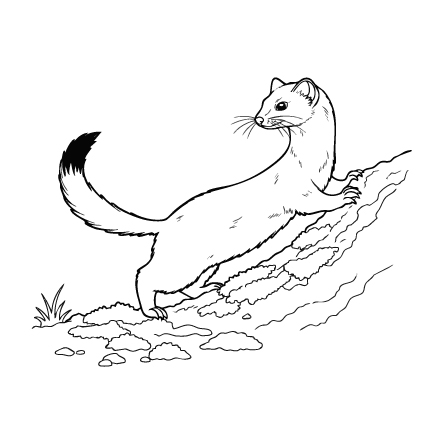
Japanese macaque
-
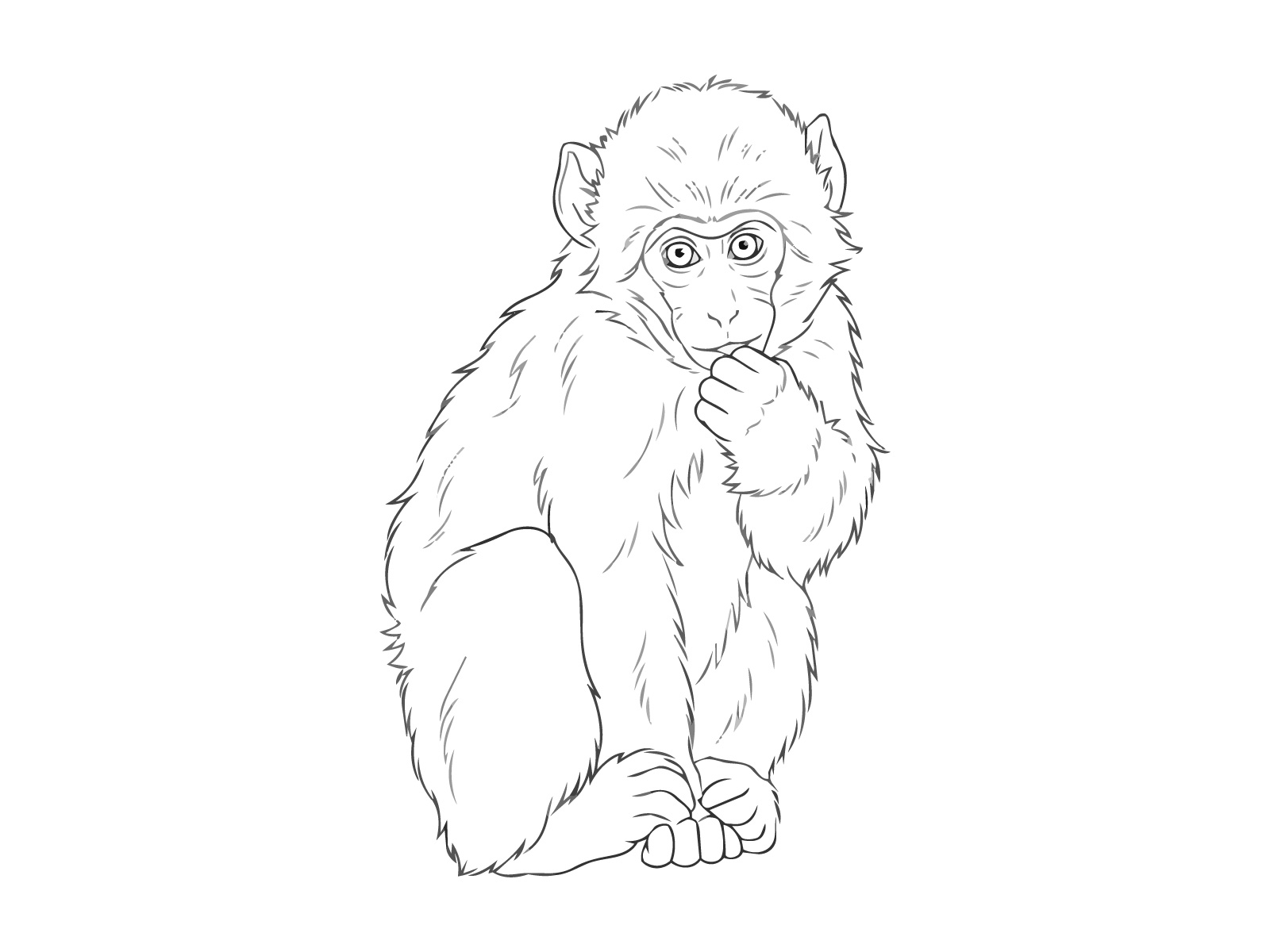
Japanese macaque baby
-
-
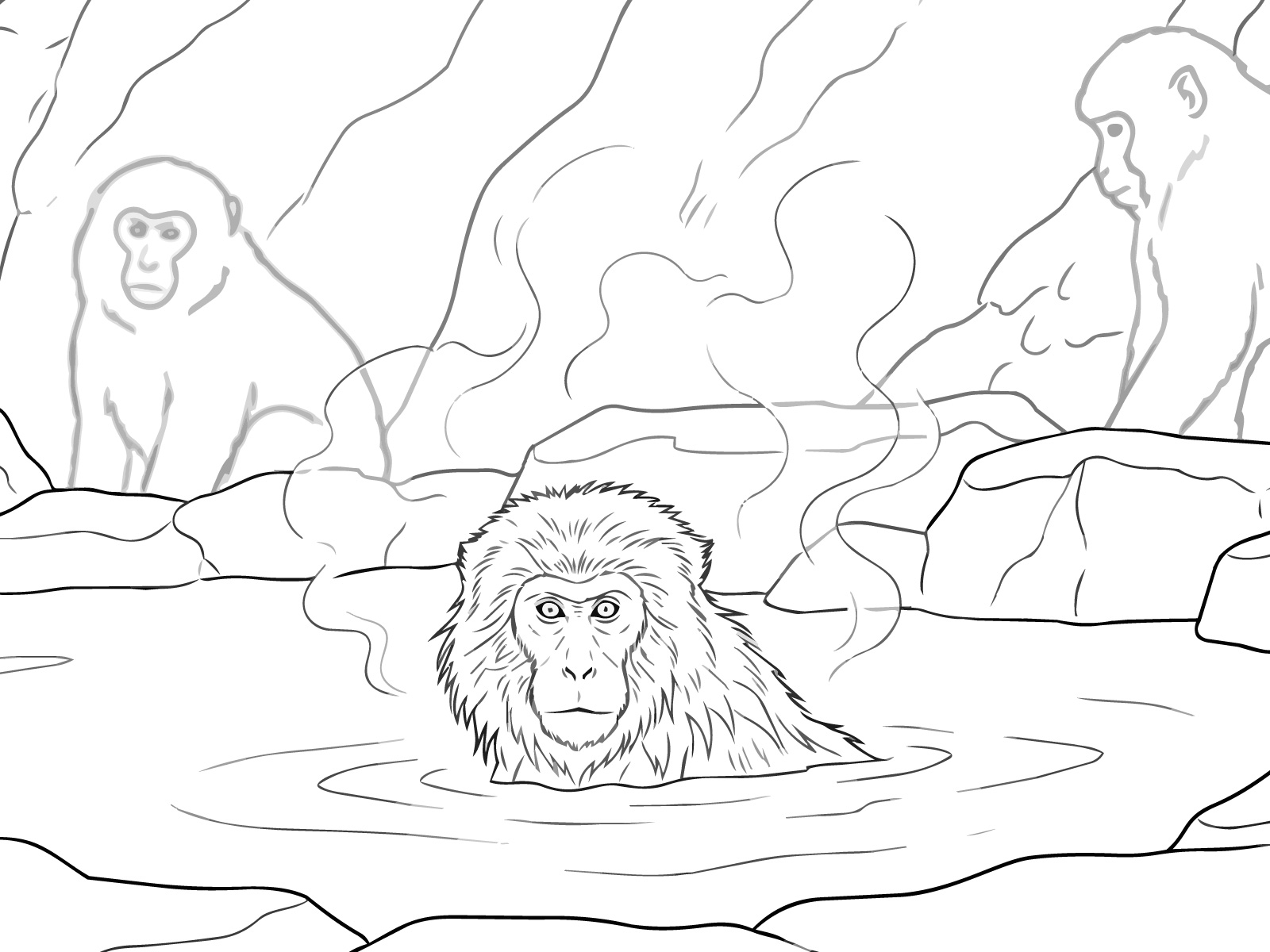
Japanese Macaque Hot Spring
-