Swan Coloring Pages
 ~
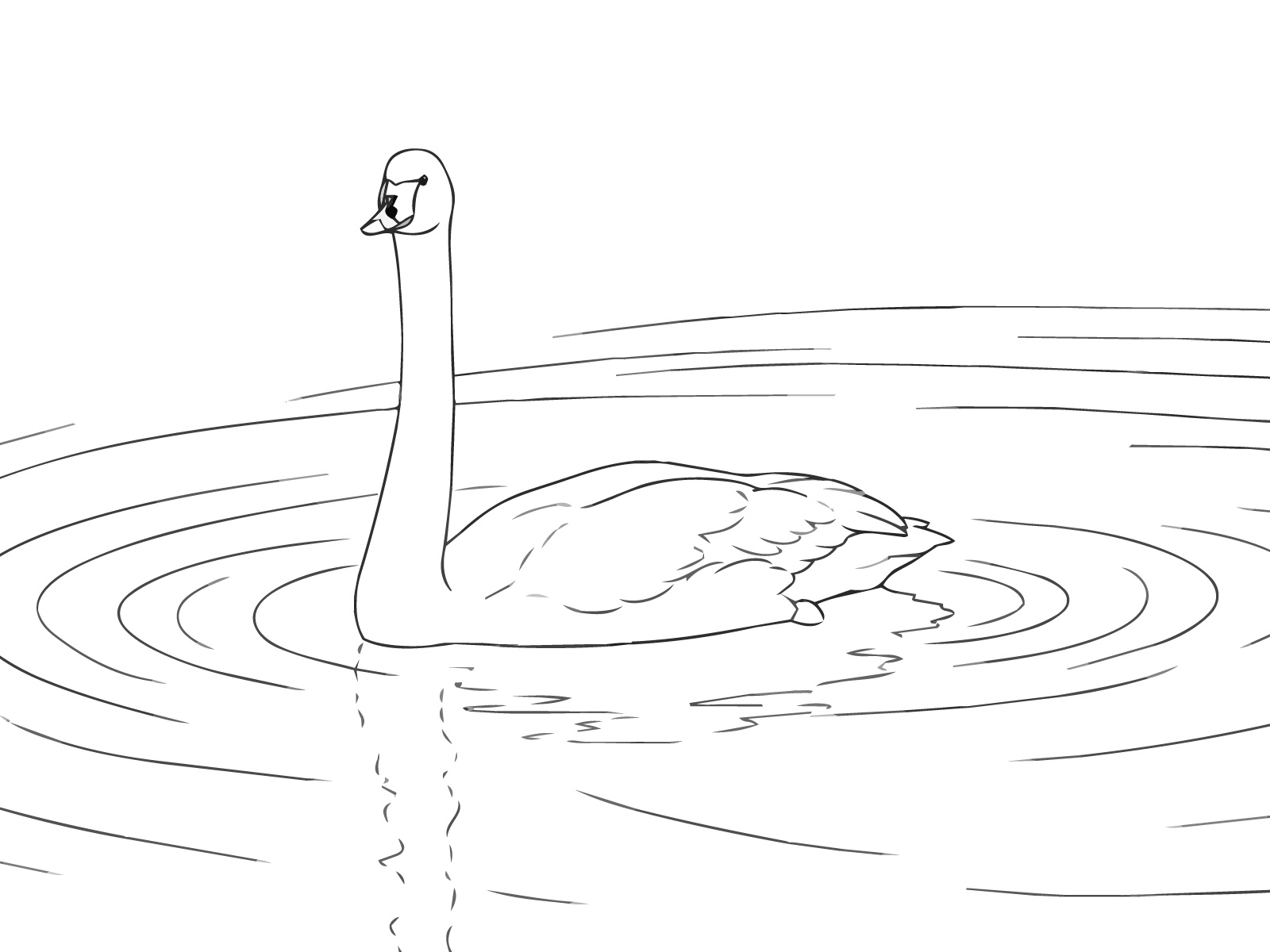
~ 
About Swan
Big, White Water Birds! What Is the Swan?
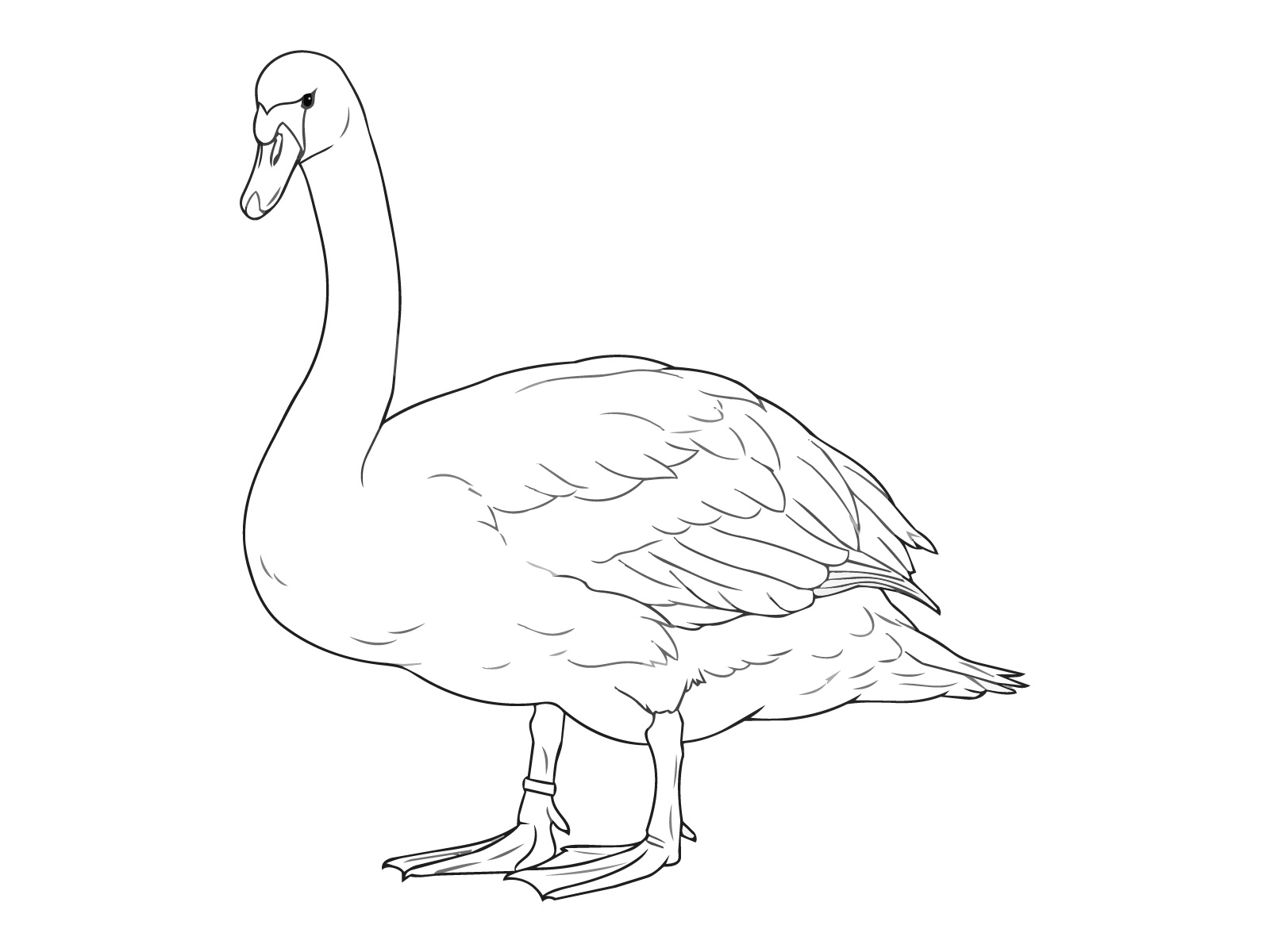
The Swan is a huge water bird. It lives near lakes, ponds, and big rivers. It spreads its pure white feathers and swims so nicely. It looks like a princess in a fairy tale! People all over the world love the Swan. It is in the same group as ducks and geese. But the Swan is the biggest and heaviest bird of them all.
Name Origin and English Name! Secrets of the Name
The Japanese name for the Swan means "white bird." A long time ago, people called it names like "Kuchihiro" or "Tazu." In English, it is called a Swan. The origin of the word "Swan" includes meanings like singing or making a sweet sound with its voice.
Flying Thousands of Miles! A Big Migratory Adventure
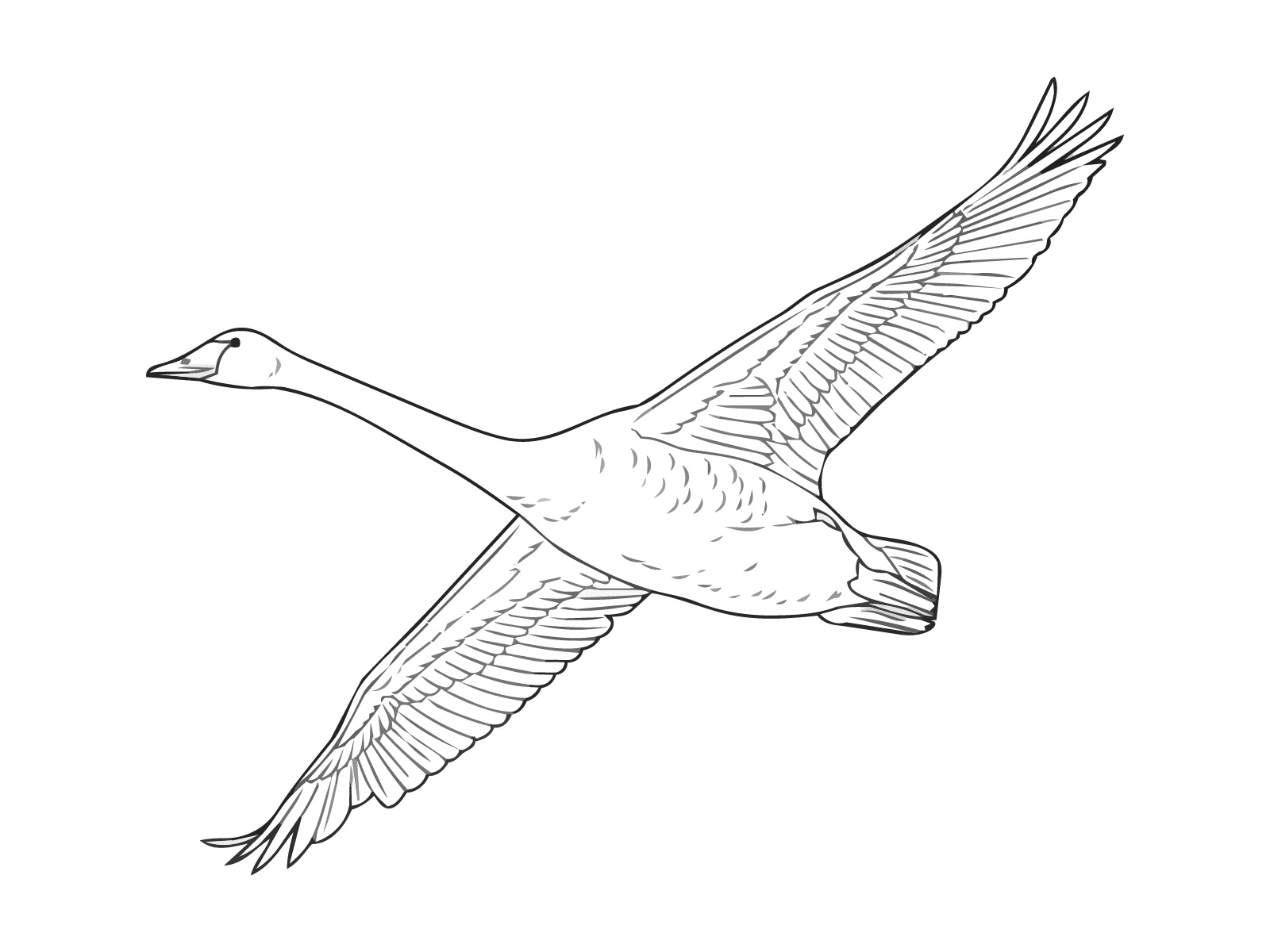
The Swan is a migratory bird. It moves to new places when the seasons change. In autumn, it flies all the way to warm Japan. It starts from cold Siberia or the Arctic. It flies a long and hard journey of about 1,800 to 3,100 miles! After staying in Japan for the winter, it flies back north in spring to lay eggs and raise its babies.
Six Feet Wide with Wings Spread! An Amazing Body
The body of the Swan is much bigger and stronger than you might think!
Spot the Yellow and Black! Beak Patterns
The coolest thing on a Swan's face is its bright beak pattern. The main types of the Swan that visit Japan are the Whooper Swan and the Tundra Swan. You can tell them apart by looking at the yellow part on their beaks! The Whooper Swan has a long, pointy yellow shape. The Tundra Swan has a smaller, rounder yellow shape.
The Secret of the Long Neck! Scooping Up Treats
The neck of the Swan is very long and curves like an "S" shape. It has more than 20 bones in its neck! Humans only have 7. That means the Swan can bend its neck much better. It dips its long neck deep into the water and sticks its tail up in the air. Then it digs up water plants, roots, and stems from the bottom to eat!
Gray Babies?! The Truth About the Ugly Duckling
You might know the story of "The Ugly Duckling." A baby Swan is not white when it is born! Fluffy gray feathers cover its whole body. Its legs and beak look dark, too. Young Swans that arrive in Japan in autumn are still light gray. As they grow up, they get the bright white feathers you love!
Mute Swans and Wild Swans
Have you ever seen a Swan at a park or a big pond all year long? That is a "Mute Swan." People brought it from Europe! It has a pretty orange beak with a big black bump on top. The Mute Swan stays at the same pond all year. It does not fly far away for different seasons. It lives a bit differently than wild Swans.
Deep Love! Partners for Life
The Swan is famous for staying with the same partner for its whole life. A mother and father stay together forever. They travel and swim in groups with their kids and family. When two Swans face each other and bend their necks, they make a pretty heart shape! People love this shape because it shows their strong love.
Engine for Flying! Strong Chest Muscles
The Swan has very strong chest muscles. These muscles help its heavy body fly for thousands of miles! You can see its round, big chest just by looking at it. Its wings make a loud sound as they push the air. The Swan can fly through the sky as fast as 30 to 50 miles per hour!
How to Color Swan
Coloring White Feathers! How to Use Light and Shadows
Basic Feather Colors: Swan feathers are pure white. If you add shadows instead of leaving them plain, Swan will look real!
Overlapping Feathers: Let's show how the feathers layer on top of each other.
Beak and Feet Colors! Tips for Each Kind
Bright Beak Colors: Swan has a bright yellow and black beak that really stands out.
Strong Webbed Feet: Here is how to color Swan's grand feet for swimming on the water.
How to Draw Sparkling Water and Ripples
Water Color Blends: Color the water nicely where Swan swims, and your whole picture will look great!
Reflections on the Water: Try drawing Swan's shadow reflected in the water.
Flying High and Coloring Big Wings
Powerful Flapping Wings: Here are tips for coloring a picture of Swan flying high in the sky.
Sky Colors: Learn how to color the background to make Swan look wonderful in the sky.
Art Supply Tips and Fun Background Ideas
Art Supply Tips: Here are tricks for the coloring tools you are using.
Fun Coloring Tips: Finish your coloring page with your own fun ideas!
Fun Facts About Swan
Migratory birds that fly thousands of kilometers
Swan is a "migratory bird." In autumn, they fly long distances over thousands of kilometers from cold northern lands like Siberia to Japan. After spending a warm time in Japan, they fly back to the northern lands in spring to lay eggs and raise their babies.
Baby feathers are gray!
Just like in the famous fairy tale "The Ugly Duckling," newly born Swan chicks are not pure white. They have fluffy gray or light brown feathers. As they grow into adults, their feathers slowly grow into bright and beautiful pure white feathers.
Best friends forever! Deep family bonds
Swan is known to care a lot about family. Once they become partners, they often stay together with the same partner for life. Male and female Swans help each other warm the eggs. They live happily together while protecting their babies.
The energy-saving secret of flying in a "V" shape
When flying long distances, Swans fly in a "V" shape in the sky. The Swan at the front creates air currents. The friends behind use this air flow. It is a smart trick that lets them fly far while saving energy.
Long necks and eating under the water
Swan's long neck looks graceful, and it helps them eat food! As they float on top of the water, they stretch their long necks deep underwater like a straw. This helps them eat their favorite water plants and roots growing at the bottom.
Share These Swan Coloring Pages


-
Swan
-
Swan 2
-
-
Swan 3
-