Kagami Biraki (Breaking the New Year Rice Cake) Coloring Pages
 ~
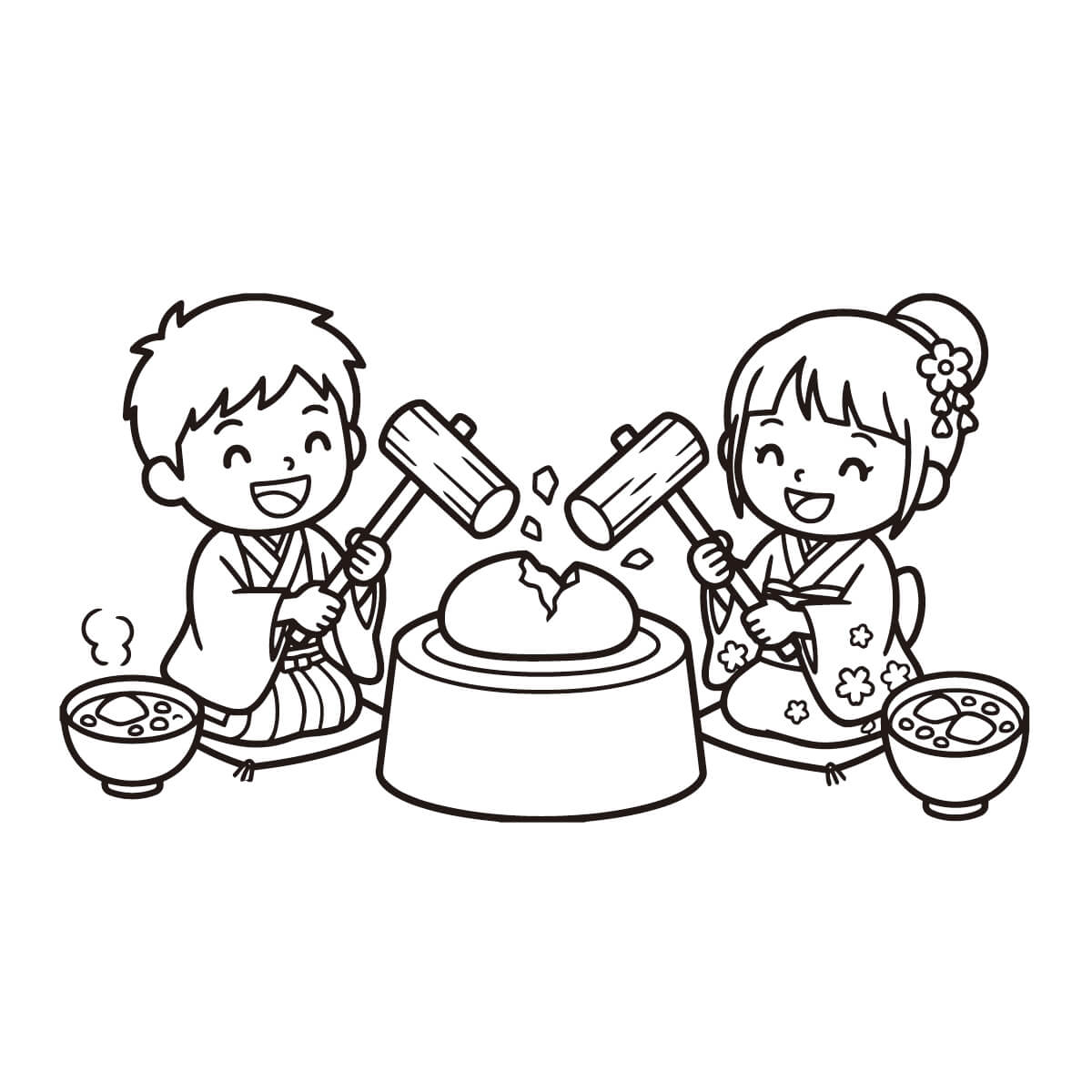
~ 
About Kagami Biraki (Breaking the New Year Rice Cake)
Saying Goodbye to the Gods and Wishing for Happiness! Kagami Biraki (Breaking the New Year Rice Cake)
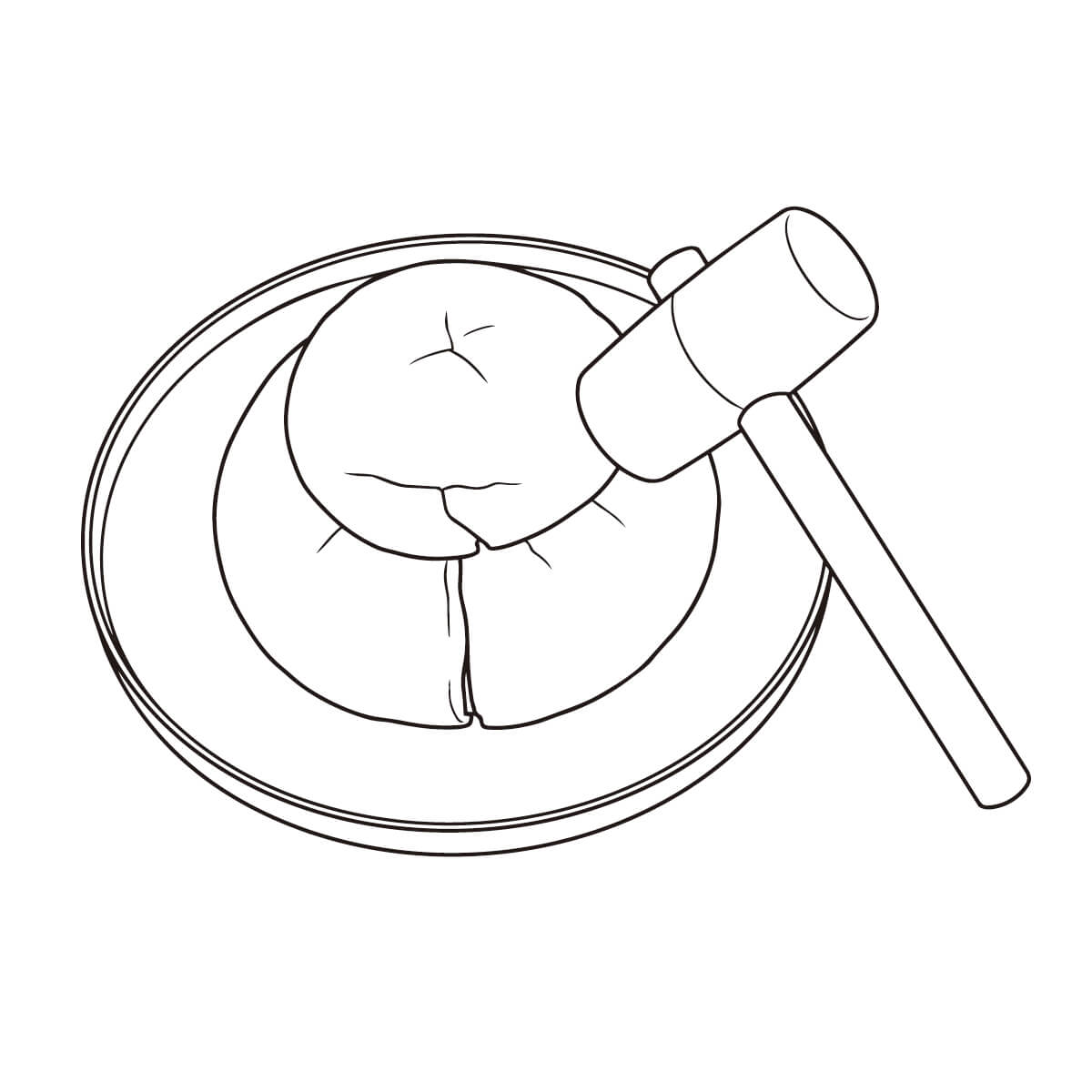
Kagami Biraki (Breaking the New Year Rice Cake) is a traditional Japanese event where you take down the "Kagami Mochi" you decorated during New Year's and eat it together. People believe that a god named "Toshigami-sama" visits everyone's house at New Year's, and Kagami Mochi is where that god stays. By eating the rice cakes after saying goodbye to the god, it has an important meaning of wishing for good health and happiness in the new year.
The Shape and Decorations of Kagami Mochi
There are many reasons why Kagami Mochi is shaped the way it is.
- The Round Shape: The round shape of Kagami Mochi is made to look like old bronze mirrors. People long ago thought mirrors were sacred things where spirits stayed.
- Why Two Are Stacked: The two big and small rice cakes are stacked together to show the sun and moon, or to wish that you "grow older happily together."
- The "Daidai" Fruit on Top: The fruit that looks like a mandarin orange on the very top is called "Daidai." It is used as a lucky charm because its name sounds like the Japanese word for "from generation to generation," wishing for your family to thrive forever.
When and How Do You Eat It?
Kagami Biraki (Breaking the New Year Rice Cake) is usually held on January 11th (though some areas do it on January 15th or 20th). The decorated rice cakes get dry and hard, so you make them soft by putting them in Ozoni soup or Oshiruko (sweet red bean soup) and eat them with your whole family. The rule is to eat every single piece without leaving any behind! Eating the rice cake where a god stayed means you are bringing that special power inside your body.
Why Is There a "Vacuum Pack" Inside Kagami Mochi?
Many Kagami Mochi these days have small rice cakes inside a plastic case, right? That is because traditional rice cakes would dry out and crack while decorated, or easily grow mold if the room was warm. It is a clever modern idea to "keep it clean while the god stays inside."
How to Color Kagami Biraki (Breaking the New Year Rice Cake)
When you color the Kagami Biraki (Breaking the New Year Rice Cake) coloring page, try to make it feel like a happy New Year celebration!
- Make the rice cake look nice and white: Rice cakes are pure white, but if you leave them totally blank, they look flat. Try adding a little light blue or gray for shadows where the cakes overlap and at the bottom. This makes the rice cakes look soft and round! In Kanazawa (Ishikawa Prefecture), Kagami Biraki (Breaking the New Year Rice Cake) uses red and white rice cakes. You can color the top cake light pink and the bottom cake white!
- The orange on top: Color the Bitter Orange on top with a bright orange. If it has a leaf, color it deep green. It makes a cool accent!
- The display stand (Sanpo): The wooden stand under the rice cakes is called a Sanpo. We recommend coloring it brown or light beige so it looks like warm wood.
- Background ideas: You can paste shiny gold origami paper in the background, or draw sparkling yellow patterns. It will make your coloring page look grand and ready to welcome the gods!
Techniques to make it look yummy
If you color a scene with people eating rice cakes, try drawing extra lines to show the rice cakes stretching! It looks so fun!
- Sweet red bean soup colors: For sweet red bean soup, color the soup dark brown or reddish-purple. Draw white steam with a white crayon to make it look hot and cozy!
- Ozoni soup ingredients: For Ozoni soup, use lots of fun colors! Green for spinach, pink for fish cake, and light brown for chicken will make it look so yummy!
Fun Facts About Kagami Biraki (Breaking the New Year Rice Cake)
Why We Say "Open" Instead of "Cut"
When you make the Kagami Biraki (Breaking the New Year Rice Cake) smaller, you should not use knives or blades. Long ago, in the time of the samurai, the word "cut" reminded people of cutting their tummies, so they thought it was bad luck. That is why people use a wooden mallet to break it instead of cutting it with a knife. Also, the word "break" is bad luck too! So, people started using the word "open" because it brings good luck and happiness for the future. By the way, it is okay to cut the plastic bags or containers on the outside!
Bitter Oranges Can Stay on the Tree for Years
The bitter orange fruit on top of the Kagami Biraki (Breaking the New Year Rice Cake) does not drop easily from the tree. Even when new fruit grows, the old fruit can stay right on the tree. Because fruits from many generations stay on the same tree, it means "from generation to generation." That is why people use it to wish for a big, happy family for a long time.
Wishing for Good Health Called "Hagatame"
A long time ago, people also called Kagami Biraki (Breaking the New Year Rice Cake) "Hagatame," which means making your teeth strong. Eating hard rice cakes makes your teeth strong. It carries a wish so you can enjoy eating delicious food all your life and live a long, healthy life!
Share These Kagami Biraki (Breaking the New Year Rice Cake) Coloring Pages


More Winter Events Coloring Pages
-
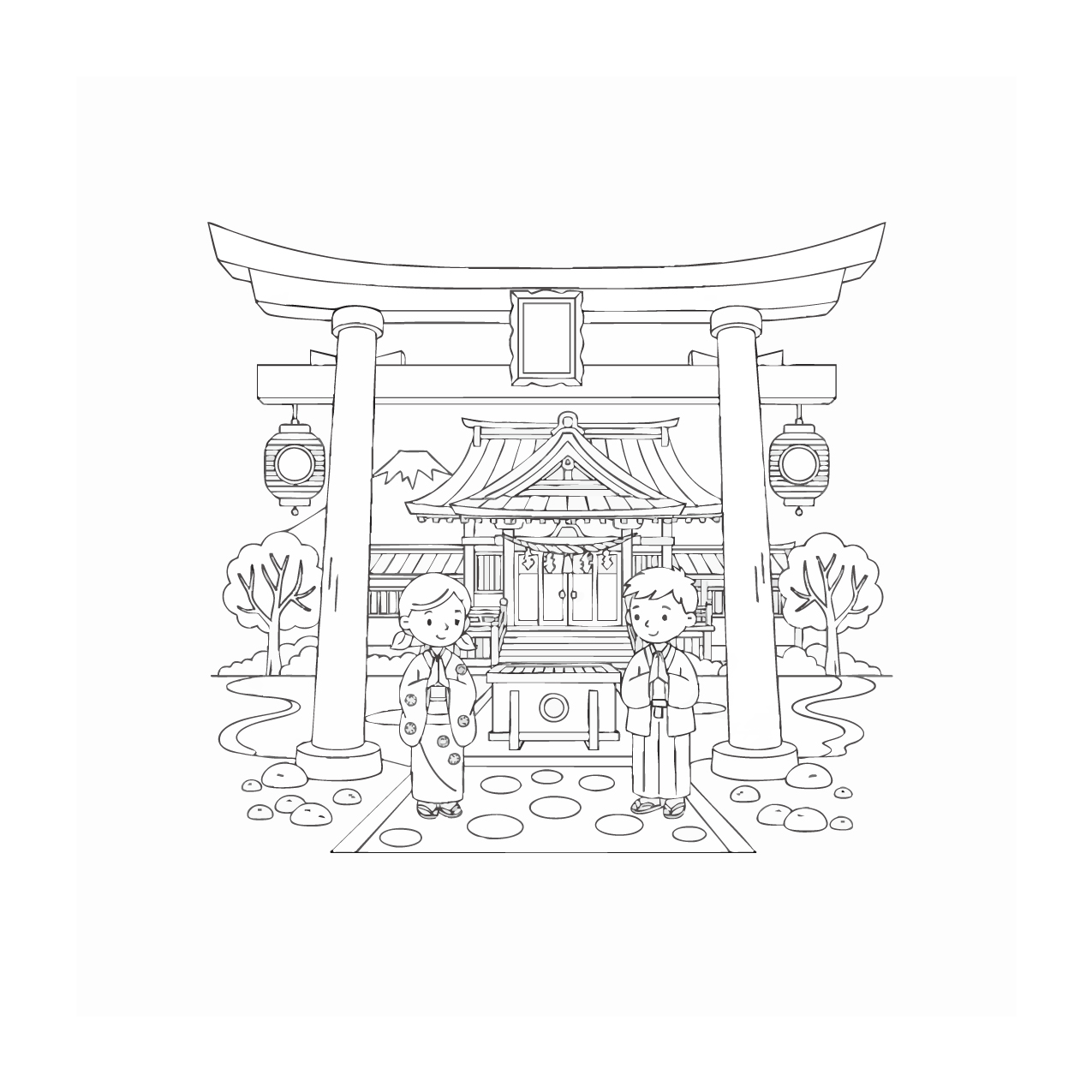
Hatsumode (First Shrine Visit of the Year)
Difficulty:~ -
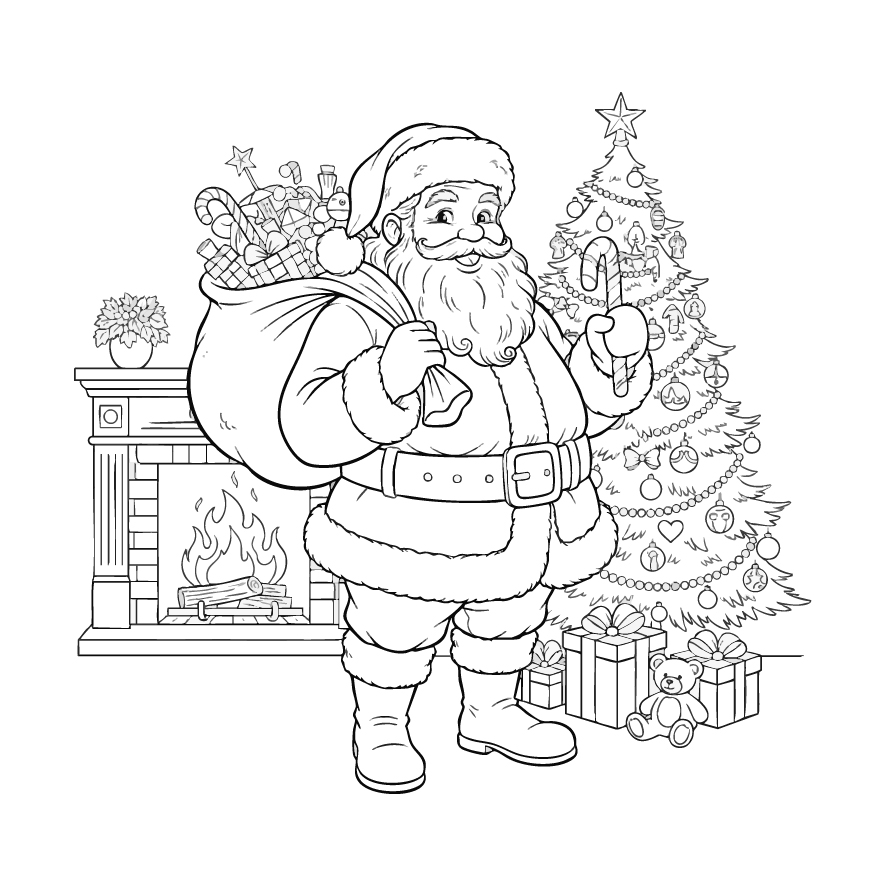
Christmas
Difficulty:~ -
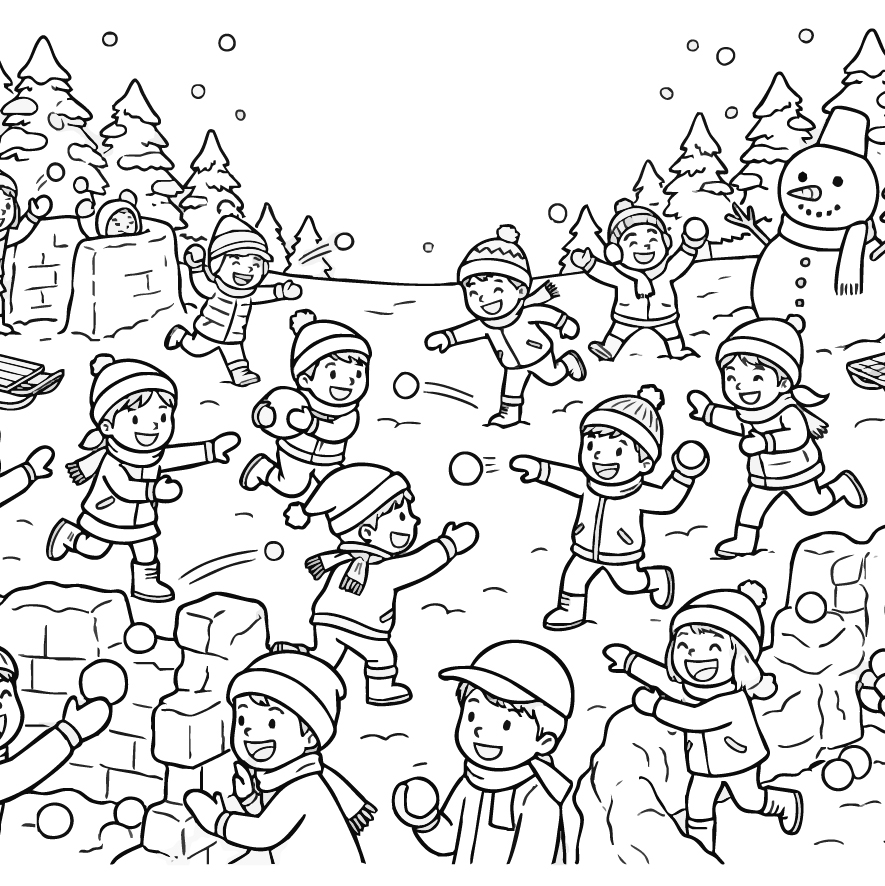
Snowball fight
Difficulty:~ -

Valentine's Day
Difficulty: -
Setsubun (Bean-Throwing Festival)
Difficulty:~ -
Nanakusa-gayu (Seven Herb Rice Porridge)
Difficulty:~ -
Snowboarding
Difficulty:~ -
Mochitsuki (Rice Cake Pounding)
Difficulty:
-
Kagami Biraki (for Young Children)
-
Kagami Biraki (Simple)
-